작성자:
Iros
- 공유 링크 만들기
- X
- 이메일
- 기타 앱
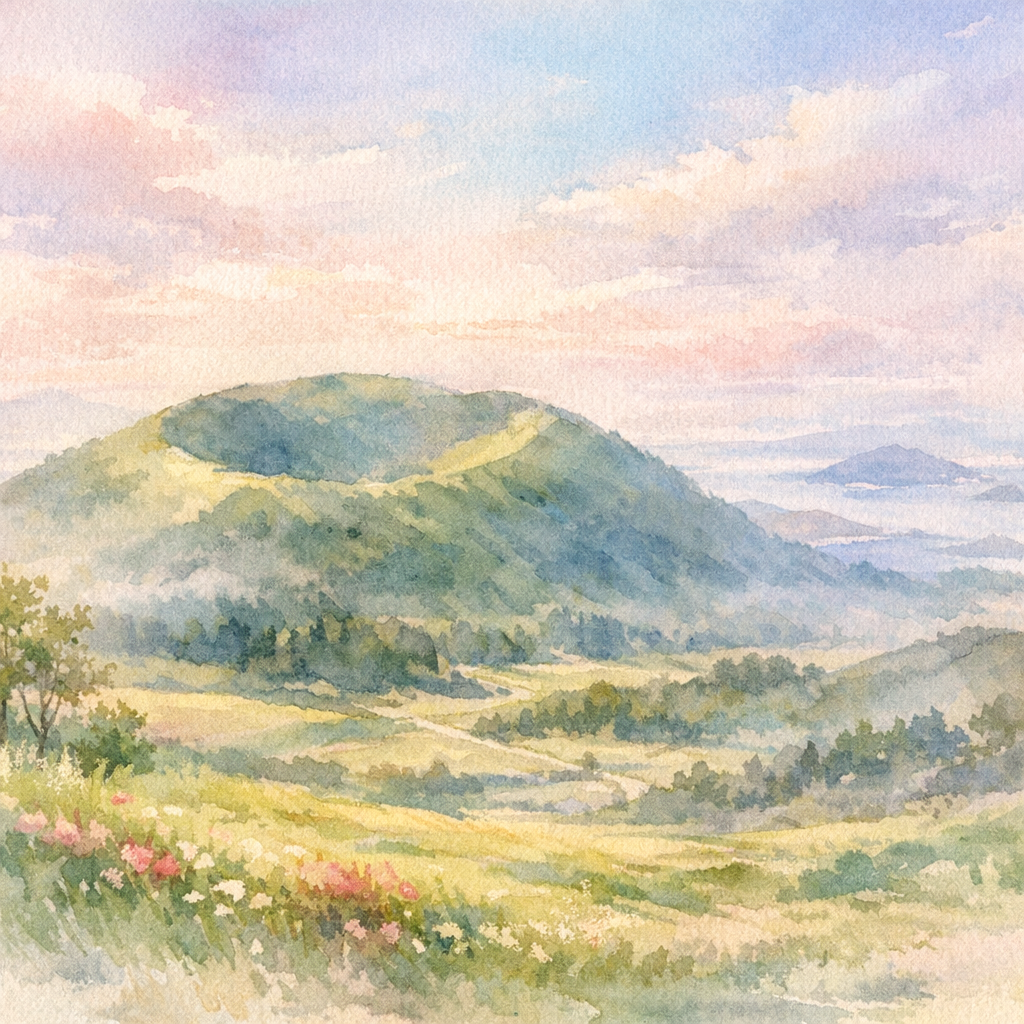
Alright, let me say this like I would to a friend over coffee: if you’re going to Jeju and your whole plan is just Seongsan Ilchulbong, Hallasan, and a quick beach photo, you might be missing one of the island’s quieter, stranger, and honestly more memorable places. I’m talking about Geomun Oreum.
It’s not the kind of place that screams for attention. No giant neon signs, no massive souvenir streets, no dramatic “everyone must take a selfie here” platform. And maybe that’s why I liked it so much. As a 40-something IT office worker who spends too many hours staring at dashboards, emails, and tiny blinking notifications, I have a soft spot for places that make my brain go silent for a while. Geomun Oreum in Jeju did exactly that.
There’s something a little cinematic about it too. Not in a flashy way. More like that slow, misty, emotional scene in a Korean drama where nobody says much, but somehow you feel everything. If you love K-drama-style landscapes, moody forests, volcanic paths, and that “healing trip” mood you often see in Korean variety shows and music videos, this place is absolutely worth your time.
So, quick Jeju vocabulary lesson. An oreum is a small volcanic cone, and Jeju has loads of them scattered across the island. Some are easy little hills, some feel more like proper hikes, and some are protected because they’re geologically important. Geomun Oreum is one of the special ones.
It’s part of the Jeju Volcanic Island and Lava Tubes UNESCO World Heritage Site, which already tells you this is not just another pretty walking trail. The oreum is closely connected to Jeju’s lava tube system, including famous places like Manjanggul Cave. Basically, this whole area is like a living geology textbook, except much better because you’re not stuck in a classroom under fluorescent lights.
The name “Geomun” is often linked with the idea of “black” or dark volcanic features, and once you walk through the area, it makes sense. You’ll see dark volcanic soil, rugged rocks, dense forest, and shadows that shift as the clouds move. It feels old. Not old like a museum display, but old like the ground itself remembers things.
And honestly, that mood is the charm. Some Jeju attractions are beautiful because they’re wide open and dramatic. Geomun Oreum is beautiful because it pulls you inward. You walk, you breathe, you hear your shoes on the trail, and then suddenly you realize you haven’t checked your phone for 30 minutes. For me, that alone is almost a miracle.
Let’s be real. Not every meaningful Korean travel spot needs to have a giant sign saying “BTS stood here” or “this exact bench appeared in episode 12.” Sometimes the connection is more about the mood. And Geomun Oreum has that mood in buckets.
If you’ve watched enough Korean dramas filmed in Jeju, you know the island has a certain visual language. Wind. Stone walls. Quiet roads. Lonely trees. Soft light. A character walking somewhere with unresolved feelings. You know the vibe, right? Geomun Oreum fits right into that world, especially when the mist comes in or when the sunlight slips through the forest in thin little lines.
I wouldn’t oversell it by pretending every famous drama scene was shot here. That’s how travel blogs get weird, and honestly, it annoys me a bit. But what I can say is this: if you’re into the visual atmosphere of Korean dramas, especially the quiet “healing” kind, Geomun Oreum feels like a real-life filming location. It has that calm, slightly mysterious energy that Korean directors love.
K-pop fans might get it even faster. Think of those softer music video scenes where an idol is walking through a forest, looking thoughtful, maybe wearing a long coat, maybe the wind is doing half the acting. Groups like BTS, IU, SEVENTEEN, and many others have used nature-heavy visuals to create that emotional, reflective feeling. Geomun Oreum has the same texture.
No, it’s not a loud fan pilgrimage spot. And personally, I think that’s a good thing. It’s more like a place where you can bring your headphones, play your favorite Korean playlist, and just walk. Not everything has to be a checklist item. Sometimes a place becomes meaningful because you attach your own soundtrack to it.
When I visited, I saw a small group of young travelers taking photos near one of the forested sections. They weren’t being annoying or blocking the trail, just laughing quietly and trying to get that album-cover kind of shot. I totally understood. The place does that to you. Even my boring office-worker phone photos came out weirdly dramatic.
Now, about the hike. I’m going to be honest because I hate when people say “easy walk” and then you end up questioning your life halfway up a hill. The Geomun Oreum trail is manageable, but it’s still a trail. You’ll walk on wooden paths, forest tracks, steps, and some slopes that will remind your thighs that you have been sitting at a desk for years.
The main walking course usually takes around 1.5 to 2 hours depending on your pace, photo habits, and how often you stop to pretend you’re admiring nature when actually you’re catching your breath. No judgment. I did that too.
What I liked is that the trail doesn’t feel repetitive. One moment you’re under thick trees, then you’re looking at volcanic shapes, then the path opens slightly and you get that Jeju wind coming through. It’s not a dramatic peak-climbing experience like Hallasan, but it’s more layered than a simple park walk.
I made one very classic mistake: I wore jeans. Don’t do that. Halfway through, the weather shifted, the wind picked up, and I had that very specific regret only middle-aged men in denim on hiking trails understand. Wear comfortable walking shoes, bring a light windbreaker, and don’t trust Jeju weather just because the morning looks friendly.
Also, bring water. It sounds obvious, but the entrance area can make you feel like everything is close and easy, then suddenly you’re deeper into the trail and thinking about convenience stores with emotional intensity. I usually carry a small backpack with water, a light snack, and a power bank. IT guy habit, maybe, but it has saved me more than once.
Here’s the thing many foreign visitors miss: Geomun Oreum is a protected UNESCO area, so access may be managed more strictly than ordinary tourist spots. Depending on the season and current rules, you may need to make a reservation in advance or join a guided entry system.
Please check the official Jeju tourism website or the Geomun Oreum visitor information before you go. I know, checking rules before travel is not the romantic part. But showing up and being told you can’t enter? That is much less romantic.
If you don’t speak Korean, ask your hotel staff to help confirm the reservation process. Most Jeju hotel staff are used to this kind of request, and they’re usually kind about it. If you’re renting a car, save the Korean name “거문오름” in your navigation app. It makes life easier, especially because English spellings can vary a little from map to map.
Jeju is beautiful, but public transportation can test your inner peace. You can reach Geomun Oreum by bus, but depending on where you’re staying, it may take time and a transfer or two. If you’re based in Jeju City, it’s more doable. If you’re coming from Seogwipo, plan more carefully.
This is the easiest option, especially if you’re traveling with friends or family. Jeju roads are generally comfortable, and driving gives you freedom to add nearby stops like cafés, small villages, or other oreums. Just remember, parking availability can depend on the day, so arriving earlier is always better.
Bus is possible, but check the schedule carefully. Don’t assume buses run every few minutes like Seoul. They don’t. I usually take screenshots of the return schedule because mobile signal and app accuracy can be a little moody in countryside areas. Maybe that’s my old IT disaster-recovery mindset talking, but hey, it works.
A taxi can work if you’re not driving, but make sure you have a plan for getting back. Rural Jeju isn’t always a “wave your hand and grab a cab” situation. Using Kakao T or asking the visitor center for help can make things smoother.
Geomun Oreum doesn’t require hardcore expedition gear, but a little preparation changes the whole experience. It’s one of those places where being slightly underprepared won’t ruin your day, but being properly prepared makes you feel clever. And I enjoy feeling clever on vacation, honestly.
After walking Geomun Oreum, food tastes better. That’s just science, or at least my personal science. The area around the oreum is not a huge restaurant district, so don’t expect endless options like downtown Jeju City. But there are local places and cafés nearby, and if you’re willing to drive a little, your choices open up nicely.
If this is your first time in Jeju, Jeju black pork is the obvious move. It’s grilled at the table, usually eaten with lettuce wraps, garlic, ssamjang, kimchi, and sometimes pickled vegetables. Foreign visitors tend to love it because it’s interactive, flavorful, and very Korean without being too intimidating.
One thing I always tell friends: don’t overcook the pork until it becomes dry and sad. Let the staff help if you’re not sure. In many local restaurants, they’ll start the grilling or guide you. Just smile, say thank you, and follow the rhythm. Korean barbecue has its own little dance.
If you want something gentler after the trail, look for abalone porridge. Jeju is famous for seafood, and abalone porridge is warm, comforting, and easy to eat. It’s also a good option if someone in your group doesn’t want grilled meat or spicy food.
It’s not the cheapest dish, but on a windy Jeju day, a bowl of abalone porridge can feel ridiculously satisfying. Kind of like your stomach is getting a blanket.
Jeju café culture is strong. Very strong. Around the wider area, you can find cafés with big windows, quiet terraces, and views of fields or oreum landscapes. I’m usually not the type to plan a trip around cafés, but in Jeju I make exceptions. An iced americano after a forest walk? Yeah, that hits differently.
If you’re traveling with someone who isn’t into hiking, this is a good compromise too. Walk first, café later. Everyone wins.
If you’re already visiting Geomun Oreum, it makes sense to build a half-day or full-day route around the northeastern side of Jeju. Don’t rush too much, though. Jeju looks small on the map, but travel time adds up, and the island is better when you leave space for random stops.
Personally, I’d avoid packing all of these into one day unless you enjoy turning travel into project management. And trust me, I already do enough project management at work. Pick two or three, leave room for coffee, and let Jeju breathe a little.
Geomun Oreum changes depending on the season, which is part of the fun. Spring feels fresh and soft, summer is deeply green but humid, autumn has that crisp walking weather, and winter can be quiet in a way that feels almost private.
Spring is lovely if you like mild weather and fresh greenery. It’s also a good season for combining the oreum with other flower spots around Jeju. Just bring layers because Jeju spring can still surprise you.
Summer gives you rich forest colors, but it can be humid. Go early if possible. Morning walks are much nicer, and the light is softer for photos. Also, mosquitoes exist. Not to be dramatic, but bring repellent.
Autumn might be my favorite. The air is cleaner, the walking feels easier, and the whole place has that calm, slightly sentimental mood. Very K-drama. Very “someone is about to remember their first love.”
Winter is quieter, which can be beautiful. The landscape becomes more bare and moody, and you may get that lonely cinematic feeling. Just check weather conditions before going, because wind and cold can be stronger than expected.
If you’re visiting because you love Korean drama filming location vibes, bring your camera or at least clean your phone lens before you start. I know that sounds basic, but the number of blurry “beautiful memory” photos caused by fingerprint smudges is tragic.
I took a short video of the trees moving in the wind, nothing fancy, just ten seconds. Later, back at my hotel, I watched it while charging my phone and thought, “Yeah, this is why I came.” Funny how the smallest clips sometimes carry the whole trip.
Geomun Oreum is not for everyone, and that’s okay. If you want shopping, nightlife, and constant entertainment, this probably won’t be your favorite Jeju stop. But if you like nature, quiet trails, volcanic landscapes, and places that feel a little untouched, you’ll probably love it.
It’s especially good for:
Because Geomun Oreum is a protected area, it’s worth being extra respectful. Stay on the trail, don’t pick plants, don’t climb random restricted rocks, and keep your voice down. This isn’t just about rules. It’s about preserving the mood of the place.
Also, if you’re traveling as a group, try not to turn the trail into a moving speaker system. I love music too, but nature doesn’t need Bluetooth bass. Use earbuds. Your fellow travelers and the forest will both appreciate it.
What stayed with me after visiting Geomun Oreum in Jeju wasn’t one single grand viewpoint. It was the whole feeling of the place. The dark volcanic ground, the trees, the wind, the little pauses where nobody says anything because there’s nothing to add. You just stand there and let the island do its thing.
If you’re a foreign traveler coming to Korea for K-pop, K-dramas, Korean food, or just a different kind of scenery, Jeju is already a great choice. But Geomun Oreum gives you a version of Jeju that feels quieter and deeper. Less postcard, more memory.
So yeah, go to the famous spots. They’re famous for a reason. But if you have room in your Jeju itinerary, give this oreum a chance. Rent a car if you can, check the reservation rules, wear proper shoes, eat something warm afterward, and don’t rush the walk. Some places are better when you don’t try to “complete” them.
Geomun Oreum is one of those places. You don’t conquer it. You just spend time with it for a while...
댓글
댓글 쓰기