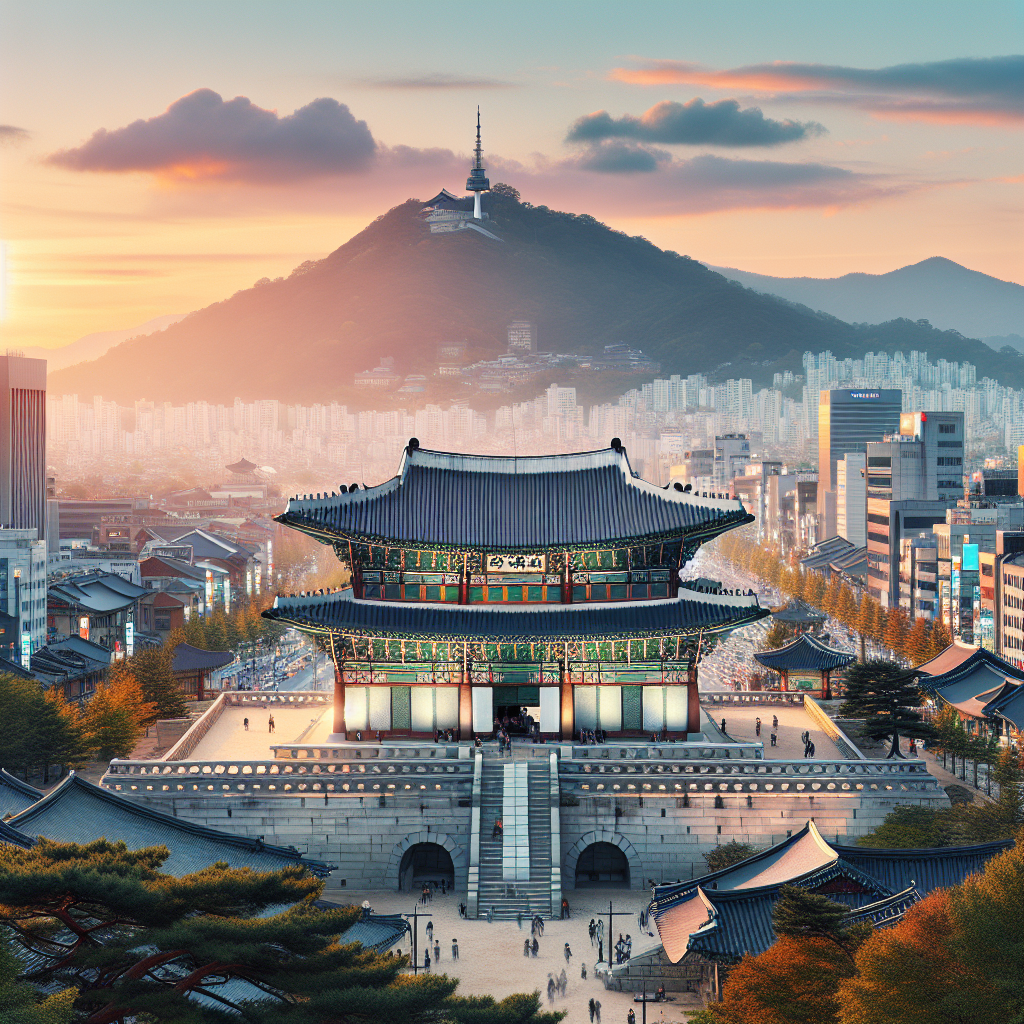
Step Inside Seoul’s Blue House: A Warm, Real-Life Guide to Visiting Cheong Wa Dae
If you are visiting Seoul and want to see a place that feels historic, beautiful, slightly mysterious, and very Korean all at once, Cheong Wa Dae, also known as the Blue House, deserves a spot on your itinerary. For decades, this was the official presidential office and residence of South Korea. Today, it is open to the public, which means ordinary travelers can finally walk through a place that used to be seen only on television news, official photos, and political dramas.
What I love about Cheong Wa Dae in Seoul is that it does not feel like just another government building. The moment you see the blue-tiled roof sitting against the green slope of Bugaksan Mountain, the whole scene feels almost cinematic. There is the quiet dignity of Korean history, the elegance of traditional architecture, and that unmistakable Seoul feeling where the past and present sit side by side.
For foreign visitors, this area is especially rewarding because it connects naturally with other famous attractions such as Gyeongbokgung Palace, Bukchon Hanok Village, Samcheong-dong, and Insadong. If you enjoy Korean dramas, history, photography, K-culture, or just a peaceful walk away from Seoul’s busiest shopping streets, this is one of those places that quietly stays with you after the trip is over.
Why Cheong Wa Dae Is So Special
Cheong Wa Dae literally means “Blue Tile Pavilion,” and the name comes from the elegant blue roof tiles on the main building. These tiles are not just decorative. They have become one of the most recognizable symbols of modern South Korea, appearing in news reports, official ceremonies, documentaries, and political dramas for many years.
From 1948 until 2022, Cheong Wa Dae served as the center of South Korea’s presidential power. Presidents worked here, welcomed foreign leaders here, and made decisions here that shaped the country’s modern history. When the grounds opened to the public, it felt like a major cultural shift. A place that had once been distant and heavily guarded suddenly became somewhere families, travelers, students, and curious visitors could explore on foot.
But the charm of Cheong Wa Dae is not only political. The compound is surrounded by trees, gardens, stone paths, traditional-style buildings, and mountain views. On a sunny day, the blue roof looks striking against the sky. On a cloudy day, the whole place feels calm and almost poetic. It is one of the rare attractions in Seoul where you can take beautiful photos, learn real history, and enjoy a slow walk without feeling rushed.
Main Places to See Inside Cheong Wa Dae
- Main Office Building: This is the iconic blue-roofed structure most people imagine when they hear “Blue House.” It is the best-known photo spot and the heart of the complex.
- Yeongbingwan State Guest House: A grand building used for official events and diplomatic receptions. It gives you a sense of how Korea welcomed important guests from around the world.
- Nokjiwon Garden: A peaceful green space with old trees and wide lawns. It is one of the most relaxing areas of the grounds.
- Sangchunjae: A beautiful traditional-style building made with Korean wood architecture. It is one of the prettiest places to photograph, especially if you love hanok-style design.
- Chunchugwan: The former press center, where presidential briefings and media events were held.
- Walking Paths Near Bugaksan Mountain: The natural backdrop is a huge part of the experience. Even a short stroll gives you a completely different view of Seoul.
A little real-life tip from my visit: I went in the morning, and honestly, that made the whole visit feel much softer and calmer. The light was beautiful, the paths were not too crowded, and I could actually stop to enjoy the sound of the trees instead of just taking quick photos and moving on. If you can, go early on a weekday; your photos will look better, and your mood will be better too.
Cheong Wa Dae for K-Drama and K-Culture Fans
If you are into Korean dramas, you will probably feel a strange sense of familiarity at Cheong Wa Dae. Even if a drama was not filmed inside the actual compound, many political K-dramas use Blue House-inspired settings, presidential offices, press rooms, and crisis meeting scenes that are clearly based on this place. So when you stand in front of the real blue-tiled building, it feels like stepping into the world behind those dramatic TV moments.
Korean political dramas such as Designated Survivor: 60 Days, Chief of Staff, and other government-themed series have made international viewers more curious about how Korean politics is visually represented on screen. Cheong Wa Dae is not simply a backdrop; it is a symbol. In dramas, it often represents pressure, responsibility, national crisis, ambition, and leadership. Visiting the real site gives those stories a stronger sense of place.
For KPOP fans, Cheong Wa Dae may not be a classic idol pilgrimage spot like HYBE Insight, music show buildings, or entertainment company neighborhoods, but it still belongs to the broader world of Korean culture. Since opening to the public, the Blue House grounds have hosted cultural performances, exhibitions, and public events from time to time. Depending on the season, you may come across traditional Korean music, special concerts, or cultural programs that make the visit feel even more memorable.
Best Photo Ideas for Drama and K-Culture Lovers
- The Main Building View: Stand far enough back to capture the blue roof, the building, and Bugaksan Mountain together. This is the classic Cheong Wa Dae shot.
- Traditional Architecture Details: Look closely at the roof curves, wooden patterns, stone steps, and garden paths. These details photograph beautifully.
- Garden Walking Shots: If you enjoy soft, natural photos like scenes from a Korean healing drama, the gardens are perfect.
- Nearby Palace Route: Combine Cheong Wa Dae with Gyeongbokgung Palace and Bukchon Hanok Village for a full K-drama-style Seoul photo day.
One thing I recommend is not rushing through the compound just to “check it off.” Cheong Wa Dae is better when you let yourself wander a little. Some of the prettiest corners are not the loudest or most obvious ones. A quiet garden path, a mountain view behind a roofline, or an old tree in the sunlight can end up being the photo you love most.
How to Get to Cheong Wa Dae
Cheong Wa Dae is located in Jongno-gu, one of Seoul’s most historic and walkable districts. It is very close to Gyeongbokgung Palace, so many travelers visit both places on the same day. The area is central, but it feels calmer than Myeongdong or Hongdae, which is part of its charm.
By Subway
- Take Seoul Subway Line 3 to Gyeongbokgung Station.
- Use Exit 4 or 5, depending on your route.
- Walk toward Gyeongbokgung Palace and continue north toward Cheong Wa Dae.
- The walk usually takes around 10 to 15 minutes, depending on your pace and how often you stop for photos.
By Bus
Several local buses stop near the Blue House area. If you are using Naver Map or KakaoMap, search for Cheong Wa Dae or 청와대. These apps are much more reliable in Korea than Google Maps for walking routes and bus information.
By Taxi
A taxi is convenient if you are coming from Myeongdong, Seoul Station, or Insadong. Show the driver 청와대 or say “Cheong Wa Dae.” From central Seoul, the ride is usually short, though traffic around palace areas can slow down on weekends.
Useful app tip: If you are traveling in Korea, download Naver Map or KakaoMap before your trip. They are much better for public transportation, walking directions, and restaurant searches in Seoul.
Visitor Information You Should Know Before Going
Because Cheong Wa Dae is a former presidential compound, visitor rules can change depending on events, maintenance, holidays, or security needs. Before you go, always check the official Cheong Wa Dae website for the latest opening hours and entry guidelines.
Basic Visiting Tips
- Admission: Entry is generally free, which makes it one of the best-value cultural attractions in Seoul.
- Opening Hours: Hours may vary by season, so check the official website before visiting.
- Closed Days: Cheong Wa Dae is commonly closed on a weekly maintenance day, but schedules can change around holidays.
- ID: Bring your passport or a valid ID, especially if you are attending a reserved program or special event.
- Security: Avoid bringing large luggage, sharp objects, drones, or anything that may cause issues at entry.
- Shoes: Wear comfortable walking shoes. The grounds are larger than they look, and you will enjoy the visit more if your feet are happy.
- Weather: Much of the experience is outdoors, so bring an umbrella on rainy days and sun protection in summer.
If you are visiting in spring or autumn, you are lucky. Spring brings fresh greenery and flowers, while autumn gives the area warm colors that look gorgeous with the blue roof. Summer can be hot and humid, so go early. Winter is quieter and can be beautiful too, especially if you catch the grounds after snowfall.
What to Eat Near Cheong Wa Dae
One of the best things about visiting Cheong Wa Dae is the food nearby. You are right between some of Seoul’s most charming neighborhoods: Samcheong-dong, Seochon, and the Gyeongbokgung area. That means you can find everything from traditional soups and handmade dumplings to stylish cafes and modern Korean dining.
My honest advice is to plan your meal before you arrive, especially on weekends. The famous restaurants around Gyeongbokgung and Samcheong-dong can have long lines during lunch. If you are the type who gets cranky when hungry, save a few restaurant options on your map in advance.
1. Tosokchon Samgyetang
- Best for: First-time visitors who want a classic Korean meal.
- What to order: Samgyetang, a warm ginseng chicken soup with rice, garlic, jujube, and ginseng.
- Why tourists love it: It is famous, filling, easy to understand, and close to Gyeongbokgung Palace.
- Good to know: There is often a line, but the restaurant is used to international visitors and moves fairly quickly.
Tosokchon Samgyetang is one of those Seoul restaurants that appears in almost every travel guide, but it is still worth considering if you have never tried samgyetang before. The soup is comforting without being too spicy, so it works well for travelers who are still getting used to Korean flavors.
2. Samcheongdong Sujebi
- Best for: A cozy, casual Korean lunch.
- What to order: Sujebi, a hand-torn dough soup usually served in a light, savory broth.
- Why tourists love it: It feels local, warm, and simple in the best way.
- Good to know: This is especially satisfying after walking around the Blue House and palace area.
Samcheongdong Sujebi is a great choice if you want something less touristy-feeling than the biggest palace-area restaurants. The texture of the hand-torn dough is chewy and comforting, and the broth feels gentle after a long walk.
3. Jaha Son Mandu
- Best for: Dumpling lovers and travelers who want a lighter meal.
- What to order: Handmade mandu served steamed, in soup, or with noodles depending on the menu.
- Why tourists love it: Mandu is easy to enjoy even if you are new to Korean food.
- Good to know: This is a lovely option if you are exploring the northern side of the palace and Blue House area.
Jaha Son Mandu is charming because it focuses on handmade dumplings, a food that feels familiar but still distinctly Korean. If you are traveling with friends who have different spice tolerance levels, mandu is usually a safe and happy choice.
4. Cafe Stops in Samcheong-dong
- Best for: Coffee, desserts, and a slow afternoon break.
- What to try: Einspänner, matcha latte, seasonal cakes, or Korean-style teas.
- Why tourists love it: Samcheong-dong cafes are stylish but calmer than many cafes in Hongdae or Gangnam.
- Good to know: Many cafes are tucked inside renovated hanok-style buildings or small modern spaces with pretty windows.
After Cheong Wa Dae, I personally think a cafe break in Samcheong-dong is almost mandatory. The neighborhood has that slow, artsy Seoul mood: narrow streets, small galleries, pretty storefronts, and people wandering with iced coffee in hand. It is the perfect place to rest before continuing to Bukchon or Insadong.
5. Modern Korean Dining Around Seochon
- Best for: Travelers who want a more polished dinner after sightseeing.
- What to expect: Creative Korean dishes, seasonal ingredients, rice-based menus, traditional alcohol pairings, or modern hanjeongsik-style meals.
- Why tourists love it: Seochon feels local, tasteful, and less overwhelming than busier nightlife areas.
- Good to know: Make a reservation if you are aiming for a popular dinner spot.
Seochon, the neighborhood west of Gyeongbokgung Palace, is one of my favorite areas for dinner near Cheong Wa Dae. It has a more lived-in feeling than some tourist-heavy streets, with small restaurants, wine bars, Korean bistros, and hidden cafes. If you want your Seoul day to feel a little more local and less rushed, ending here is a beautiful idea.
A Perfect One-Day Itinerary Around Cheong Wa Dae
If this is your first time in Seoul, you can easily build a full day around Cheong Wa Dae. The surrounding area is rich in history, architecture, food, and photo spots, so it makes sense to explore slowly instead of bouncing across the city.
Suggested Route
- 9:00 AM – Start at Cheong Wa Dae: Arrive early, enjoy the quiet paths, and take your time around the main buildings and gardens.
- 11:00 AM – Walk to Gyeongbokgung Palace: Visit Korea’s most famous royal palace and watch the changing of the guard ceremony if the timing works.
- 12:30 PM – Lunch Near Gyeongbokgung: Try Tosokchon Samgyetang, Samcheongdong Sujebi, or a local mandu restaurant.
- 2:00 PM – Explore Bukchon Hanok Village: Walk through traditional Korean houses and enjoy the elevated views over Seoul.
- 3:30 PM – Cafe Break in Samcheong-dong: Rest your legs with coffee, tea, or dessert.
- 5:00 PM – Stroll Through Insadong or Seochon: Choose Insadong for souvenirs and traditional crafts, or Seochon for a quieter local mood.
- 7:00 PM – Dinner Nearby: End with modern Korean food, dumplings, noodles, or a relaxed wine bar in Seochon.
This route is especially good for visitors who want a Seoul day that feels balanced. You get history, architecture, nature, food, and shopping without spending half your day on the subway.
Practical Tips for Foreign Travelers
- Use translation apps: Papago is very useful in Korea, especially for menus and signs.
- Bring a portable charger: You will probably take more photos than expected.
- Check the weather: The Blue House grounds are best enjoyed outdoors, so weather matters.
- Avoid peak weekend afternoons: If you dislike crowds, weekday mornings are much better.
- Pair it with hanbok photos: Renting hanbok near Gyeongbokgung Palace is popular and makes the whole area feel even more special.
- Respect quiet areas: Even though Cheong Wa Dae is open to the public, it still carries national significance, so keep a respectful tone while visiting.
Final Thoughts: Is Cheong Wa Dae Worth Visiting?
Yes, Cheong Wa Dae is absolutely worth visiting, especially if you are interested in Korean history, architecture, politics, photography, or K-drama-style scenery. It is not the loudest attraction in Seoul, and that is exactly why I like it. The place has a quiet power. You walk through it slowly, look up at the blue roof, notice the mountain behind it, and realize you are standing somewhere that was once completely closed off to ordinary people.
For foreign tourists, the Blue House also fits beautifully into a first-time Seoul itinerary because it is so close to other major sights. You can visit Cheong Wa Dae in the morning, eat a traditional Korean lunch, explore Gyeongbokgung Palace, wander through Bukchon, and finish with coffee in Samcheong-dong. That is a pretty perfect Seoul day.
Go with comfortable shoes, a little curiosity, and enough time to wander. Cheong Wa Dae is not just a former presidential compound anymore. It is now one of Seoul’s most meaningful public spaces, and visiting it gives you a deeper, more personal connection to the city.
댓글
댓글 쓰기