Soesokkak Estuary: The Jeju Spot That Doesn’t Try Too Hard
You know how some places in Jeju feel like they were designed mainly for photos? Big signs, crowded viewpoints, people lining up for the exact same pose… nothing wrong with that, honestly. I do it too when the light is good. But Soesokkak Estuary is a little different. It’s quieter. Less pushy. It just sits there, calm and green, like it already knows it’s beautiful and doesn’t need to prove anything.
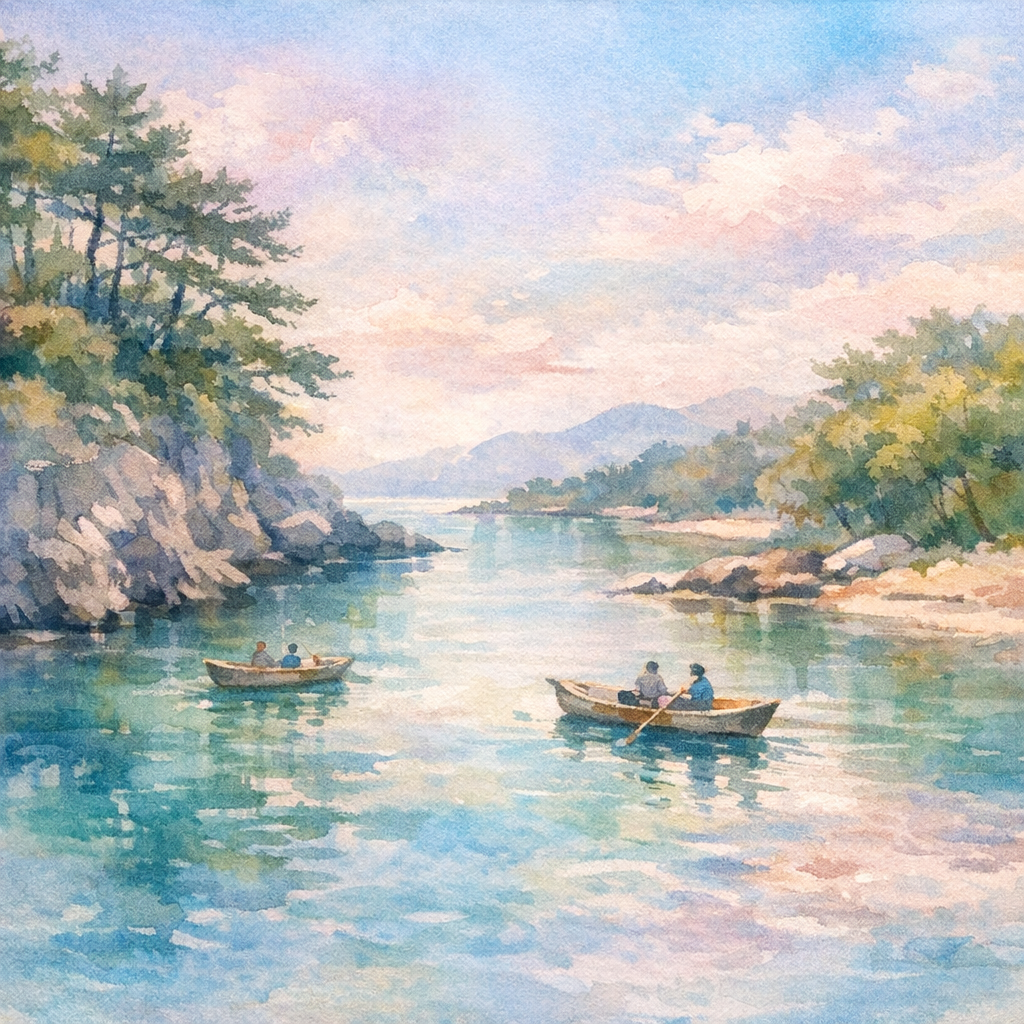
Soesokkak sits on the southern side of Jeju Island, near Seogwipo City, where fresh water from Hyodoncheon Stream meets the sea. That sounds like something from a geography textbook, I know, but when you actually stand there, it feels much softer than that. The water has this deep emerald color, the cliffs are dark volcanic rock, and the trees lean in around the water like they’re whispering. A bit dramatic? Maybe. But Jeju does that to you.
I’m in my 40s, I work in IT, and my weekdays are basically screens, meetings, coffee, and pretending not to check Slack after dinner. So when I travel, I don’t always want something “efficient.” Sometimes I want a place where I can walk slowly and not optimize anything. Soesokkak Estuary in Jeju is perfect for that kind of mood.
The funny thing is, it doesn’t hit you all at once. It’s not like seeing Hallasan Mountain from a distance or standing in front of a huge waterfall. Soesokkak kind of sneaks up on you. You walk in thinking, “Okay, nice stream,” and then five minutes later you’re staring at the water, forgetting what time it is. That happened to me. And honestly, I needed it more than I expected.
Why Foreign Travelers Usually Love Soesokkak
If this is your first trip to Korea, or even your first time outside Seoul, Jeju can feel like a completely different country inside Korea. The pace is slower, the air smells different, and people talk about wind and weather like they’re old friends. Soesokkak Estuary shows that side of Jeju really well.
It’s also an easy place to enjoy without needing deep historical knowledge or perfect Korean language skills. You don’t have to understand a long museum explanation. You just walk, look, breathe, maybe ride a small boat, maybe take too many photos. Simple stuff. Good stuff.
What makes the scenery special?
The best part is the mix. You get clear green water, black volcanic rocks, forested cliffs, and a peaceful stream that slowly opens toward the ocean. Jeju has plenty of dramatic coastal views, but Soesokkak has a more intimate feeling. It’s not huge and overwhelming. It’s closer, quieter, almost like a secret corner of the island.
For foreign visitors, especially if you’re used to big-city travel, this place is a nice reset button. Seoul is amazing, but Seoul is fast. Soesokkak is not. And that contrast is exactly why it feels so good.
- Great for couples: It has that slow-walk, soft-conversation kind of atmosphere.
- Great for solo travelers: Nobody bothers you, and it’s easy to spend time alone without feeling awkward.
- Great for families: The walking paths are manageable, and kids usually love the water and boats.
- Great for K-culture fans: It feels like the kind of quiet “healing trip” location you see in Korean variety shows.
And yes, if you’re into photography, you’ll be busy. The water color changes depending on the light, so morning, afternoon, and sunset all feel a little different. I personally like late afternoon. The shadows get longer, the green becomes deeper, and the whole place feels slightly cinematic… like someone should be walking away in slow motion after a dramatic confession.
The Boat and Kayak Experience: Calm, Pretty, and Not Too Intense
The main thing many people come for is the Soesokkak boat ride. Depending on the season and local operation status, you may find traditional-style raft rides or kayak-style experiences. The famous one people often talk about is the clear kayak or small boat experience, where you glide across the calm water while looking down into that beautiful green-blue surface.
I’ll be honest. I’m not exactly a hardcore water activity guy. I’m the type who checks weather apps too much and gets suspicious when someone says, “Don’t worry, it’s safe.” But Soesokkak is gentle. It’s not like being out on rough ocean waves. The estuary is protected, and the water usually feels calm enough that even nervous travelers can enjoy it.
Still, don’t treat it like a theme park ride that runs perfectly every hour. Jeju weather is Jeju weather. Wind, rain, water conditions, and safety rules can affect operations. If the boat ride is the main reason you’re going, check locally before heading over. I learned that the slightly annoying way once. I drove down feeling proud of my “perfect plan,” only to find the wind had changed things. So I got coffee instead, walked the boardwalk, and weirdly enough, it became one of my better Jeju afternoons.
My realistic tip: don’t rush the boat ride
If you can, try to visit when you’re not squeezed between three other attractions. Soesokkak is better when you give it space. Book or line up for the ride if it’s available, but also save time to walk along the water afterward. That second part is where the place really settles into your memory.
Also, bring a light jacket. Even when the sun is out, the breeze coming through the estuary can feel cooler than expected. I once went there in a thin shirt because the weather app said it was warm, and yeah… classic office-worker mistake. My wife still brings that up whenever I claim I’m “good at planning.”
- Best time for soft light: Late afternoon, especially before sunset.
- Best time for fewer people: Weekday mornings, if your schedule allows it.
- What to wear: Comfortable shoes and a light outer layer.
- What to bring: Sunglasses, water, and a phone strap if you’re clumsy near water. Not judging. I am that person too.
K-Drama, K-Pop, and That Korean “Healing Trip” Feeling
Let’s talk about the K-culture angle, because honestly, many foreign travelers come to Korea with at least one drama scene or idol travel vlog living rent-free in their head. And I get it. Korea sells atmosphere really well. A quiet road, a cup of coffee, two people not saying what they really mean… suddenly we’re all emotionally invested.
Soesokkak Estuary may not be the loudest official filming-location type of destination, and I don’t want to pretend every pretty place in Korea has a famous drama scene attached to it. But the feeling? Very K-drama. Very Korean variety-show healing trip. If you’ve watched idols go to Jeju for a break, eating local food, walking near the sea, laughing awkwardly in the wind, this is exactly the kind of place that matches that mood.
For K-pop fans visiting Jeju, Soesokkak is especially nice because it gives you a different kind of Korea from the entertainment districts in Seoul. No giant billboards, no album shops, no dance challenge crowds. Just scenery that looks like it belongs in a soft travel vlog. If you make reels or TikToks, this place gives you that calm “Jeju healing day” background without needing to force it.
Nearby places with cinematic energy
If you want to turn the day into a little K-drama-style Jeju route, you can connect Soesokkak with a few nearby Seogwipo spots. They’re not far, and the whole area has that moody coastal charm that shows up often in Korean travel programs and romantic drama scenes.
- Jeongbang Waterfall: One of Jeju’s most famous waterfalls, dropping close to the sea. It feels dramatic, a little wild, and great for photos.
- Cheonjiyeon Waterfall: Easier and softer than Jeongbang, with a pleasant walking path. Nice if you want something peaceful after Soesokkak.
- Lee Jung Seop Street: A small art street in Seogwipo with cafés, galleries, and local character. Good for a slower evening walk.
- Seogwipo Maeil Olle Market: More food-focused, more lively, and honestly a great place to end the day.
That’s the nice thing about Seogwipo. You don’t need to build a complicated schedule. Pick two or three places, leave some empty time, and let the day breathe a little. Maybe that sounds lazy, but I’ve become a big believer in lazy travel. Especially in Jeju.
How to Get to Soesokkak Estuary Without Losing Your Mind
Soesokkak Estuary is located in the Seogwipo area on Jeju’s southern coast. If you’re renting a car, it’s pretty straightforward. Just enter “Soesokkak” or “Soesokkak Estuary” into your navigation app. Korean navigation apps like Naver Map or KakaoMap usually work better than Google Maps in Korea, especially for driving and public transportation.
If you’re coming from Jeju International Airport, expect roughly 1.5 to 2 hours by car depending on traffic and weather. Jeju looks small on the map, but driving across the island always takes longer than first-timers expect. The roads are scenic though, so it’s not a bad thing unless someone in your group is hungry and getting quiet. You know that dangerous quiet.
By rental car
This is the easiest way, especially if you’re planning to visit multiple places in Seogwipo. Parking is usually available near the entrance area, but on weekends or peak seasons, arrive earlier if possible. Jeju parking can go from “totally fine” to “why is everyone here today?” very quickly.
By bus
Public transportation is possible, but it takes more patience. You can take a bus toward the Soesokkak area and get off near Soesokkak Entrance. From there, you may need to walk a bit. The walk isn’t terrible, and the surroundings are pleasant, but if you’re carrying luggage or traveling with older family members, a taxi might be easier for the last stretch.
By taxi
Taxis are a decent option if you’re already in Seogwipo. If you’re coming from far away, it can get expensive, so I’d use taxis more for short local hops. One small tip: have the Korean name ready, “쇠소깍,” because not every driver will recognize the English pronunciation right away.
Best Time to Visit Soesokkak: I’d Pick Spring or Autumn
You can visit Soesokkak all year, but the experience changes quite a bit depending on the season. If a friend asked me when to go, I’d say April to May or September to October. The weather is kinder, the colors are nicer, and walking around doesn’t feel like a battle against humidity or wind.
- Spring: Fresh, bright, and comfortable. Jeju feels alive but not too crowded if you avoid major holidays.
- Summer: Beautiful but humid. Expect more people, stronger sun, and possible weather changes.
- Autumn: My personal favorite. The air feels cleaner, the light is warmer, and the whole area becomes calmer.
- Winter: Quiet and atmospheric, but the wind can be serious. Dress warmly, especially near the water.
If you care about photos, check the weather before going. Cloudy days can still be beautiful, actually. The water gets moodier, the cliffs look darker, and the whole place feels like a scene from a slow Korean film where nobody says much but everyone is feeling a lot. Sunny days are better for that bright emerald-water look, though. So it depends what kind of vibe you want.
Where to Eat Near Soesokkak: Food That Makes the Trip Feel Complete
Now we get to the important part. Food. I’m convinced half of Jeju’s charm is what you eat after walking in the wind. Something about sea air makes everything taste better, even convenience store triangle kimbap. But near Soesokkak and Seogwipo, you can do much better than that.
After visiting Soesokkak Estuary, I’d usually head toward Seogwipo for a proper meal. The area has seafood, pork noodles, black pork BBQ, market snacks, cafés, and little local restaurants that don’t look fancy but serve food that stays in your brain for months.
Seogwipo Maeil Olle Market: Easy, Fun, and Foreigner-Friendly
Seogwipo Maeil Olle Market is one of the easiest places to recommend to foreign travelers because you don’t have to commit to one big restaurant meal right away. You can wander, snack, look around, and decide what smells good. It’s lively without being too overwhelming, and many stalls are used to tourists.
Try tangerine juice if you see it fresh. Jeju tangerines are famous for a reason, and after walking around Soesokkak, that sweet-cold citrus hit is weirdly perfect. Also look for hotteok, the Korean sweet pancake filled with syrupy brown sugar and seeds. Is it healthy? Absolutely not. Does that matter on vacation? Also absolutely not.
- Good for: Travelers who want variety and casual food.
- What to try: Tangerine juice, hotteok, fried snacks, gimbap, grilled seafood skewers.
- Why foreigners like it: You can point, order small portions, and explore without too much pressure.
Gogi-Guksu: Jeju Pork Noodle Soup That Hits the Spot
Gogi-guksu is one of those Jeju dishes that sounds simple but feels deeply satisfying. It’s pork noodle soup, usually with a rich broth, slices of tender pork, and chewy noodles. After a breezy boat ride or a long walk, it feels like your body says, “Ah, yes, this is what we needed.”
The flavor is usually mild compared to spicy Korean stews, so it’s a safe choice if you don’t handle heat well. Add some kimchi on the side, maybe a little pepper if you like it stronger, and you’re good. It’s comforting in a very practical way. No drama. Just a good bowl of noodles.
Haemultang: Spicy Seafood Stew for the Brave and Hungry
If you want something more dramatic, look for haemultang, a spicy seafood stew often loaded with crab, clams, shrimp, abalone, octopus, and vegetables. It arrives bubbling hot, and the smell alone makes everyone at the table suddenly pay attention.
Jeju seafood has that fresh ocean taste, and in a spicy broth, it becomes a proper meal-event. If you’re sensitive to spice, ask if they can make it less spicy by saying, “An maepge haejuseyo,” which means “Please make it not spicy.” Will it become totally mild? Maybe not. Korean “not spicy” can still be a little spicy, depending on the restaurant. But it helps.
- Good for: Groups, seafood lovers, cold or windy days.
- Flavor: Spicy, savory, deep, ocean-rich.
- Small warning: It can be messy. Wear dark clothes if you’re like me and somehow always splash soup on yourself.
Jeju Black Pork BBQ: The One Meal I Wouldn’t Skip
Jeju black pork BBQ, or heukdwaeji, is one of the island’s most famous foods. And yes, it is worth trying. The pork is juicy, flavorful, and usually grilled in thick pieces. When the outside gets slightly crispy and the inside stays tender… wow. That’s the kind of food that makes people stop talking for a minute.
Most BBQ restaurants will give you lettuce, garlic, ssamjang sauce, kimchi, and maybe pickled vegetables. Wrap the pork in lettuce with a little sauce and garlic, eat it in one bite, and you’ll understand why Koreans take grilled meat seriously. If you drink alcohol, a cold beer or Jeju soju fits dangerously well here.
For foreign visitors, black pork BBQ is also fun because it’s interactive. You sit, grill, wrap, talk, repeat. Even if the staff doesn’t speak much English, the system is pretty easy to figure out. Pointing and smiling still works in many local restaurants. Not elegant, but effective. My travel Korean is decent, but honestly, half of my best meals started with pointing at someone else’s table and saying, “That one, please.”
A Simple Half-Day Route Around Soesokkak
If you’re the kind of traveler who likes a loose plan, here’s how I’d do it. Not too packed. Just enough structure so the day doesn’t dissolve into checking maps every ten minutes.
- Start at Soesokkak Estuary: Walk around first, check the boat or kayak situation, take your time near the water.
- Stop by Jeongbang Waterfall or Cheonjiyeon Waterfall: Pick one depending on your energy. Don’t force both if you’re tired.
- Head to Seogwipo Maeil Olle Market: Grab snacks, juice, and maybe small street foods.
- Finish with black pork BBQ or seafood stew: Sit down properly and let the day end with a real Jeju meal.
This route works especially well if you’re staying in Seogwipo. If you’re based in Jeju City, it’s still doable, but give yourself enough driving time. Jeju roads can be peaceful, but they are not magic portals. I say this as someone who once thought, “Oh, it’s only across the island,” and then spent two hours wondering why I do this to myself.
Little Things I’d Tell a Friend Before Going
Soesokkak is not complicated, but a few small details can make your visit smoother. And these are the kinds of things I usually care about more than grand travel advice. Where to park, when to go, whether I’ll regret my shoes… real life stuff.
- Use Naver Map or KakaoMap: They work better in Korea than Google Maps for exact routes.
- Check boat availability: Weather and local conditions can change operations.
- Bring a light jacket: The breeze near the water can surprise you.
- Wear shoes you can walk in: The boardwalk and nearby paths are easy, but you’ll enjoy them more with comfortable footwear.
- Don’t overpack your schedule: Soesokkak is best when you’re not rushing.
- Carry a little cash: Cards are widely accepted in Korea, but small vendors and markets can still be easier with cash.
One more tiny thing. If you’re taking photos, step aside and let others pass. Some parts of the walking area can get narrow, and nothing ruins a peaceful Jeju moment faster than someone blocking the path for a 47-photo couple shoot. Take the photo, of course. Just don’t become the villain in someone else’s travel story.
So, Should Soesokkak Be on Your Jeju Bucket List?
Yes. But not because it’s the biggest or most famous place in Jeju. Soesokkak Estuary belongs on your list because it gives you a quieter version of the island. The kind of Jeju that makes you lower your voice without noticing. The kind that reminds you travel doesn’t always need a huge “wow” moment to be memorable.
If you love K-drama-style scenery, peaceful nature, gentle water activities, and good food nearby, Soesokkak is a very easy recommendation. It also pairs beautifully with Seogwipo’s markets, waterfalls, cafés, and restaurants, so you’re not traveling all that way for one quick stop.
For me, it’s one of those places I’d revisit without needing a special reason. Maybe that’s the best compliment. Some attractions you check off. Soesokkak is more like a place you return to when your brain has too many tabs open.
Go slowly. Ride the boat if the weather allows. Eat something warm afterward. And for a little while, let Jeju do that quiet Jeju thing it does so well...
댓글
댓글 쓰기