Seoul Neighborhood Travel Guide
Why Seoul – Mangwon-dong Is the Neighborhood Foreign Travelers Keep Falling in Love With
Mangwon-dong is one of those rare spots in Seoul that feels like a secret only locals know about. Tucked away in Mapo-gu, just west of central Seoul and close to the buzz of Hongdae and Hapjeong, this neighborhood has it all: a traditional market that smells like heaven, cozy little cafés on every corner, casual Korean restaurants that don’t break the bank, tiny design shops, and peaceful Han River views. It’s trendy but not snobby, local yet super easy for visitors, and full of warmth that makes you want to stay forever.
If you’re planning your first trip to Korea, you’ve probably got Myeongdong, Gangnam, Bukchon Hanok Village, and Hongdae on your list. And sure, those are amazing. But Seoul – Mangwon-dong offers something totally different: imagine eating hot market snacks elbow-to-elbow with locals, strolling to the Han River at golden hour, discovering tiny bakeries hidden on quiet streets, and soaking up the creative energy of Mapo without the crazy crowds of Hongdae. Plus, it’s a smart base for K-pop fans because it’s right near Hongdae’s busking streets, Hapjeong’s entertainment scene, and Sangam’s broadcasting district.
Quick summary: Come to Mangwon-dong for Mangwon Market, Korean street food, cozy cafés, vintage-style shops, Mangwon Hangang Park, and a relaxed local Seoul vibe. It’s perfect for food lovers, café hoppers, K-culture fans, couples, solo travelers, and anyone who wants to see a less touristy side of Seoul.
1. Where Is Mangwon-dong and Why Should You Visit?
Mangwon-dong sits in Mapo-gu, one of Seoul’s most culturally vibrant districts. It’s sandwiched between the youthful energy of Hongdae and the calm, open beauty of the Han River. Getting there is a breeze—just hop on Mangwon Station on Seoul Subway Line 6, and you’re connected to Itaewon, Hapjeong, Gongdeok, and other popular spots.
What makes Seoul – Mangwon-dong so special is its balance. You can start your morning with traditional Korean market food, spend the afternoon shopping for handmade goods and sipping coffee in a beautifully designed café, and end your day watching the sunset at Mangwon Hangang Park. Unlike many tourist-heavy parts of Seoul, Mangwon-dong still feels lived-in. You’ll see families buying groceries, students meeting friends, office workers grabbing lunch, and travelers quietly snapping photos of pretty storefronts.
Best for These Travelers
- Food travelers who want authentic Korean market snacks, casual restaurants, and local bakeries.
- Café lovers looking for stylish but relaxed spots away from the busiest tourist streets.
- K-pop and Korean culture fans who want to stay near Hongdae, Hapjeong, and Sangam while exploring a more local neighborhood.
- Couples who want an easy date-course area with food, coffee, shopping, and a riverside walk.
- Solo travelers who prefer safe, walkable streets and casual dining options.
- Repeat visitors to Seoul who have already seen the major attractions and want a deeper neighborhood experience.
How to Get to Mangwon-dong
- By subway: Take Seoul Subway Line 6 to Mangwon Station. Exit 2 is commonly used for Mangwon Market and the café streets.
- From Hongdae: Take Line 2 to Hapjeong, transfer to Line 6, and ride one stop to Mangwon. You can also walk from parts of Hapjeong if you enjoy neighborhood strolling.
- From Itaewon: Line 6 connects Itaewon directly to Mangwon, which makes the route simple for foreign travelers.
- From Myeongdong: Take Line 4 to Samgakji, transfer to Line 6, and continue to Mangwon.
- Navigation tip: Use Naver Map or KakaoMap in Korea. Google Maps can be limited for walking directions in Seoul.
2. Mangwon Market: The Heart of the Neighborhood
The most famous attraction in Seoul – Mangwon-dong is Mangwon Market, a traditional Korean market that’s become a hit with locals, domestic travelers, and international visitors. It’s not as huge as Gwangjang Market, but that’s exactly why many people love it. Mangwon Market is easier to navigate, less overwhelming, and full of affordable foods that are perfect for a casual Seoul food tour.
The market has a friendly, everyday atmosphere. Vendors sell fresh produce, side dishes, fried snacks, rice cakes, Korean pancakes, chicken, dumplings, noodles, and desserts. Many visitors come with one mission: walk slowly, buy small portions, and taste as much as possible. This is one of the easiest ways to experience Korean food culture without needing a formal restaurant reservation.
Must-Try Foods at Mangwon Market
- Dakgangjeong: Sweet and crispy Korean fried chicken bites, often served with a sticky sauce. This is one of the most foreigner-friendly market foods because it’s easy to eat and full of flavor.
- Hotteok: A warm Korean pancake filled with brown sugar, cinnamon, and seeds. It’s especially comforting in autumn and winter.
- Tteokbokki: Chewy rice cakes in spicy-sweet gochujang sauce. If you can’t handle spice, ask whether the vendor has a milder version.
- Gimbap: Korean rice rolls with vegetables, egg, and sometimes tuna or meat. Great for a light snack or picnic at the Han River.
- Jeon: Korean savory pancakes, often made with vegetables, seafood, or kimchi. They pair beautifully with makgeolli, a traditional Korean rice wine.
- Fresh fruit juice: A refreshing option after eating fried snacks, especially in summer.
- Banchan: Korean side dishes sold by weight or portion. This is a fun way to see what Korean families actually eat at home.
Why Foreign Visitors Like Mangwon Market
Mangwon Market is approachable. The food is affordable, the portions are manageable, and the market is compact enough to explore in under an hour if you’re short on time. It also photographs beautifully: colorful food stalls, steaming pans, handwritten signs, and old-school storefronts make it feel like a living piece of Seoul rather than a staged tourist attraction.
I personally love visiting Mangwon Market before sunset and picking up a few snacks to take toward the Han River. The small tip I always share is this: bring a little cash, but don’t worry too much because many places now accept cards too. Also, if a stall has a local line, I usually join it because it almost always means the food is worth waiting for.
Market Etiquette Tips
- Don’t block narrow aisles while taking photos.
- Ask politely before filming vendors up close.
- Try to order clearly and quickly when the stall is busy.
- Use simple Korean phrases like “annyeonghaseyo” for hello and “gamsahamnida” for thank you.
- Throw trash away properly; public trash bins can be limited in Seoul.
3. Mangwon Hangang Park: A Peaceful Riverside Escape
One of the best reasons to visit Seoul – Mangwon-dong is its easy access to the Han River. Mangwon Hangang Park is a relaxed riverside park where locals ride bikes, walk dogs, picnic with friends, and watch the sky change color in the evening. Compared with Yeouido Hangang Park, Mangwon Hangang Park often feels calmer and more local.
If you want a classic Seoul experience, buy snacks from Mangwon Market and walk or take a short ride to the river. Sit on a mat, enjoy fried chicken or gimbap, and watch cyclists pass by. This simple plan is one of the most satisfying ways to enjoy Seoul like a local.
Things to Do at Mangwon Hangang Park
- Have a Korean picnic: Bring market snacks, convenience-store drinks, or takeaway chicken.
- Watch the sunset: The open river view is especially beautiful during golden hour.
- Rent a bike: Cycling along the Han River is a popular Seoul activity for both locals and tourists.
- Take photos: The river, bridges, skyline, and casual local scenes make excellent travel photography subjects.
- Relax between busy districts: If Hongdae feels too crowded, the riverside is a perfect place to reset.
Best Time to Visit the Han River Near Mangwon
The best time to visit Mangwon Hangang Park is late afternoon to evening. Spring and autumn are especially pleasant because the weather is mild and the air often feels crisp. Summer evenings can also be fun, but bring water and be prepared for humidity. In winter, the river has a quiet beauty, though you should dress warmly because the wind can feel strong near the water.
4. Mangwon-dong Cafés and Small Shops: Seoul’s Quiet Creative Side
Beyond the market, Mangwon-dong is loved for its independent cafés, bakeries, lifestyle shops, and small studios. The neighborhood has a slower creative rhythm than Hongdae. Instead of huge neon signs and loud music, you’ll find minimal interiors, handmade desserts, carefully brewed coffee, and narrow streets that reward slow wandering.
Many cafés in Mangwon-dong are small, so it’s better to visit on weekdays or earlier in the day if you want a calm experience. Weekend afternoons can be busy, especially at famous dessert shops. Still, even when popular cafés have lines, the overall neighborhood atmosphere remains more relaxed than central tourist areas.
What to Look For While Café Hopping
- Signature lattes: Many Korean cafés create unique cream coffees, einspänner-style drinks, or seasonal beverages.
- Butter-rich pastries: Croissants, scones, financiers, madeleines, and salt bread are popular in Seoul’s café scene.
- Minimal Korean interiors: Expect warm wood, neutral colors, plants, ceramics, and thoughtful lighting.
- Small stationery and lifestyle goods: Some cafés and shops sell postcards, candles, cups, tote bags, and local design items.
- Quiet photo spots: Mangwon is photogenic without feeling like a theme park, which makes it great for natural travel photos.
Suggested Café-Hopping Route
- Start at Mangwon Station and walk toward Mangwon Market.
- Eat a few market snacks first so you’re not café-hopping on an empty stomach.
- Explore the side streets around the market for small bakeries and coffee shops.
- Choose one café for a slow break rather than rushing through many places.
- End your route with a walk toward Mangwon Hangang Park for sunset.
5. K-Pop, Korean Variety Shows, and Drama Connections Near Mangwon-dong
Seoul – Mangwon-dong isn’t built around one single K-pop landmark, but it’s strategically located near several important Korean pop culture areas. This makes it a great base or side trip for fans who want to combine local food with K-culture exploration.
Hongdae: Busking, Dance Covers, and Youth Culture
Hongdae is only a short distance from Mangwon-dong, and it’s one of Seoul’s most famous areas for busking, dance performances, indie music, and youth fashion. K-pop fans often enjoy watching dance cover teams perform on the streets in the evening, especially on weekends. If you want a balanced itinerary, explore Mangwon Market and cafés during the day, then move to Hongdae after dinner for street performances and nightlife.
Hapjeong: Entertainment Company Atmosphere and Stylish Dining
Hapjeong, located next to Mangwon, is associated with Seoul’s creative and entertainment scene. The area around Hapjeong and nearby Mapo has long attracted musicians, producers, dancers, artists, and media workers. While visitors should always respect privacy and avoid waiting outside private company buildings, fans can still enjoy the general atmosphere by visiting cafés, restaurants, and shops in the area.
Sangam Digital Media City: Broadcasting and K-Content
From Mangwon-dong, it’s also not difficult to reach Sangam Digital Media City, home to major Korean broadcasting and media facilities. Fans of Korean dramas, variety shows, and K-pop broadcasts may find Sangam interesting because it represents the production side of Korea’s entertainment industry. If your Seoul trip includes K-pop music show experiences, broadcasting-related attractions, or media-company sightseeing, Mangwon-dong can fit naturally into the same day.
Mangwon-dong in Korean Lifestyle Content
Mangwon-dong frequently appears in Korean food videos, neighborhood travel content, lifestyle vlogs, and local TV segments because it looks and feels like real Seoul. Instead of dramatic palace scenes or luxury shopping backdrops, Mangwon offers market stalls, cozy cafés, narrow alleys, and riverside daily life. For fans of Korean dramas and films, this neighborhood helps you understand the everyday urban atmosphere that often appears in realistic Korean storytelling.
K-culture tip: If you want a K-pop-focused day, plan this route: Mangwon Market for lunch, Mangwon cafés in the afternoon, Hongdae for busking and dance covers in the evening, then Hapjeong for dinner or late-night dessert.
6. Foreigner-Friendly Restaurants and Food Spots Near Mangwon-dong
Mangwon-dong is excellent for casual eating. The neighborhood isn’t dominated by luxury restaurants, which is part of its charm. Instead, you’ll find Korean comfort food, fried chicken, noodles, barbecue, dumplings, bakeries, and small bistros. Many restaurants may have limited English signage, but ordering is usually manageable with translation apps, photos, or simple menu pointing.
Food Categories Foreign Visitors Usually Enjoy
- Korean fried chicken: A safe and delicious choice for groups. Try original crispy chicken, sweet-spicy yangnyeom chicken, or soy garlic flavors.
- Kalguksu: Knife-cut noodle soup, comforting and not too spicy. Great in cold weather.
- Gogi-gui Korean barbecue: Look for pork belly, galbi, or marinated meats. Staff may help grill if the restaurant isn’t too busy.
- Gimbap and bunsik: Affordable Korean casual food such as rice rolls, tteokbokki, fish cake soup, and fried snacks.
- Donkatsu: Korean-style pork cutlet restaurants are popular, filling, and easy to enjoy even for picky eaters.
- Bakery cafés: Ideal for travelers who want a light breakfast, coffee break, or dessert after market food.
- Vegan or vegetarian-friendly cafés: Options vary, but Mapo-gu generally has more plant-friendly and international dining choices than many Seoul neighborhoods.
Recommended Eating Plan for One Day
Morning
Start with coffee and a pastry at a local café near Mangwon Station. Choose a smaller café on a side street for a quieter experience.
Lunch
Eat your way through Mangwon Market: dakgangjeong, gimbap, tteokbokki, hotteok, and seasonal fruit juice.
Afternoon
Take a café break with dessert, then browse small lifestyle shops or walk toward the river.
Evening
Enjoy Korean fried chicken, barbecue, or noodles, then head to Hongdae or Hapjeong if you want nightlife.
Practical Restaurant Tips
- Peak lunch time is usually around 12:00 to 1:30 p.m.; dinner rush often begins around 6:00 p.m.
- Some small restaurants may close between lunch and dinner, so check hours before going.
- If you have allergies, prepare a translated allergy card in Korean.
- Many casual Korean restaurants expect each person to order one main dish.
- At barbecue restaurants, a minimum order of two portions of meat is common.
- Tipping is not required in Korea.
7. Best Photo Spots in Seoul – Mangwon-dong
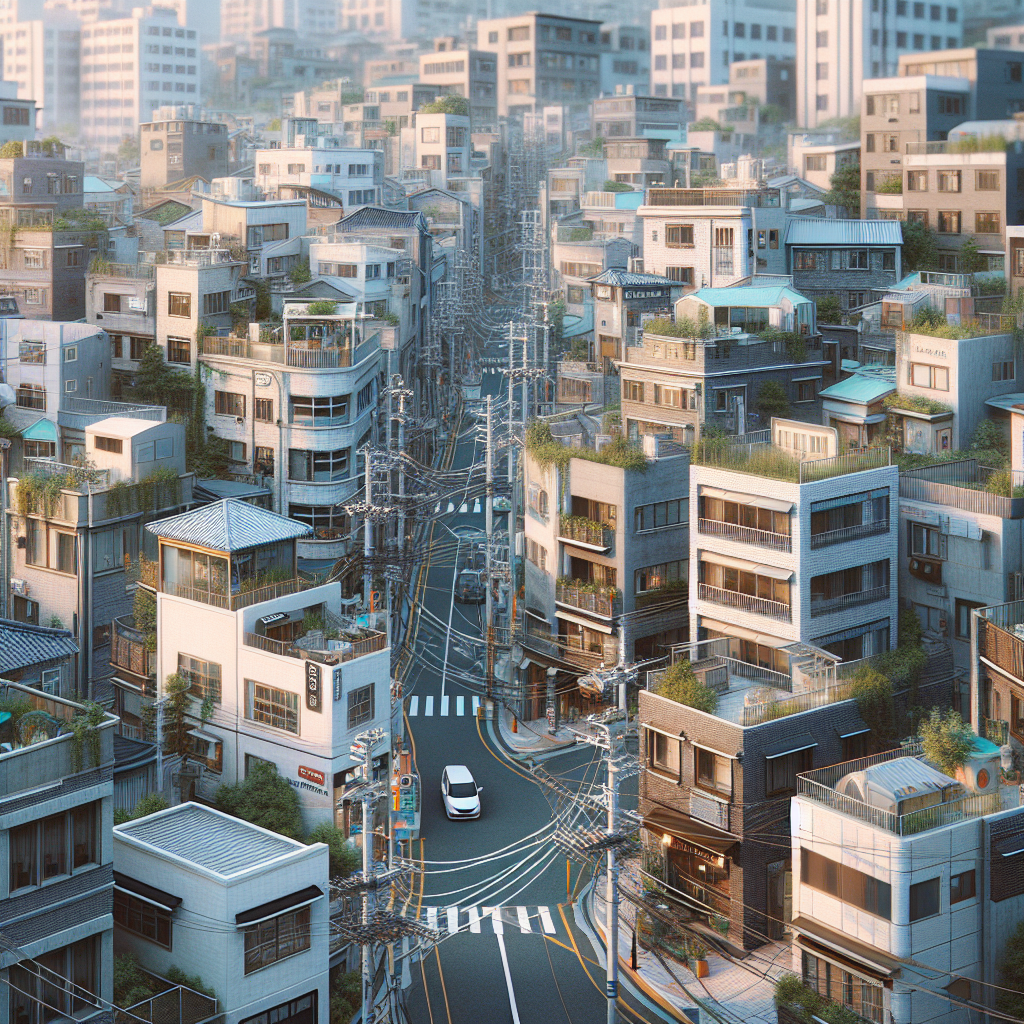
Mangwon-dong isn’t about one giant landmark photo. Its beauty is in small details: a market vendor arranging fruit, a quiet café window, bicycles near the river, sunset over the Han, and handwritten menus on old storefronts. If you enjoy natural travel photography, Mangwon-dong is one of the best neighborhoods in Seoul for capturing everyday local life.
Where to Take Photos
- Mangwon Market entrance: A good place for classic neighborhood market shots.
- Food stalls: Capture close-ups of tteokbokki, fried chicken, hotteok, and gimbap, but be respectful.
- Café streets: Look for simple façades, plants, wooden doors, and warm lighting.
- Small residential alleys: Photograph textures and street scenes without invading residents’ privacy.
- Mangwon Hangang Park: Best for sunset, skyline, picnic, and cycling photos.
- Bridge views: The Han River bridges add structure and depth to evening photos.
Photography Etiquette
Seoul is a very photo-friendly city, but privacy matters. Avoid photographing people’s faces without permission, especially in markets and residential streets. If you’re filming for social media, keep your camera movements discreet in small shops and always follow staff instructions. In cafés, don’t take photos of other customers, and avoid occupying tables for too long during busy hours.
8. Suggested Itineraries for Mangwon-dong
The best way to explore Seoul – Mangwon-dong depends on your travel style. You can visit for two hours as a food stop, spend half a day combining market and cafés, or make it part of a full Mapo-gu itinerary with Hongdae and Hapjeong.
Two-Hour Quick Visit
- Arrive at Mangwon Station.
- Try two or three snacks such as dakgangjeong, tteokbokki, and hotteok.
- Grab coffee or a pastry nearby.
- Return to the subway or continue to Hapjeong.
Half-Day Food and Café Route
- Arrive around 11:00 a.m. before the lunch rush gets too intense.
- Explore Mangwon Market slowly and sample multiple foods.
- Visit an independent café for coffee and dessert.
- Browse small shops and take photos of the neighborhood streets.
- Walk to Mangwon Hangang Park for sunset.
Full-Day Mapo K-Culture Route
- Start in Mangwon-dong with market food and coffee.
- Move to Mangwon Hangang Park for a riverside walk.
- Head to Hapjeong for shopping, dinner, or dessert.
- Continue to Hongdae in the evening for busking, dance covers, and nightlife.
- If your schedule allows, add Sangam Digital Media City on a separate day for a broadcasting-focused experience.
9. When to Visit Mangwon-dong: Seasonal Guide
Mangwon-dong is enjoyable year-round, but each season creates a different mood. Since much of the neighborhood experience involves walking, eating, and riverside time, weather can shape your itinerary.
Spring
Spring is one of the best seasons to visit. The weather is comfortable, cafés often introduce seasonal drinks and desserts, and walking to the Han River feels pleasant. If cherry blossoms are blooming in Seoul, nearby riverside areas and parks become especially popular.
Summer
Summer can be hot and humid, but Mangwon-dong is still fun if you plan smartly. Visit the market earlier in the day, cool down in cafés, and go to the Han River in the evening. Bring water, wear breathable clothing, and consider a portable fan if you’re sensitive to heat.
Autumn
Autumn may be the most beautiful season for Seoul – Mangwon-dong. The air is clearer, the temperatures are comfortable, and riverside sunsets feel especially romantic. It’s a perfect season for café hopping and photography.
Winter
Winter gives Mangwon-dong a cozy feeling. Hotteok, fish cake soup, noodles, and warm coffee become even more satisfying. The Han River can be windy, so dress warmly, but don’t skip it completely if you enjoy quiet winter scenery.
10. Useful Korean Phrases for Mangwon Market and Local Restaurants
You can enjoy Mangwon-dong without speaking Korean, but a few simple phrases make the experience smoother and friendlier. Vendors and restaurant staff appreciate polite effort, even if your pronunciation isn’t perfect.
| English |
Korean Pronunciation |
When to Use |
| Hello |
Annyeonghaseyo |
When entering a shop or approaching a vendor |
| Thank you |
Gamsahamnida |
After receiving food or service |
| How much is it? |
Eolmayeyo? |
When checking prices |
| One, please |
Hana juseyo |
When ordering one item |
| Not spicy, please |
An maepge haejuseyo |
When asking for less spice, if possible |
11. Where to Stay If You Want to Explore Mangwon-dong
Mangwon-dong itself has fewer large hotels than areas like Myeongdong or Gangnam, but nearby neighborhoods offer excellent accommodation choices. If your Seoul trip focuses on food, cafés, nightlife, K-pop culture, and local neighborhoods, staying in Mapo-gu can be very convenient.
Good Nearby Areas for Hotels
While Mangwon-dong is famous for its cozy guesthouses and Airbnbs, those looking for full-service hotels will find the best options in the adjacent Hapjeong and Hongdae areas. These locations are just a 5-10 minute taxi or subway ride away.
RYSE, Autograph Collection
A stylish, art-centric hotel in the heart of Hongdae. Perfect for creative travelers and those who want a premium experience with a great rooftop bar.
L7 Hongdae by Lotte
A trendy lifestyle hotel offering comfortable rooms and a rooftop pool. It’s located right on the main street, providing excellent access to subway Line 2.
Amanti Hotel Seoul
Located slightly away from the noisy center, this hotel offers a quiet stay with a beautiful outdoor pool and large, clean rooms at a reasonable price.
Nine Brick Hotel
Features a unique brick-themed interior and classic design. It’s a great mid-range option with a boutique feel and high guest ratings.
Conclusion: Make the Most of Mangwon
Mangwon-dong offers a unique slice of Seoul life that you can't find in Myeongdong or Gangnam. Whether you're exploring the traditional market or hopping between trendy cafés, this neighborhood invites you to slow down and enjoy the local vibe.
Stay nearby, walk through the small alleys, and don't forget to catch the sunset at the Han River Park. Mangwon-dong is sure to be a highlight of your Seoul journey.
🔍 관련 정보 더 보기
댓글
댓글 쓰기