If you're planning your first trip to South Korea, Seoul - Gyeongbokgung really should be at the very top of your list. Right in the heart of the capital, Gyeongbokgung Palace isn't just the biggest and most iconic of Seoul's Five Grand Palaces—it's also one of the best places to soak up Korean royal history, admire traditional architecture, dive into hanbok culture, snap some incredible photos, and explore nearby neighborhoods packed with cafes, restaurants, museums, and cultural streets.
This detailed guide is made especially for foreign travelers visiting Gyeongbokgung Palace in Seoul. You'll find practical tips on how to get there, what to see inside, the best photo spots, how to rent a hanbok, nearby attractions like Bukchon Hanok Village and Insadong, Korean drama and film connections, and foreigner-friendly restaurants around the palace area.
Quick Summary: Gyeongbokgung Palace is perfect for travelers who want royal history, traditional Korean photos, hanbok experiences, easy public transportation, and a classic Seoul sightseeing route all in one day.
Why Seoul - Gyeongbokgung Is a Must-Visit Landmark
Gyeongbokgung Palace, often translated as "Palace Greatly Blessed by Heaven," was originally built in 1395 during the Joseon Dynasty. As the main royal palace, it served as the political and ceremonial heart of Korea for centuries. Today, it stands as one of the most representative cultural attractions in Seoul, blending historical importance with stunning visual beauty.
For foreign tourists, Seoul - Gyeongbokgung offers a rare chance to experience Korea beyond modern shopping streets, K-pop stores, and skyscrapers. You can walk through grand palace gates, see royal court architecture, watch the changing of the guard ceremony, wear a traditional hanbok, and take photos with the dramatic backdrop of Bugaksan Mountain.
Top Reasons to Visit Gyeongbokgung Palace
- It's Seoul's most famous royal palace and one of Korea's most important historical sites.
- It's easy to reach by subway, making it super convenient for first-time visitors.
- Hanbok rental shops are everywhere nearby, and visitors wearing hanbok can usually enter the palace for free.
- The Changing of the Royal Guard Ceremony is one of the best free cultural performances in Seoul.
- It's close to Bukchon Hanok Village, Insadong, Samcheong-dong, Cheonggyecheon, and Gwanghwamun Square, so you can easily build a full-day walking itinerary.
- It's a fantastic spot for photography, especially for couples, families, solo travelers, and content creators.
How to Get to Gyeongbokgung Palace in Seoul
One of the biggest perks of visiting Gyeongbokgung Palace is its central location. It's in Jongno-gu, one of Seoul's most historic districts, and it's incredibly easy to reach by public transportation.
By Subway
The easiest way to get to Seoul - Gyeongbokgung is by subway. Seoul's subway system is clean, safe, affordable, and foreigner-friendly, with English signs at most major stations.
- Nearest Station: Gyeongbokgung Station
- Subway Line: Line 3, Orange Line
- Walking Time: About 5 minutes from the station exit to the palace entrance
Another good option is Gwanghwamun Station on Line 5. From there, you can walk through Gwanghwamun Square and approach the palace through the iconic Gwanghwamun Gate. This route is especially scenic because you'll see the statue of King Sejong and the wide boulevard leading toward the palace.
By Taxi
Taxis in Seoul are generally safe and reasonably priced compared to many major cities. If you're traveling with children, elderly family members, or heavy luggage, taking a taxi to Gyeongbokgung Palace can be convenient. Just show the driver "Gyeongbokgung Palace" or use a map app like KakaoMap, Naver Map, or Google Maps.
Traveler Tip: In Korea, Naver Map and KakaoMap usually work better than Google Maps for walking directions and public transportation. I'd recommend downloading one of them before your trip to Seoul—trust me, it'll save you a lot of frustration when you're navigating those narrow alleys!
Best Things to See Inside Gyeongbokgung Palace
Gyeongbokgung Palace is much larger than many first-time visitors expect. If you just snap a quick photo at the front gate and leave, you'll miss some of the most beautiful and meaningful parts. Plan at least 1.5 to 2.5 hours to explore the main palace grounds comfortably.
1. Gwanghwamun Gate
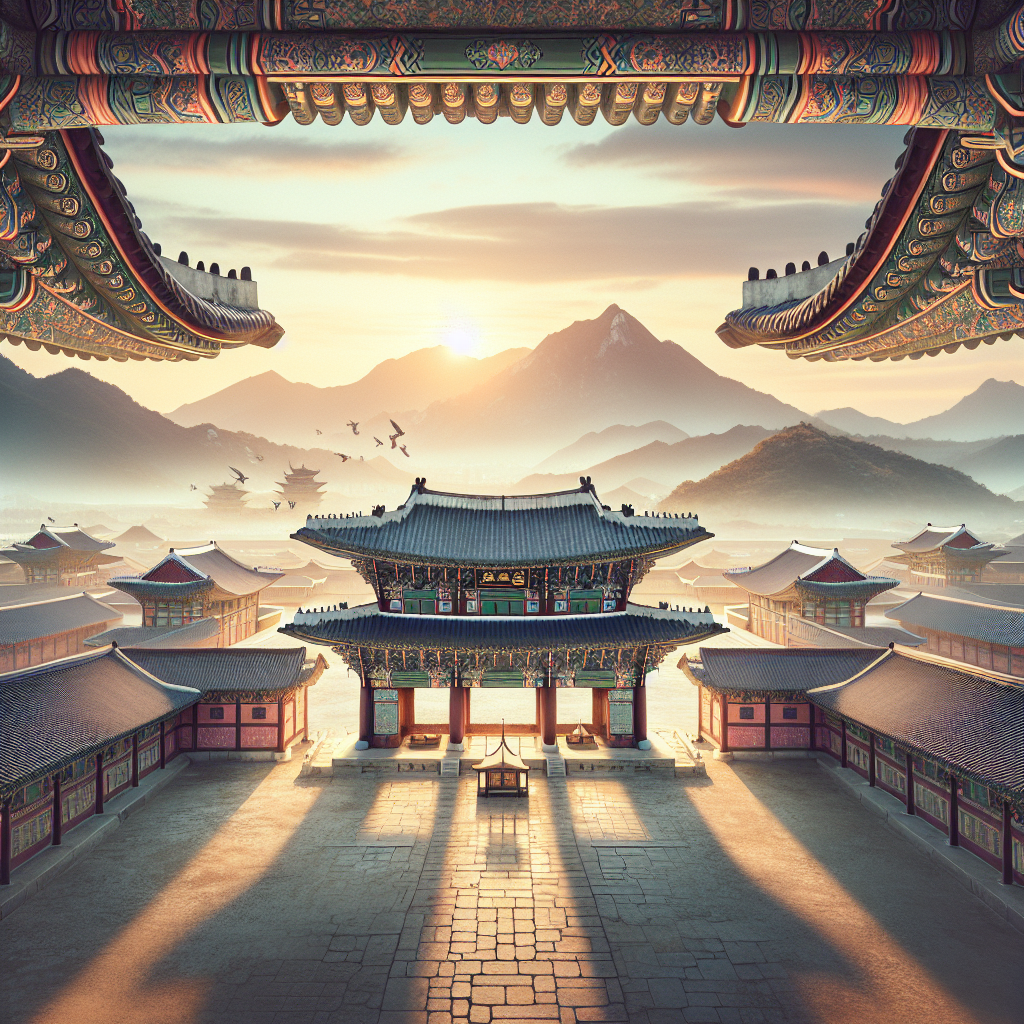
Gwanghwamun Gate is the main entrance to Gyeongbokgung Palace and one of the most recognizable landmarks in Seoul. The gate stands at the end of Gwanghwamun Square, creating a powerful view with the palace, the city, and the mountain behind it.
This is one of the best places to start your visit. The contrast between modern Seoul's skyscrapers and the traditional palace gate makes it a symbolic photo spot. Many travelers take their first hanbok photos here before entering the palace.
2. Geunjeongjeon Hall
Geunjeongjeon Hall is the main throne hall of Gyeongbokgung Palace. This is where important royal ceremonies, official meetings, and state events took place during the Joseon Dynasty. The large stone courtyard in front was designed for royal officials to stand according to rank.
The hall's architecture is impressive—colorful dancheong patterns, elegant rooflines, and a real sense of authority. For visitors interested in Korean history, this is one of the most meaningful places in the entire palace complex.
3. Gyeonghoeru Pavilion
Gyeonghoeru Pavilion is one of the most beautiful spots in Seoul - Gyeongbokgung. Built on an artificial pond, this pavilion was used for royal banquets and important diplomatic events. The reflection of the pavilion on the water is especially beautiful on clear days.
If you're looking for the most photogenic place inside Gyeongbokgung, Gyeonghoeru Pavilion should be high on your list. It's particularly lovely in spring when flowers bloom, in autumn when the trees turn red and gold, and in winter when snow covers the palace grounds.
4. Hyangwonjeong Pavilion
Hyangwonjeong Pavilion is a smaller but incredibly charming pavilion surrounded by a peaceful pond. Compared to the grand scale of Geunjeongjeon Hall and Gyeonghoeru Pavilion, Hyangwonjeong feels softer and more intimate. It's a lovely place to slow down, enjoy the scenery, and take elegant photos.
Many visitors say this area feels like a scene from a Korean historical drama. The gentle colors, wooden bridge, water, trees, and mountain background create a romantic atmosphere.
5. The National Folk Museum of Korea
Located inside the palace grounds, the National Folk Museum of Korea is a great addition to your Gyeongbokgung visit. It helps foreign visitors understand Korean daily life, traditions, seasonal customs, family culture, and historical lifestyles.
If you're traveling with children or want deeper cultural context, this museum is worth visiting. It also provides a good indoor break during hot summer days or cold winter afternoons.
Changing of the Royal Guard Ceremony at Gyeongbokgung
One of the highlights of visiting Gyeongbokgung Palace in Seoul is watching the Changing of the Royal Guard Ceremony. This colorful reenactment takes place near Gwanghwamun Gate and shows how royal guards changed shifts during the Joseon Dynasty.
The ceremony features traditional costumes, musical instruments, flags, and formal movements. It's visually impressive, easy to understand even if you don't speak Korean, and completely free to watch.
What to Know Before Watching
- Best viewing spot: Near Gwanghwamun Gate, just outside or around the main entrance area.
- Arrive early: Come at least 10 to 15 minutes before the ceremony for a better view.
- Photography: Photos are allowed, but be respectful and avoid blocking the performers.
- Weather: The ceremony may be canceled during bad weather or special events.
- Schedule: Check the official palace website or tourist information center for the latest schedule before your visit.
I personally recommend watching the ceremony before entering the palace—it really gives the whole visit a more dramatic and historical feeling. When I visited, I arrived a little early and stood near the front gate, and that made a big difference for photos. If you're wearing hanbok, this moment feels even more special, so don't rush through it.
Hanbok Rental Near Gyeongbokgung: A Classic Seoul Experience
One of the most popular activities around Seoul - Gyeongbokgung is renting a hanbok, Korea's traditional clothing. Around Gyeongbokgung Station, Bukchon, and Insadong, you'll find many hanbok rental shops offering styles for women, men, couples, families, and children.
Wearing hanbok while walking through the palace creates a memorable travel experience and gives you beautiful photos. Many foreign tourists say this becomes one of the highlights of their Seoul trip.
Why Rent a Hanbok at Gyeongbokgung?
- Free palace admission: Visitors wearing hanbok can usually enter Gyeongbokgung Palace for free.
- Beautiful photos: The palace architecture creates the perfect background.
- Many styles available: Choose from traditional, modern, elegant, royal, or colorful designs.
- Easy access: Rental shops are within walking distance of the palace.
- Foreigner-friendly service: Many shops provide basic English support and simple rental packages.
Hanbok Rental Tips for Foreign Travelers
- Book in advance during spring, autumn, and weekends because popular shops can get crowded.
- Choose comfortable shoes if you plan to walk around the palace and Bukchon Hanok Village.
- Check whether hairstyling, accessories, bags, and lockers are included in the rental price.
- For the best photos, choose colors that contrast with palace walls, like deep red, navy, pastel pink, cream, or emerald green.
- If visiting in winter, wear thermal layers underneath because hanbok can be light.
- If visiting in summer, choose lighter fabrics and plan your visit early in the morning.
Best Photo Spots at Gyeongbokgung Palace
Gyeongbokgung Palace is one of the best photography locations in Seoul. Whether you're a casual traveler, Instagram creator, couple, family, or solo visitor, the palace offers many scenic backgrounds.
Recommended Photo Locations
- Gwanghwamun Gate: Best for iconic entrance photos and wide-angle shots.
- Geunjeongjeon Courtyard: Best for grand palace photos with symmetrical composition.
- Gyeonghoeru Pavilion: Best for water reflections and elegant landscape photos.
- Hyangwonjeong Pavilion: Best for romantic, calm, and drama-like photos.
- Stone walls and side paths: Best for quieter portraits away from the crowds.
- Palace gates between courtyards: Best for framed shots and traditional Korean architectural details.
Best Time for Photos
The best time to take photos at Seoul - Gyeongbokgung is usually in the morning, shortly after opening. The light is softer, the palace is less crowded, and hanbok rental shops have fresher selections. Late afternoon can also be beautiful, especially when the sun creates warm colors on the palace roofs.
- Spring: Cherry blossoms and fresh greenery make the palace look romantic.
- Summer: Bright skies and lush trees create vivid photos, but it can be hot.
- Autumn: Red and golden leaves make this one of the best seasons for photography.
- Winter: Snowy palace scenes are magical, though you'll need warm clothing.
Korean Drama, Film, and K-Culture Connections Around Gyeongbokgung
While many Korean historical dramas are filmed on dedicated palace sets or at other heritage locations, Gyeongbokgung Palace strongly represents the royal atmosphere that international fans recognize from Korean period dramas. If you love K-dramas featuring kings, queens, palace politics, royal guards, and hanbok, visiting Gyeongbokgung feels like stepping into the visual world of a historical series.
The area around Gyeongbokgung also appears frequently in Korean travel shows, variety programs, documentary-style broadcasts, and Seoul promotional videos. Because it's one of Korea's most recognizable landmarks, it's often used as a symbolic location for introducing Seoul to international audiences.
For K-Pop Fans Visiting Seoul
Seoul - Gyeongbokgung isn't a K-pop concert venue or entertainment agency district, but it's still meaningful for K-pop fans who want to understand Korean culture more deeply. Many K-pop music videos, stage costumes, and concept photos borrow elements from hanbok, traditional patterns, palace aesthetics, and Korean heritage. Visiting Gyeongbokgung helps you recognize those cultural references more clearly.
If your Seoul itinerary includes K-pop-related areas like Hongdae, Myeongdong, Seongsu, or Gangnam, Gyeongbokgung adds an important cultural balance to your trip. It shows the historical side of Korea behind the modern global popularity of K-pop and K-dramas.
Nearby Attractions to Visit with Gyeongbokgung
One of the best parts of visiting Gyeongbokgung Palace in Seoul is that it's surrounded by some of the city's most attractive cultural neighborhoods. You can easily build a full-day itinerary around the palace without spending much time on transportation.
1. Bukchon Hanok Village
Bukchon Hanok Village is a traditional Korean neighborhood filled with hanok houses, narrow alleys, craft shops, galleries, and cafes. It's within walking distance from Gyeongbokgung and is one of the most popular places to visit after the palace.
The village is beautiful, but it's also a residential area. Visitors should keep noise levels low, avoid entering private property, and respect local residents. Early morning is the best time to visit if you want fewer crowds.
2. Insadong
Insadong is famous for traditional tea houses, souvenir shops, art galleries, calligraphy stores, ceramics, Korean crafts, and street snacks. It's a great place to buy gifts like bookmarks, fans, pottery, Korean stationery, tea, and small traditional items.
Foreign travelers often enjoy Insadong because it's easy to explore on foot and has a strong cultural atmosphere. It's also a good place to try traditional Korean tea and desserts after walking around Gyeongbokgung.
3. Samcheong-dong
Samcheong-dong is a stylish neighborhood near Gyeongbokgung known for boutique cafes, small restaurants, design shops, galleries, and peaceful streets. It blends traditional Korean charm with modern Seoul aesthetics.
If you enjoy slow travel, photography, coffee, and local shops, Samcheong-dong is one of the best areas to wander after your palace visit.
4. Gwanghwamun Square
Gwanghwamun Square is located directly in front of Gyeongbokgung Palace. It features statues of King Sejong the Great and Admiral Yi Sun-sin, two of the most respected figures in Korean history.
This area is spacious, photogenic, and meaningful. It also connects easily to Cheonggyecheon Stream, City Hall, and other central Seoul landmarks.
5. The Blue House Area
The former presidential office, commonly known as the Blue House or Cheong Wa Dae, is located near Gyeongbokgung. Depending on current visitor policies, travelers may be able to tour parts of the area. Even if you don't enter, the surrounding district offers scenic mountain views and a more peaceful atmosphere compared to central shopping areas.
Foreigner-Friendly Restaurants Near Gyeongbokgung
After exploring Seoul - Gyeongbokgung, you'll probably want a good meal nearby. The area around Gyeongbokgung, Seochon, Samcheong-dong, and Insadong has many restaurants that foreign visitors tend to enjoy. You can find traditional Korean food, vegetarian-friendly options, cafes, bakeries, and casual dining spots.
Recommended Korean Dishes to Try Nearby
- Samgyetang: Korean ginseng chicken soup, especially popular in summer but delicious year-round.
- Bibimbap: Rice mixed with vegetables, egg, meat, and gochujang sauce. A good choice for first-time Korean food visitors.
- Bulgogi: Sweet and savory marinated beef, usually easy for foreign travelers to enjoy.
- Jeon: Korean savory pancakes, often served with makgeolli rice wine.
- Tteokbokki: Spicy rice cakes, great as a street snack near traditional districts.
- Korean traditional tea and desserts: Perfect after walking around the palace in hanbok.
Popular Dining Areas Around the Palace
- Seochon: Located west of Gyeongbokgung, this neighborhood has cozy restaurants, cafes, bakeries, and local-style eateries.
- Samcheong-dong: Good for stylish cafes, fusion Korean food, brunch, and dessert spots.
- Insadong: Best for traditional Korean meals, tea houses, temple-style food, and souvenir shopping.
- Gwanghwamun: Offers more modern restaurants, international options, and business-district dining.
Restaurant Tips for Foreign Visitors
- Lunch hours around Gwanghwamun can be crowded because many office workers eat there.
- Use translation apps if the menu is only in Korean, but many popular spots near tourist areas have picture menus.
- If you have dietary restrictions, prepare a translated note in Korean for allergies, vegetarian preferences, halal needs, or no-spicy requests.
- Traditional tea houses in Insadong are a relaxing option if you want something lighter than a full meal.
- Seochon is excellent if you prefer smaller local restaurants and less touristy streets.
My realistic tip is to avoid eating right at the busiest palace entrance if you want a calmer meal. I usually walk a little toward Seochon or Samcheong-dong, where the streets feel more relaxed and the cafes are lovely. After a long walk inside Gyeongbokgung, sitting down with warm tea or a simple Korean meal feels genuinely rewarding.
Suggested One-Day Itinerary for Seoul - Gyeongbokgung
If you want to make the most of Gyeongbokgung Palace and the surrounding neighborhoods, here's an efficient one-day route for foreign travelers. This itinerary balances sightseeing, culture, photography, food, and walking time.
Morning: Hanbok and Palace Visit
- Arrive at Gyeongbokgung Station in the morning.
- Rent a hanbok from a nearby rental shop.
- Watch the Changing of the Royal Guard Ceremony if the schedule matches.
- Enter Gyeongbokgung Palace and explore Gwanghwamun Gate, Geunjeongjeon Hall, Gyeonghoeru Pavilion, and Hyangwonjeong Pavilion.
- Take photos before the palace gets too crowded.
Lunch: Seochon or Insadong
After returning your hanbok, head to Seochon or Insadong for lunch. If you want a traditional meal, Insadong is a reliable choice. If you prefer cozy local streets and cafes, Seochon is excellent.
Afternoon: Bukchon Hanok Village and Samcheong-dong
- Walk toward Bukchon Hanok Village for traditional architecture and scenic alleys.
- Continue to Samcheong-dong for coffee, dessert, galleries, and boutique shopping.
- Take a break at a cafe with a hanok or rooftop-style view if available.
Evening: Gwanghwamun and Cheonggyecheon
In the evening, walk back toward Gwanghwamun Square and continue to Cheonggyecheon Stream if you still have energy. The stream is especially nice after sunset, with lights, water, and a peaceful atmosphere in the middle of the city.
Essential Travel Tips for Visiting Gyeongbokgung Palace
To make your visit smoother, keep these practical tips in mind before going to Seoul - Gyeongbokgung.
Opening Hours and Closed Days
Gyeongbokgung Palace is usually closed on Tuesdays, but opening hours can vary by season and special events. Always check the latest official information before your visit, especially during holidays, extreme weather, or national events.
Admission
The entrance fee is generally affordable. Visitors wearing hanbok can usually enter for free, which is one of the reasons hanbok rental is so popular around the palace. Group tickets and integrated palace tickets may also be available if you plan to visit multiple royal palaces in Seoul.
Guided Tours
Free or low-cost guided tours may be available in English and other languages depending on the day and schedule. A guided tour can make the visit much more meaningful because the palace layout, royal symbolism, and Joseon Dynasty history are easier to understand with explanations.
What to Wear
- Comfortable shoes: The palace grounds are large, and you'll walk on stone paths and uneven surfaces.
- Seasonal clothing: Seoul can be very hot in summer and very cold in winter.
- Sun protection: Bring sunscreen, sunglasses, or a hat in summer.
- Warm layers: Bring gloves, scarves, and thermal clothing in winter.
Accessibility
Some areas of the palace have wide paths, but there are also stone surfaces, steps, and historic structures that may be challenging for wheelchair users or travelers with limited mobility. If accessibility is a priority, it's best to check official visitor guidance in advance and plan a shorter route focusing on the main courtyards.
Best Seasons to Visit Gyeongbokgung Palace
Gyeongbokgung Palace in Seoul is beautiful all year, but each season offers a different atmosphere. Your best time to visit depends on your travel style, weather preference, and photography goals.
Spring
Spring is one of the most popular times to visit Seoul. Flowers bloom around the city, and the palace feels fresh and romantic. Cherry blossom season can be crowded, but it's also one of the most beautiful times for hanbok photography.
Summer
Summer at Gyeongbokgung is green and vibrant, but it can be hot and humid. If you visit in summer, arrive early in the morning, drink plenty of water, and take breaks in museums or cafes nearby.
Autumn
Autumn is arguably the best season for Seoul - Gyeongbokgung. The weather is comfortable, the sky is often clear, and the autumn leaves create stunning scenery. This is an ideal season for walking, photography, and nearby neighborhood exploration
Winter
Winter in Gyeongbokgung offers a serene and quiet atmosphere. If you're lucky enough to visit after a snowfall, the sight of white snow covering the traditional roofs is truly magical. It’s a peaceful time for those who want to avoid the large crowds of spring and autumn, though you should definitely dress warmly for the chilly Seoul wind.
Final Thoughts: Your Journey into Korea's Royal Past
Visiting Gyeongbokgung Palace is more than just a sightseeing stop—it’s a deep dive into the soul of Korean heritage. Whether you’re walking through the grand courtyards in a colorful hanbok, watching the majestic Changing of the Guard, or exploring the trendy alleys of nearby Seochon and Samcheong-dong, the palace offers a unique bridge between the past and the present.
For any first-time visitor to Seoul, this royal landmark provides the perfect introduction to the city's beauty and history. Take your time, enjoy the architecture, and don't forget to capture those memories. Your journey through Korea’s royal past starts right here at the Gwanghwamun Gate.
댓글
댓글 쓰기