Seoul Food Travel Guide
Seoul Gwangjang Market: A Complete Guide to Korea’s Most Delicious Traditional Market
If you want to taste real Korean street food, feel old Seoul energy, and visit one of the city’s most iconic food destinations, Seoul Gwangjang Market deserves a top spot on your itinerary.
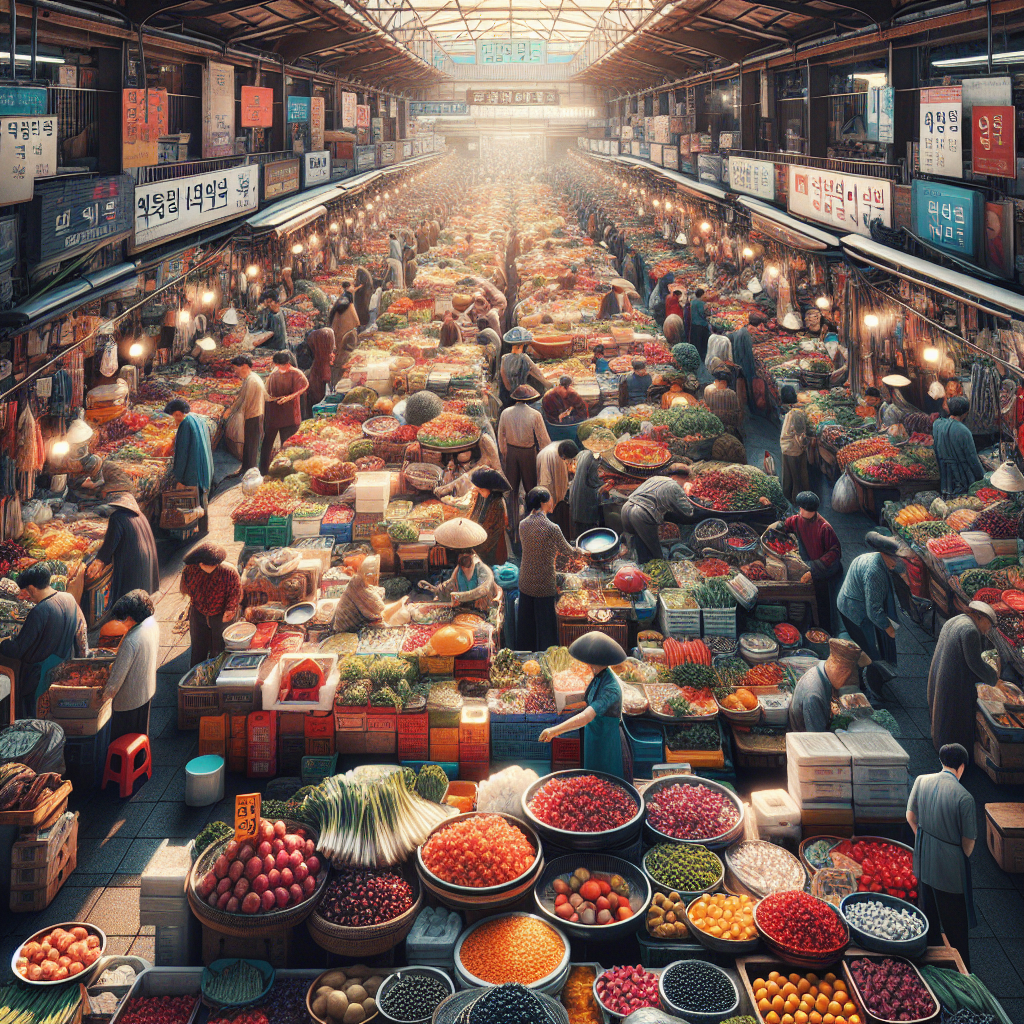
Seoul Gwangjang Market is one of the oldest and most beloved traditional markets in South Korea. Located in Jongno-gu, the historic center of Seoul, it is famous for sizzling bindaetteok, colorful mayak gimbap, chewy tteokbokki, handmade noodles, fresh seafood, vintage clothing, hanbok shops, and a lively atmosphere that feels both nostalgic and incredibly energetic. For many foreign travelers, this is the place where “Korean food in Seoul” becomes a real memory rather than just a search result.
Unlike polished shopping malls or modern food courts, Gwangjang Market is loud, warm, crowded, aromatic, and wonderfully human. You sit shoulder to shoulder with locals, point at steaming dishes, hear vendors calling out orders, and watch food being cooked right in front of you. It is also a popular stop for visitors interested in Korean culture, food documentaries, and Seoul filming-location-style experiences, because the market captures the kind of everyday Korean atmosphere often seen in Korean dramas and travel shows.
Quick summary: Visit Seoul Gwangjang Market for authentic Korean street food, go slightly before lunch or dinner rush, bring some cash, and try at least three dishes: bindaetteok, mayak gimbap, and yukhoe if you enjoy raw beef.
Why Seoul Gwangjang Market Is a Must-Visit for Foreign Travelers
Seoul Gwangjang Market is not just a place to eat; it is a cultural experience. Established in the early 20th century, the market has survived dramatic changes in Seoul while keeping its old-market soul. Today, it attracts everyone from office workers and elderly regulars to backpackers, food bloggers, families, and travelers following Netflix food recommendations.
What makes the market special is the balance between accessibility and authenticity. You do not need advanced Korean skills to enjoy it, but you still get a strong local feeling. Many popular food stalls are used to international visitors, menus often include photos, and the dishes are easy to order by pointing. At the same time, the market has not lost its everyday Seoul character.
Top Reasons to Visit Gwangjang Market
- Authentic Korean street food: The market is one of the best places in Seoul to try traditional dishes in a casual setting.
- Historic atmosphere: It is one of Korea’s oldest permanent markets, with a charm that modern shopping districts cannot copy.
- Easy location: It is close to Jongno, Dongdaemun, Cheonggyecheon Stream, and several subway stations.
- Netflix and global media fame: Some food stalls became internationally known after appearing in food documentaries and travel content.
- Great for first-time visitors: Even if you are new to Korean food, you can sample many small dishes in one place.
- Excellent photography: The food alleys, neon signs, steam, and colorful counters create beautiful travel photos.
If Myeongdong is polished and tourist-centered, and Hongdae is youthful and trendy, then Gwangjang Market is where Seoul feels earthy, flavorful, and direct. It is the kind of place where you understand why Korean cuisine is so deeply connected to sharing, speed, comfort, and seasonality.
Best Foods to Eat at Seoul Gwangjang Market
The biggest reason people search for Seoul Gwangjang Market is simple: food. The market is packed with stalls serving classic Korean street food and comfort dishes. Some foods are ideal for beginners, while others are more adventurous. Below are the must-try dishes, including what they taste like and who will enjoy them most.
1. Bindaetteok: Crispy Mung Bean Pancake
Bindaetteok is probably the most iconic food at Gwangjang Market. It is a savory pancake made from ground mung beans, usually mixed with bean sprouts, pork, kimchi, or vegetables, then fried until golden and crisp. The outside is crunchy, the inside is soft and hearty, and the flavor is nutty and comforting.
You will often see large griddles filled with sizzling pancakes near the market entrance. The smell is almost impossible to ignore. Bindaetteok is commonly served with a soy-based dipping sauce and sliced onions. It pairs beautifully with makgeolli, a lightly sweet Korean rice wine.
- Best for: First-time visitors, vegetarians if ordered without meat, and anyone who loves crispy fried food.
- Flavor profile: Nutty, savory, crispy, filling.
- Tip: Order one pancake to share if you plan to try several other foods.
2. Mayak Gimbap: Addictive Mini Seaweed Rice Rolls
Mayak gimbap literally translates to “drug gimbap,” not because it contains anything strange, but because Koreans jokingly say it is addictive. These small seaweed rice rolls are usually filled with simple ingredients like pickled radish, carrot, and seasoned vegetables. The magic is in the mustard-soy dipping sauce.
Compared to regular gimbap, mayak gimbap is smaller, lighter, and easier to snack on while exploring the market. It is one of the safest choices for visitors who want something not too spicy. It is also a great dish for children or travelers who prefer familiar textures.
- Best for: Light snackers, families, vegetarians, and travelers avoiding spicy food.
- Flavor profile: Savory, slightly sweet, tangy from the mustard sauce.
- Tip: Dip lightly at first because the mustard sauce can be stronger than expected.
3. Yukhoe: Korean Beef Tartare
For adventurous food lovers, yukhoe is a must-try dish at Seoul Gwangjang Market. It is Korean-style beef tartare, usually seasoned with sesame oil, garlic, soy sauce, sugar, and topped with raw egg yolk. It is often served with thinly sliced Korean pear, which adds crisp sweetness to the rich beef.
Gwangjang Market is especially famous for its yukhoe alley, where several restaurants specialize in raw beef dishes. One of the most well-known names is Buchon Yukhoe, which gained global attention after appearing in Netflix’s food content. Because of that, you may see a line, especially during peak dining hours.
- Best for: Foodies, raw beef lovers, and travelers seeking a unique Korean dining experience.
- Flavor profile: Rich, silky, nutty, slightly sweet, garlicky.
- Tip: If you are sensitive to raw foods, choose cooked dishes instead. Always eat yukhoe at busy, reputable places with high turnover.
4. Tteokbokki: Spicy Rice Cakes
Tteokbokki is one of Korea’s most recognizable street foods. At Gwangjang Market, the rice cakes are usually served in a thick red sauce made with gochujang, Korea’s famous red chili paste. The texture is chewy and satisfying, while the sauce is spicy, sweet, and deeply savory.
Many stalls also serve fish cakes, boiled eggs, and fried snacks that can be dipped into the tteokbokki sauce. If you are interested in Korean pop culture, this is the type of food you will often see in K-dramas when characters eat at street stalls after school, work, or a late-night date.
- Best for: K-drama fans, spice lovers, and travelers who want classic Korean street food.
- Flavor profile: Spicy, sweet, chewy, bold.
- Tip: Ask whether it is spicy before ordering if you have a low spice tolerance.
5. Kalguksu and Mandu: Handmade Noodles and Dumplings
Another comforting choice at Gwangjang Market is kalguksu, handmade knife-cut noodle soup. The noodles are thick, soft, and irregular in the best way, giving them a homemade texture. The broth is usually warm, mild, and soothing, making it perfect during Seoul’s chilly months.
You can also try mandu, Korean dumplings filled with pork, tofu, glass noodles, kimchi, or vegetables. Some stalls serve dumplings in soup, while others offer steamed or pan-fried versions.
- Best for: Travelers looking for a warm meal, non-spicy options, and traditional comfort food.
- Flavor profile: Mild, savory, soft, homemade.
- Tip: If you visit in winter, noodle soup is one of the most satisfying dishes in the market.
Famous Food Stalls and Restaurants Inside Gwangjang Market
One of the joys of Seoul Gwangjang Market is wandering and choosing by sight, smell, and energy. However, if you prefer to plan ahead, these are some popular food options that many international visitors enjoy. Names and opening hours can change, so it is wise to check recent map reviews before visiting.
| Place or Area |
What to Try |
Why Foreign Travelers Like It |
| Buchon Yukhoe |
Yukhoe, raw beef bibimbap |
Globally known, famous for Korean beef tartare, often mentioned in food travel content. |
| Bindaetteok stalls near the main food alley |
Mung bean pancakes, makgeolli |
Very visual, easy to order, and one of the most iconic Gwangjang Market foods. |
| Mayak gimbap vendors |
Mini gimbap with mustard dipping sauce |
Affordable, easy to share, and not too spicy. |
| Kalguksu noodle stalls |
Knife-cut noodles, dumplings |
Warm, filling, and suitable for travelers who want mild Korean flavors. |
My personal tip is to avoid sitting down at the very first stall you see, even if it looks tempting. I usually walk through the main food alley once, check which stalls have fast turnover, then go back to the one that feels right. When I visited during a rainy afternoon, the hot bindaetteok with a small bowl of dipping sauce tasted even better than I expected, and sharing a tiny counter seat with locals made the whole meal feel very Seoul.
K-Drama, Korean Culture, and K-Pop Fan Appeal Around Gwangjang Market
Gwangjang Market is not mainly a K-pop landmark like HYBE in Yongsan or K-Star Road in Gangnam, but it has strong appeal for fans of Korean entertainment because it represents the Seoul that appears again and again in dramas, variety shows, food documentaries, and celebrity travel videos. If you have watched Korean dramas where characters eat tteokbokki, noodles, pancakes, or gimbap in a busy market, Gwangjang gives you that atmosphere in real life.
Korean dramas often use markets as emotional spaces: places where families run food stalls, couples share cheap snacks, friends heal over comfort food, or characters return to their roots. While not every scene is filmed at Seoul Gwangjang Market, the market’s alleys and food counters strongly resemble the kind of traditional Seoul locations featured in many Korean productions.
Why K-Drama Fans Enjoy Gwangjang Market
- Street food seen in dramas: Tteokbokki, gimbap, noodles, fish cake, and pancakes are all common K-drama comfort foods.
- Old Seoul atmosphere: The market feels cinematic, especially in the evening when signs glow and steam rises from food stalls.
- Human connection: Sitting at a counter beside strangers is a very Korean-style food experience.
- Great before or after visiting filming neighborhoods: Jongno, Ikseon-dong, Insadong, and Dongdaemun are nearby and often appear in cultural travel content.
K-Pop Fans: How to Add Gwangjang Market to a Seoul Fan Trip
If your Seoul trip includes K-pop-related stops, Gwangjang Market works well as a food break between entertainment-agency neighborhoods, shopping districts, and concert venues. It is not a fan merchandise destination, but it is perfect for tasting the food that idols often mention in livestreams, variety shows, and behind-the-scenes content.
- Before a concert: Eat a filling but quick meal such as mayak gimbap and bindaetteok before heading to a venue.
- After shopping: Combine the market with Dongdaemun shopping or Insadong souvenir hunting.
- For content-style photos: Capture food shots that look similar to Korean variety-show food scenes.
- For group travel: The market is good for friends because everyone can choose different dishes and share.
How to Get to Seoul Gwangjang Market
Seoul Gwangjang Market is located in Jongno-gu, one of the most convenient areas for travelers. The market is easy to reach by subway, bus, taxi, or on foot from nearby attractions.
Best Subway Stations
- Jongno 5-ga Station, Line 1: The closest and most common station. Use Exit 7 or Exit 8 depending on your route.
- Euljiro 4-ga Station, Lines 2 and 5: A convenient option if you are coming from Myeongdong, City Hall, or eastern Seoul.
- Dongdaemun Station: Walkable if you are exploring Dongdaemun and want to continue toward the market.
If you are using navigation apps, search for Gwangjang Market or Gwangjang Sijang. In Korea, Naver Map and KakaoMap are usually more accurate than Google Maps for walking routes and public transportation.
Suggested Route for First-Time Visitors
- Take the subway to Jongno 5-ga Station.
- Exit toward Gwangjang Market and follow signs or map directions.
- Enter the main food alley and walk slowly before choosing what to eat.
- Try one main dish and one snack rather than ordering too much at one stall.
- After eating, walk to Cheonggyecheon Stream, Dongdaemun, or Ikseon-dong.
Traveler tip: If you are staying in Myeongdong, the market is close enough for a short subway or taxi ride. It is a great alternative when you want something more local than Myeongdong street food.
Best Time to Visit Gwangjang Market
Timing can change your entire experience at Seoul Gwangjang Market. The market can be exciting when crowded, but it can also feel overwhelming if you visit during peak hours without a plan.
Recommended Visiting Times
- Late morning: Good for avoiding the biggest crowds while still finding many food stalls open.
- Early lunch: Lively atmosphere, fresh food, and a good balance of locals and tourists.
- Late afternoon: Great for photography and snacking before dinner.
- Evening: More atmospheric, but some popular places may have lines.
When to Avoid
- Exact lunch rush: Around 12:00 to 1:30 p.m., seats may be harder to find.
- Weekend peak hours: Crowds can be intense, especially around famous stalls.
- Very late night: Some sections close earlier than nightlife districts, so do not assume everything stays open.
For the best balance, visit around 10:30 a.m. to 11:30 a.m. or 3:00 p.m. to 5:00 p.m.. You can enjoy the market with more space, better photos, and less pressure when ordering.
What to Buy Besides Food: Hanbok, Fabric, Souvenirs, and Vintage Finds
While food is the main reason most travelers visit Gwangjang Market, the market is also famous for textiles, hanbok, bedding, traditional clothing, and vintage fashion. If you enjoy shopping, leave time to explore beyond the central food alley.
Hanbok and Traditional Goods
Gwangjang Market has long been known for fabric and hanbok shops. You can find colorful Korean traditional clothing, accessories, silk, and custom-made garments. Even if you do not buy anything, the colors and textures are beautiful to see.
If you are planning to visit Gyeongbokgung Palace or Bukchon Hanok Village, you may consider comparing hanbok rental and purchase options. Most short-term visitors rent hanbok near palaces, but Gwangjang is interesting for those who want to see the textile side of Korean traditional clothing.
Vintage Clothing Area
Some areas of the market are known for secondhand and vintage clothes. This can be especially fun for travelers who like unique fashion pieces, retro jackets, military-style items, or affordable streetwear. The experience is more treasure-hunt than boutique shopping, so patience helps.
- Best for: Vintage lovers, budget shoppers, and travelers looking for unusual Seoul souvenirs.
- Tip: Check quality carefully, and do not be afraid to browse slowly.
- Payment: Some vendors may prefer cash, especially for smaller purchases.
Nearby Attractions to Combine with Seoul Gwangjang Market
One of the best things about Seoul Gwangjang Market is its central location. You can easily combine it with historic sites, trendy alleys, shopping districts, and relaxing walks.
1. Cheonggyecheon Stream
Cheonggyecheon Stream is a restored urban stream that runs through central Seoul. After eating at Gwangjang Market, walking along the stream is a refreshing way to digest and enjoy the city. It is especially pleasant in the evening when lights reflect on the water.
2. Dongdaemun Design Plaza and Dongdaemun Shopping
Dongdaemun Design Plaza, also known as DDP, is one of Seoul’s most futuristic landmarks. Designed by Zaha Hadid, it contrasts beautifully with the traditional energy of Gwangjang Market. K-pop fans may also enjoy Dongdaemun because concerts, exhibitions, pop-up events, and fashion-related activities sometimes happen in the area.
3. Ikseon-dong Hanok Village
Ikseon-dong is a trendy hanok neighborhood filled with cafes, restaurants, boutiques, and photo spots. It has appeared frequently in Korean lifestyle content and is popular among young Koreans. You can visit Gwangjang Market for traditional food, then move to Ikseon-dong for dessert and coffee.
4. Insadong
Insadong is a great place for traditional souvenirs, tea houses, calligraphy goods, ceramics, and Korean crafts. It is a natural pairing with Gwangjang Market if you want a full cultural day in central Seoul.
5. Jongmyo Shrine
Jongmyo Shrine, a UNESCO World Heritage Site, is close to the market and offers a quieter historical experience. It is ideal for travelers interested in Korean royal history, Confucian rituals, and peaceful architecture.
Foreigner-Friendly Restaurants and Cafes Near Gwangjang Market
The market itself has plenty of food, but you may want a sit-down restaurant, dessert cafe, or more relaxed dining option nearby. Here are areas and types of places foreign visitors often enjoy around Seoul Gwangjang Market.
Yukhoe Restaurants Inside and Around the Market
If you are specifically visiting for yukhoe, look for restaurants in the raw beef alley inside Gwangjang Market. These places usually specialize in yukhoe, beef sashimi, and raw beef bibimbap. They are popular with both locals and tourists, and some have English-friendly menus or photo menus.
Ikseon-dong Cafes
For travelers who want coffee and dessert after the market, Ikseon-dong is an excellent choice. Many cafes are inside renovated hanok houses, offering beautiful interiors and Korean-style desserts. This is a good option if the market feels too busy and you want somewhere calmer to sit.
- Recommended for: Couples, solo travelers, cafe lovers, and Instagram-style photos.
- What to order: Einspanner coffee, matcha latte, traditional tea, rice cake desserts, or seasonal cakes.
- Atmosphere: Trendy, photogenic, and more relaxed than the market.
Dongdaemun Korean BBQ and Late-Night Restaurants
If you want a bigger meal after exploring, Dongdaemun has many Korean BBQ restaurants, chicken restaurants, and casual eateries. This is useful for travelers staying near Dongdaemun or those planning nighttime shopping.
Korean fried chicken is a safe and popular choice for foreign visitors because it is easy to share and comes in many flavors, from original crispy to soy garlic and spicy yangnyeom. If your group has mixed food preferences, chicken restaurants can be easier than specialized market stalls.
Insadong Traditional Tea Houses
If you want a more cultural and quiet experience, visit a tea house in Insadong. Traditional Korean teas such as omija tea, jujube tea, citron tea, and plum tea are popular with visitors. These tea houses are especially nice in winter or on rainy days.
Practical Tips for Visiting Seoul Gwangjang Market
Gwangjang Market is easy to enjoy, but a few practical tips can make your visit smoother, especially if this is your first time in a traditional Korean market.
Bring Cash, but Cards Often Work
Many stalls accept cards, but small vendors may prefer cash. It is smart to carry some Korean won in smaller bills. This makes ordering faster and helps avoid awkward moments at busy stalls.
Do Not Overorder at the First Stall
Portions can be more filling than they look. If you want to try several foods, order one dish at a time and share. A good beginner combination is one bindaetteok, one serving of mayak gimbap, and one bowl of noodles or tteokbokki.
Use Photo Menus and Pointing
You do not need fluent Korean. Many vendors understand basic food words, and pointing is completely normal. Learning a few simple phrases can still help:
- Igeo juseyo: This one, please
Be Ready for Shared Seating
At many food stalls, seating is limited and communal. You may sit close to strangers, and turnover is usually quick. This is part of the charm, but it can surprise travelers who expect restaurant-style private tables.
Check Dietary Restrictions Carefully
Korean market food often contains seafood broth, pork, eggs, sesame oil, wheat, soy, or hidden fish sauce. Vegetarian, vegan, halal, gluten-free, and allergy-sensitive travelers should ask carefully or choose simpler dishes. Mayak gimbap may look vegetarian, but sauces or preparation methods can vary.
Sample Itinerary: Half-Day Seoul Food Walk Around Gwangjang Market
If you want to build a smooth travel route around Seoul Gwangjang Market, this half-day plan works well for first-time visitors.
댓글
댓글 쓰기