Seongsan Ilchulbong Jeju Guide: Sunrise Peak Hike, UNESCO Views, Haenyeo Culture, K-Drama Nearby Spots and Best Food
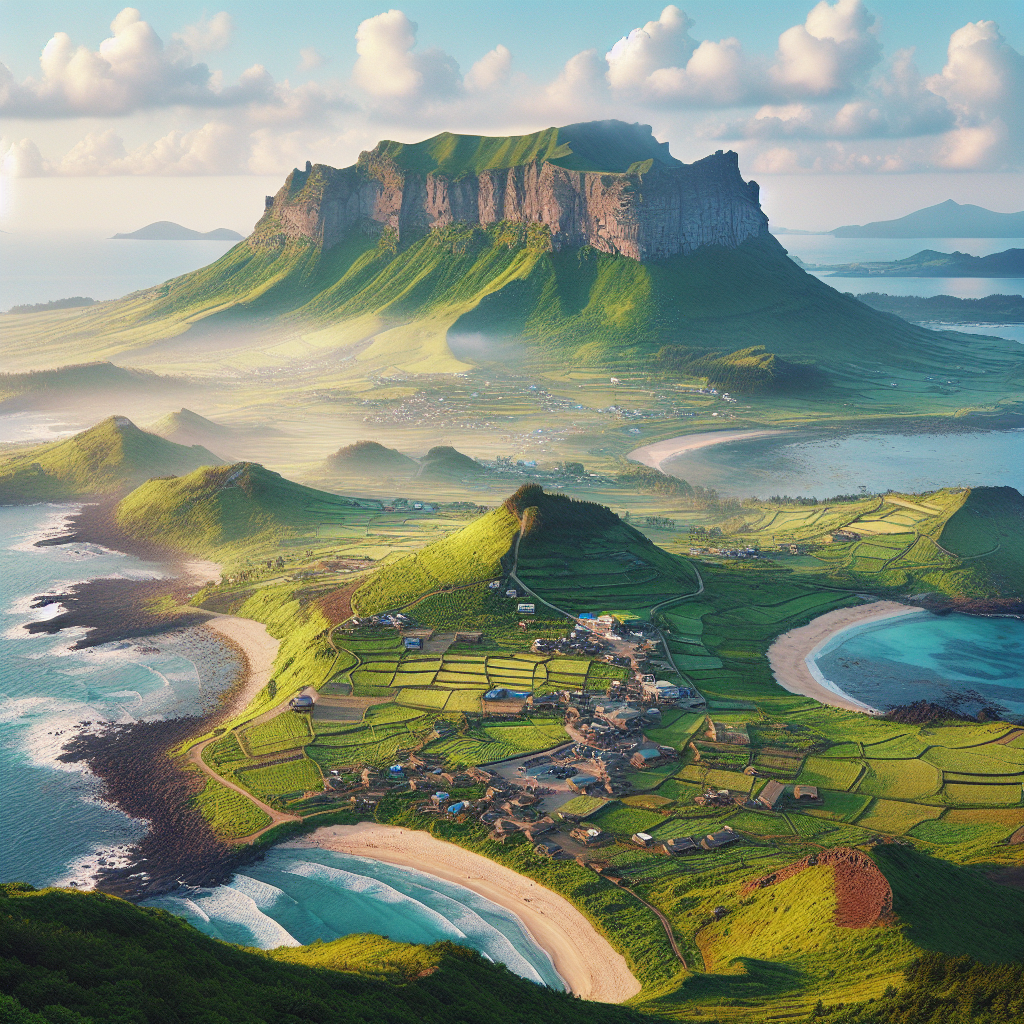
If you're planning a trip to Jeju Island, Jeju Seongsan Ilchulbong, also called Seongsan Sunrise Peak, should be at the top of your list. This UNESCO-listed volcanic tuff cone rises dramatically from the eastern coast, famous for its bowl-shaped crater, sweeping ocean views, easy hiking trail, and one of the most iconic sunrise scenes in all of Korea.
For foreign travelers, Seongsan Ilchulbong Jeju captures everything that makes Jeju unforgettable: volcanic landscapes, sea breeze, traditional haenyeo diver culture, nearby beaches, seafood restaurants, photo-worthy spots, and easy access to eastern Jeju gems like Udo Island and Seopjikoji. This guide covers how to visit, what to expect, where to eat nearby, sunrise tips, K-drama filming spots, and a practical itinerary for first-timers.
Why Seongsan Ilchulbong Is One of Jeju’s Most Famous Landmarks
Seongsan Ilchulbong is a volcanic tuff cone formed by underwater eruptions thousands of years ago. Unlike many mountains in Korea, it doesn't stretch out as a long forested ridge. Instead, it rises like a natural fortress beside the sea, with a wide crater at the top and cliffs facing the ocean. The name “Ilchulbong” means “sunrise peak,” and it's especially loved for the view of the sun rising over the East Sea.
The landscape here feels completely different from mainland Korea. The colors are vivid: black volcanic rock, deep blue water, green grass, and orange sunrise light. On clear days, you can see Udo Island floating nearby, the village of Seongsan below, fishing boats moving across the water, and the coastline of eastern Jeju stretching into the distance.
Quick Facts About Seongsan Ilchulbong
| Location | Seongsan-eup, Seogwipo-si, Jeju Island, South Korea |
|---|---|
| Also Known As | Seongsan Sunrise Peak, Ilchulbong Peak, Sunrise Peak Jeju |
| Best For | Sunrise views, light hiking, photography, UNESCO nature, Jeju coastal scenery |
| Hike Duration | Usually 20 to 30 minutes to the top, depending on pace and crowds |
| Difficulty | Easy to moderate; mostly stairs with some steep sections |
| Recommended Visit Time | Sunrise, early morning, or late afternoon for softer light |
| Nearby Highlights | Udo Island Ferry Terminal, Gwangchigi Beach, Seopjikoji, Aqua Planet Jeju, Ojo-ri village |
Opening hours, admission fees, and performance schedules may change due to weather, restoration work, or local policy. Always check the latest official information before visiting.
How to Enjoy the Seongsan Ilchulbong Sunrise Hike
The classic way to experience Seongsan Ilchulbong is to hike up before sunrise. The path is well maintained, with stairs and railings in many sections. You don't need professional hiking gear, but comfortable shoes are a must because the climb gets steep near the top.
What the Trail Feels Like
The hike starts near the ticket area and gradually climbs along a structured stairway. At first, the route feels gentle, with open views of the village and coastline. As you go higher, the stairs get more intense, but the reward comes quickly: ocean views widen behind you, and the wind turns cooler. At the summit, visitors gather along the viewing deck facing the sea and crater area.
- For beginners: Take your time. The trail is short, but the stairs can feel tiring if you rush.
- For photographers: Arrive at least 40 to 60 minutes before sunrise to secure a good spot during peak travel seasons.
- For families: Kids can usually handle the hike, but parents should watch the stairs carefully, especially in wind or rain.
- For older travelers: The climb may be challenging because of the stairs, but there are places to pause along the way.
I personally found the hike much easier when I arrived before the tour bus crowds. The air was chilly at first, but once I started climbing the stairs, I warmed up quickly. My realistic tip is to bring a light jacket and a small bottle of water, because the wind at the top can be stronger than you expect, especially around sunrise.
Best Time to Visit Seongsan Sunrise Peak
Sunrise is the most famous time, but it's not the only good time. If you don't want to wake up extremely early, late afternoon is also beautiful. The light becomes warm, the grass glows softly, and the ocean often looks more dramatic.
| Sunrise | Best for iconic views and photography. It can be crowded, especially during holidays and New Year’s season. |
|---|---|
| Morning | Great for clear views, fewer shadows, and combining the visit with Udo Island or Gwangchigi Beach. |
| Afternoon | Good for relaxed sightseeing, but summer heat can make the stairs feel harder. |
| Late Afternoon | Excellent for soft lighting and photography from nearby beaches looking back toward the peak. |
What to See at Seongsan Ilchulbong Besides the Summit
Many visitors just climb up and leave, but the area around Jeju Seongsan Ilchulbong has more to offer. If you slow down, you can enjoy coastal walks, cultural performances, black volcanic rock formations, and scenic photo spots at the base of the peak.
1. The Crater View at the Top
The crater at the summit is the signature feature of Seongsan Ilchulbong. It looks like a giant green bowl surrounded by jagged ridges. The contrast between the peaceful crater and the open ocean makes the view memorable. While visitors can't freely walk inside the crater for conservation reasons, the viewing area provides a clear perspective of its size and shape.
2. Coastal Views Toward Udo Island
On a clear day, you can see Udo Island from the trail and summit. Udo is a small island famous for peanut ice cream, beaches, scooters, and relaxed coastal roads. Many travelers combine Seongsan Ilchulbong and Udo Island in one day because the ferry terminal is close by.
3. Haenyeo Women Diver Culture
Jeju's haenyeo, or women divers, are an important part of the island's cultural identity. Around Seongsan Ilchulbong, visitors may be able to see haenyeo-related demonstrations or seafood activities near the coast, depending on the day and weather. Haenyeo culture is recognized by UNESCO as Intangible Cultural Heritage, and it gives travelers a deeper understanding of Jeju beyond just scenery.
If you see a haenyeo performance or seafood gathering area, be respectful. Don't block the divers' path, don't touch their equipment, and avoid taking close-up photos without permission. These women aren't just a tourist attraction; they are working professionals and living cultural heritage.
4. Free Walking Areas Near the Base
Even if you decide not to climb to the summit, the lower area around Seongsan Ilchulbong is still worth visiting. You can walk near the coastline, take photos of the peak from below, and enjoy the atmosphere of Seongsan village. For travelers with limited mobility or tight schedules, the base area provides a good alternative to the full hike.
Best Photo Spots Around Seongsan Ilchulbong
Seongsan Ilchulbong Jeju is extremely photogenic from multiple angles. The summit view is famous, but some of the best photos are taken from nearby beaches and coastal roads where you can capture the entire shape of the peak.
Gwangchigi Beach
Gwangchigi Beach is one of the best places to photograph Seongsan Ilchulbong from a distance. At low tide, the beach reveals dark volcanic rock patterns and shallow reflective water. This creates a dramatic foreground with the peak in the background. It's especially beautiful at sunrise or sunset.
- Best time: Sunrise, low tide, or late afternoon
- Photo style: Wide-angle landscape shots with volcanic rocks
- Good for: Couples, solo travelers, drone-like landscape compositions without a drone
Seongsan Harbor and Udo Ferry Area
Near Seongsan Harbor, you can capture local fishing boats, ferries, and the silhouette of Seongsan Ilchulbong. This area has a more everyday Jeju feeling compared with the polished tourist viewpoint. It's a good spot if you want photos that include both nature and local life.
The Trail Looking Back Toward the Village
During the climb, turn around occasionally. The view behind you often includes rooftops, farms, coastline, and the sea. These mid-trail angles are great for travel photos because they show the scale of the hike and the unique geography of eastern Jeju.
K-Drama and Korean Entertainment Spots Near Seongsan Ilchulbong
Seongsan Ilchulbong itself is primarily known as a natural landmark rather than a major K-pop filming location. However, the surrounding eastern Jeju area has appeared in Korean dramas, variety shows, travel programs, and celebrity photo content because of its cinematic coastal scenery. If you're interested in Korean entertainment, it's worth adding nearby scenic spots to your route.
Seopjikoji: A Famous K-Drama Coastal Location
Seopjikoji, located a short drive from Seongsan Ilchulbong, is one of the most popular filming-style locations in eastern Jeju. Its lighthouse, open grass fields, cliffs, and blue sea have made it a favorite for Korean drama scenes and romantic travel photography. It's especially well known among K-drama fans for its connection to classic Korean screen locations in Jeju.
Even if you're not following a specific drama, Seopjikoji feels like a real-life filming set. The walking paths are scenic, the ocean is bright, and the landscape changes beautifully depending on the weather. Many foreign visitors pair Seongsan Sunrise Peak with Seopjikoji because the two places show different sides of Jeju's eastern coast.
Aqua Planet Jeju and Family-Friendly Entertainment
Near Seopjikoji, Aqua Planet Jeju is a large aquarium and indoor attraction. It's useful for rainy days, family trips, or travelers who want a break from outdoor sightseeing. Since eastern Jeju weather can change quickly, having an indoor option nearby can make your itinerary more flexible.
K-Pop Fan Perspective: How to Enjoy the Area
While there may not be a single globally famous K-pop music video spot directly at Seongsan Ilchulbong, Jeju is often used for Korean celebrity travel shoots, seasonal content, and variety show episodes because of its natural beauty. For K-pop fans visiting Korea, Seongsan Ilchulbong is less about idol-specific pilgrimage and more about experiencing the kind of scenery often shown in Korean travel content: sunrise, ocean wind, volcanic cliffs, and peaceful island villages.
If your main Korea trip includes Seoul K-pop attractions, Jeju offers a completely different mood. Think of Seongsan Ilchulbong as the “healing travel” side of Korea: quiet, scenic, emotional, and perfect for slow travel photos that look like a Korean reality show getaway.
How to Get to Seongsan Ilchulbong
Seongsan Ilchulbong is located in eastern Jeju, so travel time depends heavily on where you stay. Many foreign travelers stay in Jeju City, Seogwipo, or near Seongsan. If your main goal is sunrise, staying overnight in Seongsan is the most convenient option.
From Jeju International Airport
The distance from Jeju International Airport to Seongsan Ilchulbong is significant, so plan carefully. By rental car, it usually takes around 1 hour 15 minutes to 1 hour 40 minutes depending on traffic and route. By bus, it can take longer, often around 1.5 to 2.5 hours depending on transfers and waiting time.
- Rental car: Best for flexibility, sunrise visits, and combining multiple eastern Jeju attractions.
- Bus: Budget-friendly but requires careful schedule checking, especially early in the morning.
- Taxi: Convenient but expensive for long distances; better for short local transfers once in Seongsan.
- Tour package: Good for travelers who prefer a simple one-day east Jeju route without driving.
Should You Stay Near Seongsan?
If you want to see sunrise without waking up in the middle of the night, staying in Seongsan is highly recommended. The village has guesthouses, hotels, small pensions, cafes, seafood restaurants, and easy access to Udo ferry. It's quieter than Jeju City and more nature-focused.
| Stay in Seongsan | Best for sunrise, Udo Island, quiet travel, and eastern Jeju sightseeing. |
|---|---|
| Stay in Jeju City | Best for airport convenience, nightlife, shopping, and a wider restaurant selection. |
| Stay in Seogwipo | Best for waterfalls, southern coast attractions, and a balanced Jeju itinerary. |
Nearby Restaurants Foreign Travelers Will Enjoy
The Seongsan area is excellent for seafood, abalone porridge, grilled fish, cutlassfish stew, black pork, and casual cafes. Many restaurants around Seongsan Ilchulbong are used to tourists, but English menus aren't guaranteed everywhere. Translation apps can be helpful, and some places may have picture menus.
Ojo Haenyeo’s House: Abalone Porridge and Jeju Seafood Comfort Food
Ojo Haenyeo’s House, located around Ojo-ri near Seongsan, is a popular place to try Jeju-style seafood dishes. Foreign visitors often enjoy abalone porridge because it's warm, mild, and comforting after an early sunrise hike. You may also find sea urchin seaweed soup, seafood hot pot, and other local dishes depending on the restaurant's menu and season.
- Recommended for: Breakfast or lunch after visiting Seongsan Ilchulbong
- Try: Abalone porridge, seaweed soup, seafood dishes
- Why foreigners like it: Clean flavors, not too spicy, local Jeju atmosphere
Matna Sikdang: Famous Local-Style Fish Stew
Matna Sikdang in the Seongsan area is often mentioned by travelers looking for local fish stew such as braised cutlassfish or mackerel-style dishes. These dishes are more flavorful and can be spicy, so they're best for visitors who want a stronger Korean meal. Rice, side dishes, and hot stew make it a satisfying stop after hiking.
- Recommended for: Travelers who want a classic Korean seafood meal
- Try: Braised fish dishes with rice
- Tip: Go earlier during busy seasons because famous local restaurants can sell out or have waiting lines.
Willala: Casual Fish and Chips Near the Coast
If you want something more familiar after several Korean meals, Willala is known among many travelers for casual fish and chips in the Seongsan area. It's a relaxed choice for foreign visitors who want a quick, easy meal near the coast. This can be especially helpful for families or travelers who prefer less spicy food.
- Recommended for: Families, casual lunch, non-spicy option
- Try: Fish and chips, simple fried seafood-style dishes
- Why foreigners like it: Familiar menu, easy ordering, relaxed travel mood
Jeju Black Pork BBQ Near Seongsan
Jeju is famous for black pork BBQ, and you can find barbecue restaurants around Seongsan and nearby towns. Black pork is richer and chewier than ordinary pork, and it's usually grilled at the table. Wrap it in lettuce with garlic, ssamjang sauce, and kimchi for the full Korean BBQ experience.
- Recommended for: Dinner after a full day of sightseeing
- Try: Black pork belly, grilled pork neck, soybean paste stew
- Tip: Some BBQ restaurants require a minimum order of two portions, so check before sitting down if you're traveling solo.
Cafes With Seongsan Ilchulbong Views
Around Gwangchigi Beach and the Seongsan coastal road, you can find cafes with views of the sea and Seongsan Ilchulbong. These cafes are ideal after the hike when you want to rest, edit photos, or wait for the Udo ferry. Jeju cafes often serve hallabong orange drinks, peanut desserts, matcha drinks, and seasonal cakes.
My favorite way to slow down in Seongsan is to finish the hike, eat something warm, and then sit in a cafe facing the ocean instead of rushing to the next stop. It feels much more like a real Jeju trip that way. If you're traveling with friends, this is also the best time to compare photos because everyone captures the sunrise differently.
Perfect One-Day Itinerary Around Seongsan Ilchulbong
If you only have one day in eastern Jeju, you can build a beautiful route around Seongsan Ilchulbong. The key is to avoid overpacking your schedule. Jeju looks small on the map, but travel times, parking, ferry schedules, and photo stops can take longer than expected.
Option 1: Sunrise and Udo Island Day Trip
- Early morning: Hike Seongsan Ilchulbong for sunrise.
- Breakfast: Eat abalone porridge or seafood soup near Seongsan.
- Morning to afternoon: Take the ferry to Udo Island from Seongsan Harbor.
- On Udo: Visit beaches, rent a bicycle or scooter if available, and try peanut ice cream.
- Late afternoon: Return to Seongsan and take photos at Gwangchigi Beach.
- Dinner: Enjoy black pork BBQ or fish stew in the Seongsan area.
Option 2: Seongsan Ilchulbong, Gwangchigi Beach and Seopjikoji
- Morning: Visit Seongsan Ilchulbong before it gets too crowded.
- Late morning: Walk or drive to Gwangchigi Beach for photos.
- Lunch: Try seafood, fish stew, or fish and chips near Seongsan.
- Afternoon: Visit Seopjikoji for coastal walking and K-drama-style scenery.
- Rainy day alternative: Add Aqua Planet Jeju nearby.
- Evening: Relax at a cafe or return to your hotel.
Option 3: Slow Travel Stay in Seongsan
- Day 1 afternoon: Arrive in Seongsan and explore the village.
- Evening: Eat seafood or black pork BBQ.
- Day 2 sunrise: Hike Seongsan Ilchulbong.
- Day 2 morning: Cafe break with ocean views.
- Day 2 afternoon: Choose Udo Island or Seopjikoji depending on weather.
Seasonal Guide: When Is Seongsan Ilchulbong Most Beautiful?
Seongsan Ilchulbong is open throughout the year, but each season gives the area a different mood. Your best season depends on whether you prefer flowers, clear skies, fewer crowds, or dramatic weather.
Spring
Spring is one of the best times to visit Jeju. The weather is mild, flowers bloom across the island, and hiking feels comfortable. The area around Seongsan can be especially pretty when green fields and coastal flowers brighten the landscape. Spring is popular, so book accommodation early if you plan to stay near sunrise spots.
Summer
Summer brings vivid blue seas and lush greenery, but it can be hot and humid. If you visit in summer, go early in the morning or late afternoon. Bring water, sunscreen, a hat, and breathable clothing. Weather can also be affected by rain or typhoons, so keep your itinerary flexible.
Autumn
Autumn is excellent for clear skies and comfortable hiking temperatures. The sea often looks crisp and deep blue, making it a great season for photography. Crowds can still appear during weekends and holidays, but overall the experience is pleasant.
Winter
Winter sunrise at Seongsan Ilchulbong can be stunning, especially when the air is clear. However, the wind can be extremely cold at the summit. Wear layers, gloves, and a windproof jacket. Winter is also a meaningful time because many people visit sunrise spots in Korea around New Year's Day, but expect larger crowds during that period.
Practical Travel Tips for Foreign Visitors
Visiting Jeju Seongsan Ilchulbong is straightforward, but a few practical details can make the experience much smoother. These tips are especially helpful if it's your first time traveling outside Seoul or Busan.
- Use a Korean map app: Google Maps may not always provide the best navigation in Korea. Naver Map or KakaoMap is often more reliable for buses, driving, and walking routes.
- Check sunrise time: Sunrise time changes by season. Search the exact sunrise time for Seongsan before your visit.
- Bring cash or a card: Most places accept cards, but having a small amount of cash is useful for local stalls or small shops.
- Wear proper shoes: Sneakers are enough, but avoid slippery sandals or heels.
- Prepare for wind: The summit can be windy even when the base feels calm.
- Respect nature: Stay on marked paths and don't cross restricted areas.
- Plan around weather: If the forecast is heavy rain or strong wind, consider Seopjikoji, cafes, or Aqua Planet Jeju as alternatives.
- Start early in peak season: Parking and photo spots become crowded during weekends, holidays, and school vacation periods.
Common Mistakes to Avoid at Seongsan Ilchulbong
Because Seongsan Sunrise Peak is so famous, many travelers assume the visit is simple and quick. It can be, but avoiding these mistakes will help you enjoy it more.
Mistake 1: Arriving Exactly at Sunrise
If you arrive exactly when the sun rises, you may still be at the entrance or halfway up the stairs. Arrive earlier than you think, especially if you want summit photos.
Mistake 2: Underestimating the Stairs
The hike is short, but it's not completely effortless. The stairs can feel intense if you're tired, carrying heavy bags, or visiting in hot weather.
Mistake 3: Skipping Nearby Spots
Seongsan Ilchulbong is wonderful, but the surrounding area makes the trip even better. Gwangchigi Beach, Udo Island, and Seopjikoji are all worth considering.
Mistake 4: Not Checking Ferry or Bus Times
If you plan to go to Udo Island or return by bus, check schedules in advance. Rural Jeju transportation can be less frequent than city transportation.
Is Seongsan Ilchulbong Worth Visiting?
Yes, Seongsan Ilchulbong is absolutely worth visiting, especially if it's your first trip to Jeju Island. It combines natural beauty, easy adventure, cultural meaning, and convenient access to other eastern Jeju attractions. The hike is short enough for casual travelers but rewarding enough to feel like a real achievement.
What makes Seongsan Ilchulbong special isn't just the sunrise. It's the full experience: waking up before dawn, climbing in the sea wind, watching the sky change color, seeing Udo Island in the distance, eating warm Jeju seafood afterward, and spending the rest of the day along one of Korea's most beautiful coastlines.
Final Recommendation
Visit Jeju Seongsan Ilchulbong if you want a classic Jeju experience that is scenic, memorable, and easy to include in a travel itinerary. For the best route, stay overnight in Seongsan, hike at sunrise, eat abalone porridge nearby, take photos at Gwangchigi Beach, and continue to either Udo Island or Seopjikoji.
This is one of those places where photos look beautiful, but the real memory is the feeling of standing above the sea as the morning light spreads across Jeju. If you're visiting Korea for nature, culture, and unforgettable views, Seongsan Ilchulbong deserves a top spot on your list.
댓글
댓글 쓰기