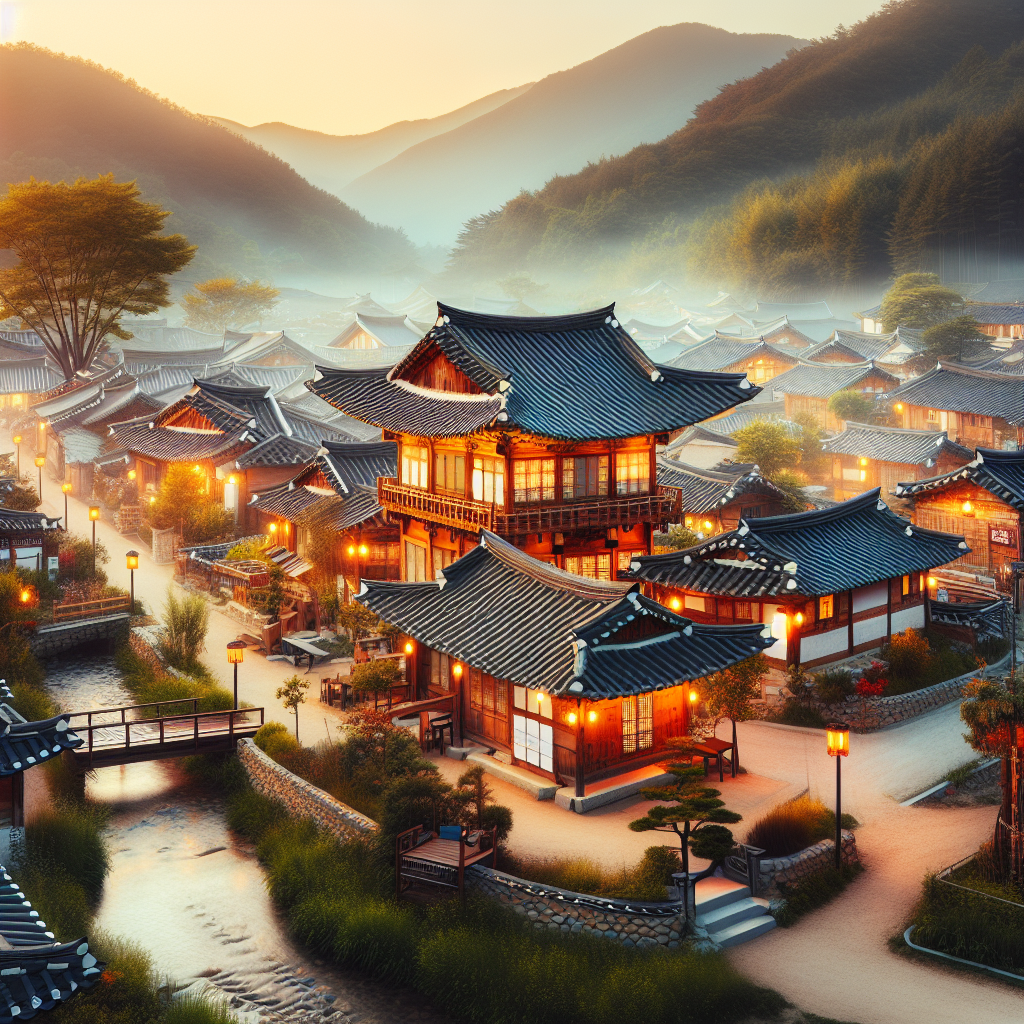
If Seoul is Korea’s fast-beating heart, Jeonju Hanok Village feels like its warm, nostalgic soul. It is the kind of place where tiled rooftops stretch across the skyline, the smell of sesame oil floats out from tiny restaurants, and every narrow alley seems to whisper a story from the past. For foreign travelers who want to experience traditional Korea without feeling like they are walking through a museum, Jeonju is one of the most rewarding destinations in the country.
Why Jeonju Hanok Village Belongs on Your Korea Itinerary
Jeonju Hanok Village is home to hundreds of traditional Korean houses, known as hanok, gathered beautifully in the heart of Jeonju. What makes this village so special is not just the architecture, although the curved rooftops and wooden gates are absolutely gorgeous. The real charm is that the area still feels alive. You will find family-run restaurants, quiet tea houses, small craft workshops, hanbok rental shops, guesthouses, museums, and local residents going about their day.
Unlike some tourist spots that feel overly polished, Jeonju has a softer and more natural rhythm. One minute you are taking photos in a rented hanbok, and the next you are standing in front of a tiny street-food stall wondering whether you can eat one more skewer before dinner. That easy mix of tradition and everyday life is exactly why so many travelers fall in love with this place.
For visitors interested in Korean culture, K-drama atmosphere, traditional food, and photogenic streets, Jeonju is a dream. Even if you are not a history buff, it is almost impossible not to be moved by the sight of hundreds of hanok rooftops glowing under the afternoon sun. And if you love K-content, the village gives you that familiar cinematic feeling often seen in Korean historical dramas and travel variety shows.
Here is my honest little tip from experience: go early in the morning if you can. I once arrived around 8 a.m., before most shops had fully opened, and the alleys were so peaceful that it felt like I had the whole village to myself. The photos came out beautifully too, because there were no crowds in the background, just soft morning light and quiet hanok rooftops.
Best Things to Do in Jeonju Hanok Village
Jeonju Hanok Village is wonderfully walkable, which makes it easy to explore without a strict plan. Still, there are a few places you should not miss, especially if this is your first visit. These spots give you the best mix of history, scenery, culture, and that relaxed Jeonju charm.
1. Visit Gyeonggijeon Shrine for a Taste of Royal Joseon History
Gyeonggijeon Shrine is one of the most important historical sites in Jeonju and a beautiful place to begin your walk. The shrine is known for enshrining the portrait of King Taejo, the founder of the Joseon Dynasty. Even if you do not know much about Korean history, the atmosphere here is calm, elegant, and deeply photogenic.
The wooden buildings, colorful traditional patterns, and spacious courtyard make it a popular place for hanbok photos. Many visitors rent traditional Korean clothing nearby and come here first because the backdrop feels refined and royal. The grounds are also spacious enough to enjoy slowly, which is nice if the main streets of the village feel crowded.
- Good for: History lovers, hanbok photos, quiet walks, traditional architecture
- Estimated time: 40 minutes to 1 hour
- Tip: Visit in the morning for softer light and fewer people
2. Walk Up to Omokdae for the Best Rooftop View
If you want that classic panoramic view of Jeonju Hanok Village, make your way up to Omokdae. It is not a difficult climb, but there are stairs and slopes, so comfortable shoes really do help. Once you reach the top, you can see the hanok rooftops spreading out below you like waves.
Sunset is especially beautiful here. The curved roof tiles catch the golden light, and the entire village takes on a warm, cinematic glow. It is also one of the best places to pause for a moment if you have been eating and shopping your way through the village.
3. Rent a Hanbok and Take Your Time with Photos
Renting a hanbok in Jeonju is not just for tourists who want pretty pictures. It genuinely changes the way you experience the village. Walking through stone paths and traditional gates while wearing hanbok makes the setting feel more immersive, almost like stepping into a period drama for a few hours.
There are many rental shops near the main entrance of the village, and most offer different styles, from soft pastel hanbok to more dramatic royal-inspired outfits. Some shops also provide hair accessories, small bags, and simple hairstyling.
- Average rental time: 2 to 4 hours
- Best photo spots: Gyeonggijeon Shrine, quiet side alleys, Omokdae viewpoint, traditional stone walls
- Practical tip: Choose comfortable shoes or bring flats if you plan to walk a lot
4. Try a Traditional Craft Workshop
Jeonju is famous for traditional crafts, especially hanji, Korean handmade paper. If you enjoy hands-on experiences, look for a craft workshop where you can make hanji items, decorate a fan, try natural dyeing, or create a small souvenir by hand.
These workshops are a lovely break from sightseeing because they slow you down. Instead of rushing from one photo spot to the next, you get to sit, focus, and make something that actually feels personal. It also makes a much better souvenir than something grabbed quickly from a gift shop.
5. Enjoy a Slow Tea Break in a Hanok Cafe
One of the best parts of Jeonju is cafe-hopping. Many cafes are set inside renovated hanok houses, so you can enjoy coffee, traditional tea, or Korean desserts while sitting under wooden beams and looking out at a small courtyard.
If you need a break, order yuja tea, omija tea, or an iced latte with a traditional dessert. Jeonju cafes are especially good for travelers who want to rest without leaving the village atmosphere behind.
K-Drama, Korean Film, and K-Culture Vibes in Jeonju
Jeonju may not be a K-pop district like Hongdae or Gangnam, but it has something different: a deeply Korean visual atmosphere that feels familiar to anyone who loves K-dramas, Korean films, and travel variety shows. The hanok rooftops, stone alleys, traditional courtyards, and soft evening lights all create that cinematic feeling people often associate with Korean historical dramas.
Several Korean programs and travel features have highlighted Jeonju for its food, hanok scenery, and cultural heritage. Even when a specific drama was not filmed in Jeonju, the village often feels like the kind of place where a romantic period-drama scene could naturally unfold. If you enjoy recreating K-drama-style photos, this is one of the easiest places in Korea to do it.
Best K-Drama-Style Photo Spots
- Gyeonggijeon Shrine: Perfect for elegant, royal-style hanbok photos
- Omokdae viewpoint: Best for wide shots of hanok rooftops
- Quiet side alleys: Ideal for romantic walking shots without too many people
- Traditional stone walls: Great for soft, classic portraits
- Hanok cafes: Best for cozy lifestyle photos with tea or dessert
Jeonju International Film Festival
Film lovers should also know about the Jeonju International Film Festival, often called JIFF. Held annually in spring, this festival is one of Korea’s most respected film events, especially for independent cinema. If your trip lines up with the festival period, it is worth checking the schedule and watching a screening while you are in town.
The festival gives Jeonju a completely different energy. The city becomes livelier, with film fans, directors, critics, and travelers gathering around theaters and cultural spaces. It is a great reminder that Jeonju is not only traditional but also creative and artistic.
K-Pop Fans: What to Expect in Jeonju
If your main goal is K-pop shopping, Seoul will still offer more specialized stores and idol-themed cafes. But Jeonju is perfect for K-pop fans who want the kind of cultural backdrop idols often enjoy when they film travel content, healing shows, or casual vlogs. The village is full of places that feel natural, pretty, and relaxed, which makes it ideal for your own K-pop-inspired travel photos.
You may also find photo booths, accessory shops, and trendy cafes around the village and nearby streets. They are fun stops if you are traveling with friends and want cute photo strips or casual memories between sightseeing.
What to Eat Near Jeonju Hanok Village
Jeonju is often called one of Korea’s best food cities, and honestly, it deserves the title. Around Jeonju Hanok Village, you can find everything from famous bibimbap restaurants to lively market snacks, traditional Korean set meals, dessert cafes, and makgeolli houses. Come hungry, because food is a huge part of the Jeonju experience.
1. Jeonju Bibimbap: The Dish You Cannot Skip
Jeonju bibimbap is the city’s signature dish. It usually comes with seasoned vegetables, rice, gochujang, sesame oil, and sometimes raw or cooked egg, all arranged beautifully before you mix everything together. The flavor is rich but balanced, with nutty sesame oil, gentle heat from the chili paste, and freshness from the vegetables.
Restaurants near the village often offer picture menus, which makes ordering easier for international visitors. If you are new to Korean food, bibimbap is a friendly place to start because you can control how much sauce you add.
2. Hanguk Jip for a Traditional Korean Meal
Hanguk Jip is one of Jeonju’s well-known restaurants for visitors who want a classic Korean dining experience. It is especially popular for traditional meals with multiple side dishes, giving you a chance to taste many flavors at once.
This is a good choice if you are traveling with family or friends and want to sit down for a proper meal rather than grabbing snacks on the street. Expect a table full of small dishes, soup, rice, vegetables, and local flavors.
3. Nambu Market for Street Food and Local Energy
Nambu Market is within walking distance of Jeonju Hanok Village and is a fantastic place to eat casually. You can try snacks like hotteok, fried foods, tteokbokki, dumplings, skewers, and local-style dishes at affordable prices.
The market feels especially fun in the evening when the food stalls become busier. It is less polished than a restaurant, but that is exactly the charm. You hear sizzling oil, smell grilled meat, see locals lining up at their favorite stalls, and suddenly you understand why Jeonju is such a serious food city.
One thing I learned the delicious way: if you see a stall with a line of locals, just join it. I once bought a crispy fried skewer from a busy little stall near the market, and it ended up being one of my favorite bites of the entire trip. No fancy planning, no reservation, just a warm snack eaten while walking through the evening crowd.
4. Korean Desserts and Tea in Hanok Cafes
After a heavy meal, take a slow dessert break. Many cafes around the village serve Korean-inspired desserts such as injeolmi toast, red bean sweets, rice cakes, matcha drinks, citron tea, and seasonal fruit desserts. The setting often matters just as much as the menu, especially when the cafe has a courtyard or rooftop view.
- Try: Yuja tea, omija tea, injeolmi toast, rice cake desserts, iced lattes
- Best time: Mid-afternoon, after lunch crowds and before sunset
- Good for: Resting, journaling, photo editing, quiet conversations
How to Get to Jeonju Hanok Village
Getting to Jeonju Hanok Village is fairly simple, especially if you are coming from Seoul. Jeonju is popular with both domestic and international travelers, so transportation options are convenient.
From Seoul to Jeonju
- By KTX: The fastest option. The journey from Seoul to Jeonju usually takes around 1 hour and 40 minutes to 2 hours, depending on the train.
- By express bus: A budget-friendly option that usually takes around 2.5 to 3 hours, depending on traffic.
- From Jeonju Station: Take a local bus or taxi to Jeonju Hanok Village. A taxi is convenient if you have luggage.
Getting Around the Village
Once you arrive, the village is best explored on foot. The main streets can be busy, but the side alleys are quieter and often more beautiful. Wear comfortable shoes because some paths are uneven, and you will probably walk more than you expect.
Where to Stay: Hanok Guesthouses and Overnight Tips
If your schedule allows, staying overnight in a hanok guesthouse is one of the best ways to enjoy Jeonju. Day-trippers often leave by evening, and the village becomes calmer and more atmospheric after dark. Lanterns glow, the streets quiet down, and the whole place feels softer.
Many hanok stays offer traditional floor bedding and heated floors, known as ondol. The experience may feel different from a Western-style hotel, but that is part of the charm. If you prefer beds, check carefully before booking because some rooms are floor-sleeping style.
- Best for: Couples, culture lovers, photographers, slow travelers
- Check before booking: Private bathroom, bed type, luggage storage, heating or air conditioning
- Tip: Pack lightly if your guesthouse is inside the village, since some alleys are easier to walk than roll luggage through
Practical Travel Tips for Foreign Visitors
Jeonju is very welcoming, but a little planning will make your visit smoother. Here are the things I would tell a friend before their first trip.
- Best season: Spring and autumn are the most comfortable. Spring brings blossoms, while autumn gives the village warm colors and crisp air.
- Best time of day: Early morning for peaceful photos, late afternoon for golden light, evening for a romantic atmosphere.
- Language: Major tourist areas have some English signs, but a translation app such as Papago is very useful.
- Payments: Cards are widely accepted, but carry some cash for street food, markets, and smaller shops.
- Clothing: Wear comfortable shoes. If renting hanbok, consider the weather because summer can be hot and winter can be very cold.
- Food allergies: Korean food often uses sesame oil, soy sauce, seafood-based broth, and chili paste, so ask carefully if you have dietary restrictions.
- Photography etiquette: Some hanok are private homes or guesthouses, so avoid entering courtyards unless they are clearly open to visitors.
Suggested One-Day Jeonju Hanok Village Itinerary
If you only have one day in Jeonju, you can still see the highlights without rushing too much. Here is a simple route that balances sightseeing, food, photos, and rest.
- Morning: Arrive early and walk through the quieter alleys before the crowds build up.
- Late morning: Visit Gyeonggijeon Shrine and take hanbok photos if you are renting one.
- Lunch: Try Jeonju bibimbap or a traditional Korean set meal near the village.
- Afternoon: Join a craft workshop or relax in a hanok cafe with tea and dessert.
- Late afternoon: Walk up to Omokdae for the rooftop view.
- Evening: Head to Nambu Market for street food before returning to your hotel or train station.
Final Thoughts: Why Jeonju Feels Different
Jeonju Hanok Village is beautiful, of course, but beauty alone is not what makes it memorable. What stays with you is the feeling of the place: the slow walk through old alleys, the warmth of a small restaurant, the quiet view from Omokdae, the sound of friends laughing in hanbok, the taste of bibimbap mixed at a crowded table.
It is one of those destinations that rewards wandering. Do not plan every minute too tightly. Leave room to follow a side street, step into a small cafe, try a snack you did not recognize, or sit for a while under a tiled roof and simply enjoy where you are.
My favorite Jeonju memories were never the perfectly planned ones. They were the tiny moments: a warm tea break when my feet hurt, a local vendor smiling while handing over a fresh snack, and the quiet rooftops just before sunset. That is the magic of Jeonju. You arrive for the hanok, but you leave remembering the feeling.
댓글
댓글 쓰기