Okay, let me say this before I start sounding like some forest-obsessed guy who owns three hiking poles and talks about moss. I’m not usually that person. I’m a 40-something IT office worker, which means most of my daily scenery is basically a laptop screen, a coffee mug, and too many Slack messages. When someone says “Jeju,” my brain goes straight to blue water, black pork, tangerines, and maybe one of those cafés where the ocean view costs more than the coffee.
But then my wife dragged me to Saryeoni Forest Trail, or Saryeoni Supgil in Korean, and honestly… I had to shut up and admit she was right. Annoying, but true.
This place is not just “a nice walk in the woods.” That sounds too small. It’s more like Jeju quietly grabbing your shoulders and saying, “Hey, breathe properly for once.” And maybe that sounds dramatic, but if you’ve spent months living on notifications, deadlines, and takeout food, you’ll get what I mean.
So yeah, think of this as me talking to a friend over coffee. Not a museum brochure. Not a stiff travel guide. Just the stuff I noticed, the things I wish I knew earlier, and why Saryeoni Forest Trail in Jeju is one of those places that foreign visitors should seriously put on the list, especially if you love Korean drama scenery, soft KPOP playlist vibes, healing travel, or just need somewhere quiet that doesn’t feel fake.
Why Saryeoni Forest Trail Feels Like Walking Into a Korean Drama Scene
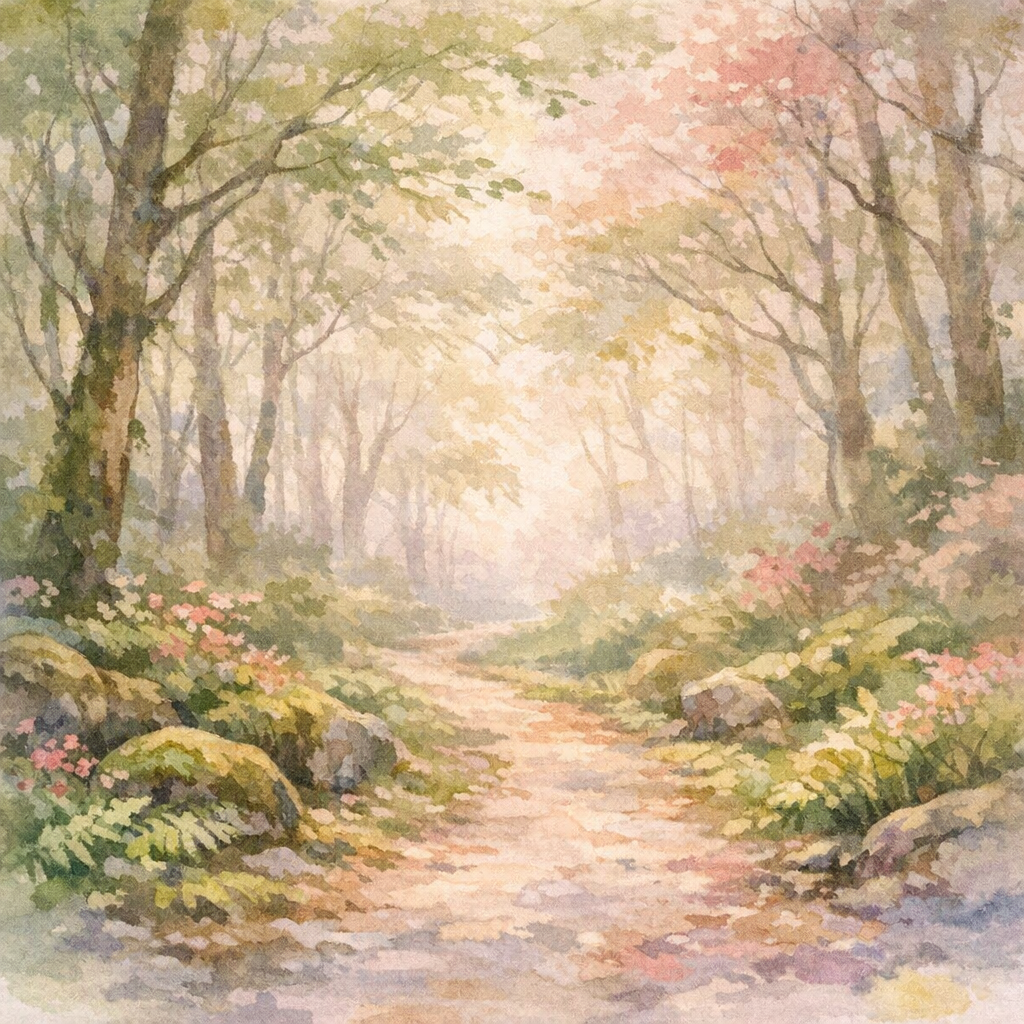
The funny thing is, I didn’t expect much at the entrance. It looked pleasant, sure. Trees, dirt path, people wearing sensible shoes. You know, forest stuff. But after walking maybe ten minutes in, the mood changed. The road became softer, the trees started lining up in this almost cinematic way, and the light came through the branches like someone had hired a lighting director.
That’s when I understood why Saryeoni Forest Trail is so loved by photographers, local travelers, and people who are into that dreamy Korean drama filming location atmosphere. Even if you don’t know the exact drama title or episode, the feeling is very familiar. Tall cedar trees, a quiet road curving slightly ahead, a couple walking slowly in the distance… come on, that’s basically a K-drama breakup scene waiting to happen. Or a reunion scene. Depends on the background music.
The most famous part is the cedar tree path. The trees are tall and straight, and they make the trail feel almost architectural, but not in a cold city way. More like nature built a hallway and forgot to add walls. It’s peaceful, but not boring. That’s the nice thing.
And the air. Seriously, the air is different here.
I know people talk about “forest healing” all the time, and honestly I used to roll my eyes a bit. I’m an IT guy, so if someone says trees are healing my soul, my first reaction is usually, “Do we have data on that?” But walking through Saryeoni, I kind of gave up trying to be clever. The air smelled clean, a little damp, slightly woody, and somehow it made my shoulders drop. I didn’t even realize I’d been walking around with my neck all tense until it started to loosen.
My small real-life tip here: go early. I went around 8 in the morning once, and the light was soft, the trail was almost empty, and it felt like I had rented the whole forest for free. Another time I arrived closer to 10:30, and parking was already more stressful than it needed to be. Not impossible, just… less romantic.
The KPOP and K-Drama Vibe Is Real, Even If You’re Not Chasing Exact Filming Spots
If you’re visiting Korea because you love KPOP, Korean dramas, or Korean movies, you’ll probably enjoy Saryeoni in a slightly different way. It’s not like a big entertainment-company landmark where you take a photo in front of a building and say, “My idol stood here.” It’s more subtle than that.
It’s the mood.
You know those KPOP music videos or concept photos where the members are standing in a forest, wearing soft colors, looking emotional for reasons nobody explains? Saryeoni has that exact feeling. It’s calm, photogenic, slightly mysterious, and very “healing era.” If you’re traveling with friends, this is one of those places where even a random phone photo can look like an album jacket. No expensive camera needed, though of course if you have one, bring it.
What to play while walking
I’m not saying you must walk with music. Actually, part of the charm is hearing the wind move through the trees. But if you’re the kind of traveler who builds a playlist for every place, this forest deserves one.
- IU for a soft, thoughtful walk when the morning light is coming through the trees.
- BTS “Spring Day” if you want that nostalgic, slightly emotional feeling. Dangerous choice if you’re already in a sentimental mood, though.
- NewJeans if you want something lighter and breezy while taking photos.
- AKMU for a very Korean, warm, indie-ish travel mood.
- Or honestly, no music at all. Just forest sounds. Very underrated.
For Korean drama fans, Saryeoni is the kind of place that feels instantly familiar even when you can’t place it. Wooden paths, soft dirt roads, little bridges, streams, the whole emotional-walking-alone package. I kept thinking, “A character would absolutely come here after quitting their job or breaking up with someone.” Maybe that says more about my drama habits than the forest, but still.
One thing I’d say, though: don’t come only to recreate a specific screenshot. Come for the overall mood. Some places in Korea are famous because of one exact scene. Saryeoni is different. It’s beautiful because the whole trail feels like a scene.
What the Trail Is Actually Like: Easy, Calm, But Longer Than You Think
Here’s the practical bit, because I don’t want you showing up in cute shoes and silently cursing my name halfway through.
Saryeoni Forest Trail is not a mountain-climbing adventure. You don’t need to be super fit. Most of the path is fairly gentle, and there are long flat sections where you can just walk and zone out. But it is still a forest trail. That means roots, dirt, little stones, damp patches after rain, and some uneven ground here and there.
I made the classic city-person mistake. I wore sneakers that looked nice in photos but were not made for a long forest walk. After a few hours, my feet were sending me angry emails. My wife wore proper walking shoes and was totally fine, which gave her way too much satisfaction. So yes, wear comfortable shoes. Not necessarily hardcore hiking boots, but something with grip and support.
How long should you spend there?
If you just want a short taste, you can walk in for 30 to 40 minutes, take photos, breathe some clean air, and come back. That’s still worth it. But if you want the better version of Saryeoni, give yourself at least 2 to 3 hours. The forest gets quieter the deeper you go, and that’s when it starts feeling special.
- Quick visit: around 1 hour for photos and a short walk.
- Relaxed visit: 2 to 3 hours for a proper forest experience.
- Photo-focused visit: early morning or late afternoon for softer light.
- Rainy day visit: possible, but bring a waterproof jacket and shoes you don’t mind getting dirty.
What to bring
Don’t overpack, but don’t come empty-handed either. There are not many convenient facilities once you’re inside the trail, so a little preparation makes the whole thing smoother.
- Water, because there aren’t convenience stores inside the forest.
- Comfortable walking shoes, especially if you plan to stay more than an hour.
- A light jacket, even in warmer seasons. The forest can feel cool and damp.
- A portable battery if you take lots of photos or use map apps all day.
- Bug repellent in summer, because nature is beautiful but also has mosquitoes. Sadly.
Best Time to Visit Saryeoni Forest Trail
Morning is my favorite. No contest. Around 7:30 to 9:00, the forest has this gentle, half-awake feeling. The light is softer, the air is fresher, and you don’t hear as many people talking. It’s just footsteps, birds, wind, and maybe your own thoughts, which can be nice or slightly terrifying depending on your week.
Spring is lovely because everything feels fresh and green. Summer is lush and deep, but it can be humid, so dress lightly. Autumn is probably the most emotionally dangerous season because the colors and the air make you want to rethink your entire life. Winter is quieter, more bare, and surprisingly beautiful if you like a calm, minimal mood.
If you’re coming to Jeju during peak travel season, especially weekends or holidays, try not to arrive too late. Parking can get annoying. Not Seoul-level annoying, but still enough to damage the peaceful forest fantasy before it even begins.
Food Near Saryeoni Forest Trail: What Foreign Visitors Will Actually Enjoy
Now, very important topic. Food. Because a forest walk is nice, but a forest walk followed by a proper Jeju meal? That’s the full package.
There are small local restaurants and cafés around the wider area, but depending on your route and transport, you may want to drive toward Seogwipo, Namwon, or nearby local towns for better choices. If you’re using a rental car, life is much easier. If you’re relying on taxis or buses, check your route before you get too hungry. Hungry travel planning is never wise. I’ve tested this theory many times.
Jeju black pork BBQ
If it’s your first time in Jeju, Jeju black pork is the obvious choice, and honestly, it’s obvious for a reason. Thick pork belly grilled until the outside gets crisp, dipped in sesame oil with salt, wrapped in lettuce with garlic and ssamjang… it’s simple, but it hits hard after a long walk.
Foreign visitors usually love it because it feels very Korean without being too difficult to understand. You sit, you grill, you wrap, you eat. The staff may help with grilling at some places, especially if they notice you looking confused, which I often do even as a Korean office worker. No shame.
Gogi-guksu, Jeju-style pork noodles
If you want something warm and comforting, try gogi-guksu. It’s a Jeju pork noodle soup with a rich broth, slices of pork, and chewy noodles. It’s not fancy, but that’s the charm. After walking in cool forest air, a bowl of gogi-guksu feels like someone fixed your battery level.
Seafood noodle soup or abalone dishes
Jeju is an island, so seafood is always nearby in spirit, even when you’re in the forest. Look for haemul kalguksu, which is seafood knife-cut noodle soup, or abalone porridge if you want something gentle and nourishing. Abalone can be a bit pricey, but if you’re already in Jeju, it’s worth trying once.
Cafés with Jeju tangerine desserts
If you’re not ready for a full meal, find a café serving Jeju tangerine tea, tangerine ade, or tangerine cake. Is it touristy? Sometimes, yes. Do I still enjoy it? Also yes. There’s something about citrus after a forest walk that just makes sense.
How to Get There Without Making Your Day Complicated
The easiest way to visit Saryeoni Forest Trail is by rental car. Jeju’s public transportation exists, of course, but some nature spots are much smoother when you can drive. If you’re a foreign tourist planning to explore multiple places in one day, renting a car gives you more freedom, especially if you want to combine Saryeoni with other inland or eastern Jeju stops.
If you don’t drive, a taxi can work, but make sure you know which entrance you’re going to and how you’ll leave. This sounds basic, but forest trail entrances are not the same as downtown hotel lobbies. Don’t assume taxis will magically appear when you’re done walking.
- By rental car: easiest and most flexible, especially for early morning visits.
- By taxi: good option, but arrange pickup or check taxi availability in advance.
- By bus: possible depending on your starting point, but check schedules carefully because travel time can stretch.
- Map apps: use KakaoMap or Naver Map in Korea. Google Maps can be less helpful for local navigation.
One small but useful tip: save the Korean name 사려니숲길 on your phone. If you need to show it to a taxi driver or search in a Korean map app, the Korean spelling helps a lot.
Nearby Places to Pair With Saryeoni Forest Trail
If you’re already heading into this part of Jeju, don’t rush back immediately. Saryeoni works nicely with a slow, nature-focused day. Not everything has to be packed like a business trip itinerary. I say this as someone who has ruined vacations by optimizing them too much. Very IT-person behavior, unfortunately.
Jeju Stone Park
Jeju Stone Park is a great match if you like culture, mythology, and quiet outdoor spaces. It tells the story of Jeju through stone, volcanic landscapes, and local legends. It’s not loud or flashy, but it stays with you.
Sangumburi Crater
Sangumburi is beautiful, especially in autumn when the silver grass moves in the wind. It has a wide-open feeling that contrasts nicely with the enclosed, intimate mood of Saryeoni Forest. Forest first, crater later? That’s a pretty solid day.
Seogwipo area
If you continue south, Seogwipo gives you waterfalls, coastal views, restaurants, and more hotel options. It’s also a good area for dinner after your forest walk. The pace feels a little more relaxed than Jeju City, at least to me.
Who Will Love Saryeoni Forest Trail the Most?
Honestly, not every travel spot is for every person. If you need constant stimulation, shopping streets, loud nightlife, and big “wow” attractions every ten minutes, Saryeoni might feel too quiet. But if you’re even slightly tired, slightly burned out, slightly in need of air that doesn’t come from an office vent, this place might hit you right in the chest.
- Korean drama fans who want that soft, cinematic forest mood.
- KPOP fans looking for peaceful photo spots and playlist-worthy scenery.
- Couples who want a calm walk that doesn’t feel too touristy.
- Solo travelers who need a safe, reflective place to slow down.
- Office workers like me, who pretend we’re fine but are probably not sleeping enough.
- Families who want a gentle outdoor activity without a brutal hike.
What I liked most was that nobody was forcing the beauty on me. No giant sign saying “photo zone,” no artificial music, no over-designed tourist gimmick. Just trees, paths, air, and time. Weirdly rare these days.
A Few Honest Things to Know Before You Go
Saryeoni is beautiful, but it’s still nature. That means your experience can change depending on weather, season, and your own mood. If it rained recently, the ground may be damp. If you visit at noon during a busy weekend, it won’t feel as peaceful as the dreamy photos suggest. If you go in summer without water, you’ll become a sad tourist very quickly.
Also, please don’t wander off into restricted areas just to take a better photo. I know, I know, the perfect Instagram shot is tempting. But forests stay beautiful because people don’t treat them like private studios. Take the photo, enjoy the place, leave it clean. Basic stuff, but worth saying.
And one more thing. Don’t rush. This trail is not something to “complete.” It’s better when you stop here and there, look up, listen a little, take fewer photos than you planned, then take one more because the light suddenly got nice. That’s how it goes.
My Personal Take: Saryeoni Is Jeju’s Quiet Reset Button
I went in expecting a pleasant walk. I came out feeling like someone had closed 37 browser tabs in my brain. Not all of them, obviously. I’m still me. But enough.
For foreign travelers visiting Jeju, Saryeoni Forest Trail is a really good reminder that Korea is not only Seoul nightlife, KPOP stores, palace photos, and street food. Those are great, of course. I love them too. But Korea also has these quieter places where the emotional texture is different. Softer. Slower. A little more personal.
If your Jeju trip already includes beaches, cafés, and black pork, add Saryeoni somewhere in the middle. Go in the morning if you can. Wear proper shoes. Bring water. Play your favorite Korean song if the mood feels right. Or don’t. Just walk.
Because sometimes the best travel memory isn’t the loudest one. Sometimes it’s just a forest road, a bit of sunlight, your phone finally staying in your pocket, and that strange little feeling of becoming human again...
댓글
댓글 쓰기