Hallasan National Park in Jeju: A Soul-Stirring Hiking Guide for K-Pop, K-Drama, and Nature-Loving Travelers
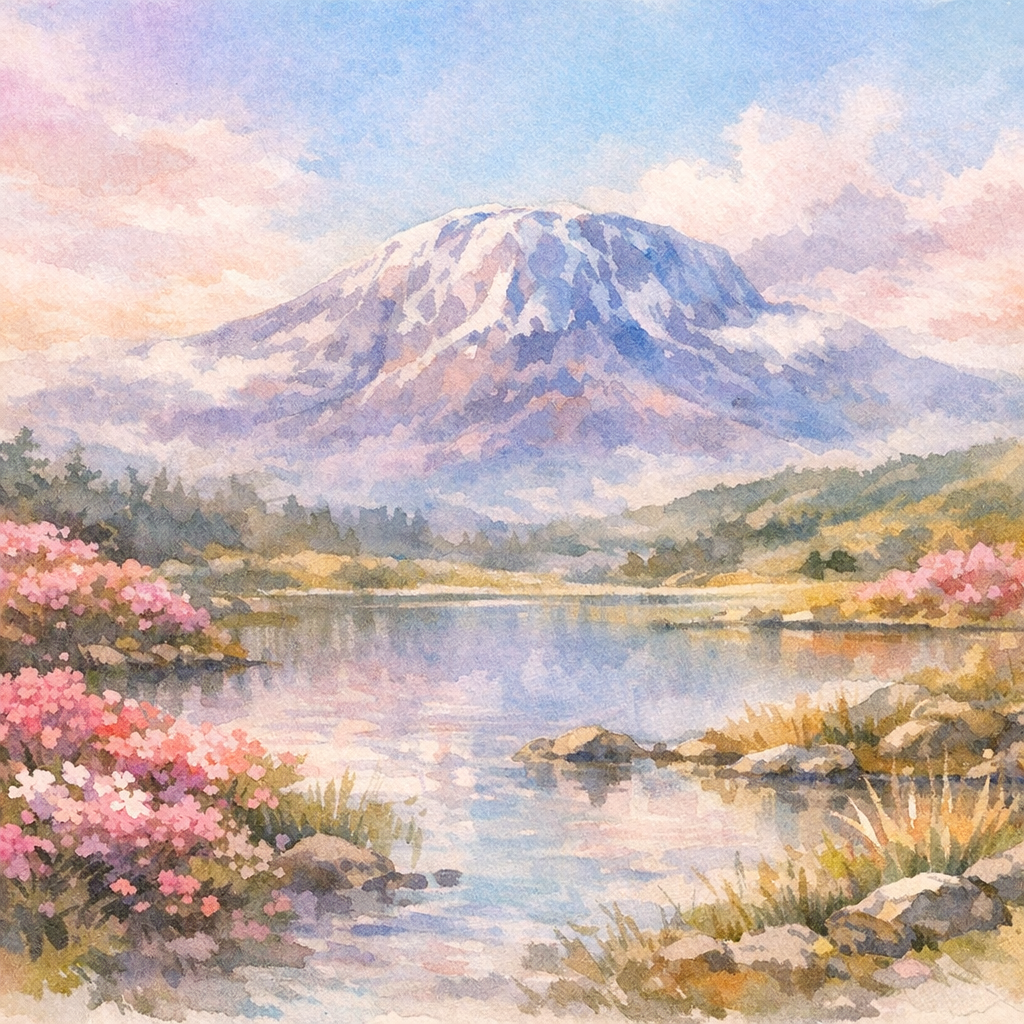
If Jeju Island had a heartbeat, it would probably sound like the quiet wind moving through the forests of Hallasan National Park. Rising 1,950 meters above sea level, Hallasan is the highest mountain in South Korea and one of the most unforgettable places you can visit on Jeju. It is wild, peaceful, dramatic, and surprisingly emotional all at once.
For foreign travelers, Hallasan is more than a mountain hike. It is a chance to experience the volcanic soul of Jeju, walk through landscapes that feel straight out of a Korean drama, and enjoy the kind of quiet scenery that many K-Pop idols and Korean celebrities often mention when they talk about Jeju as a place to rest, recharge, and find inspiration.
Why Hallasan National Park Belongs on Your Jeju Travel Itinerary
There are beautiful mountains all over Korea, but Hallasan National Park has a completely different mood. It does not feel rushed or overly commercial. The moment you step onto the trail, the noise of the city fades away, and Jeju’s volcanic landscape slowly begins to reveal itself through mossy rocks, black lava stones, tall trees, wildflowers, and misty paths.
Hallasan is also a UNESCO World Natural Heritage site, which makes it one of Jeju’s most important natural landmarks. The mountain was formed by volcanic activity, and at the summit, you will find Baengnokdam Crater Lake, a volcanic crater that feels almost mythical when it appears through the clouds.
What makes Hallasan especially appealing for international visitors is how many different travel styles it can satisfy. If you love hiking, it is a bucket-list challenge. If you love photography, every season gives you a completely different color palette. If you are a fan of K-Dramas, the scenery has that cinematic Korean feeling you have probably seen on screen many times. And if you are into K-Pop culture, Jeju itself has long been known as a peaceful getaway where artists, idols, and actors come to breathe a little.
- Best for: hikers, nature lovers, K-Drama fans, photographers, couples, solo travelers, and slow travelers.
- Location: Central Jeju Island, easily reachable from Jeju City or Seogwipo.
- Main highlight: Baengnokdam Crater Lake at the summit.
- Travel mood: peaceful, scenic, refreshing, and deeply Korean.
I still remember my first Hallasan hike so clearly. I started way too confidently, thinking, “It’s just a mountain trail,” but the weather changed so quickly near the top that I ended up putting on every layer I had packed. Honestly, that little moment taught me the most important Hallasan rule: even if Jeju feels warm at sea level, the summit has its own personality, so dress smarter than you think you need to.
The Best Hallasan Hiking Trails: Which Route Should You Choose?
Hallasan has several trails, but not all of them go to the summit. For travelers who want to reach Baengnokdam Crater Lake, the two key routes are Seongpanak Trail and Gwaneumsa Trail. If you prefer something easier and shorter, there are also gentler trails where you can still enjoy Hallasan’s forest atmosphere without committing to a full-day climb.
Seongpanak Trail: The Most Popular Route to the Summit
Seongpanak Trail is the route many first-time visitors choose, especially if they want the most straightforward way to reach the top. It is about 9.6 kilometers one way, and the ascent usually takes around 4.5 to 5 hours depending on your pace, weather, and how often you stop for photos.
The trail starts gently, winding through quiet forests and gradually climbing higher into Hallasan’s volcanic landscape. It is not an easy walk, but it feels steady rather than brutally steep. That is why it is often recommended for travelers who are reasonably fit but not expert hikers.
- Distance: Around 9.6 km one way.
- Average ascent time: 4.5 to 5 hours.
- Difficulty: Moderate to challenging, mostly because of the length.
- Best for: first-time Hallasan summit hikers.
- Atmosphere: forested, calm, gradual, and classic.
The best part of Seongpanak is how the scenery slowly changes. At first, it feels like a forest walk. Later, the trail becomes rockier, the air gets cooler, and you begin to feel that you are climbing into a completely different world. On misty days, the trees look incredibly cinematic, almost like a scene from a fantasy drama.
Gwaneumsa Trail: More Dramatic, More Demanding
If you want a more intense and dramatic hiking experience, Gwaneumsa Trail may be the better choice. It is slightly shorter than Seongpanak at around 8.7 kilometers one way, but do not let that fool you. This trail is steeper, more rugged, and physically tougher, especially near the higher sections.
The reward is scenery that feels bigger and wilder. You get rocky valleys, open views, wooden stairways, and a more adventurous mountain atmosphere. Many experienced hikers love going up Seongpanak and coming down Gwaneumsa, but that combination is a serious full-day hike and should only be attempted if you are well-prepared.
- Distance: Around 8.7 km one way.
- Average ascent time: 5 hours or more.
- Difficulty: Challenging.
- Best for: experienced hikers and travelers who want dramatic views.
- Atmosphere: rugged, scenic, powerful, and adventurous.
Eorimok and Yeongsil Trails: Beautiful Options Without the Summit
Not everyone needs to reach the summit to enjoy Hallasan. If you are traveling with children, have limited time, or simply prefer a lighter walk, Eorimok Trail and Yeongsil Trail are excellent alternatives. These trails do not take you to Baengnokdam Crater Lake, but they still offer gorgeous views, fresh mountain air, and that peaceful Hallasan feeling.
Yeongsil is especially loved for its striking rock formations and seasonal beauty. In autumn, the colors can be stunning, while in spring and early summer, the mountain feels soft and fresh with greenery.
- Choose Seongpanak if you want the most beginner-friendly summit route.
- Choose Gwaneumsa if you want a harder hike with more dramatic scenery.
- Choose Yeongsil or Eorimok if you want Hallasan views without a full summit climb.
K-Pop and K-Drama Vibes Around Hallasan and Jeju
Hallasan itself is not a flashy entertainment destination, and that is exactly why it feels special. It has the kind of natural beauty that quietly shows up in the background of Korean pop culture: misty forests, volcanic ridgelines, soft light, lonely roads, and wide landscapes that look made for emotional scenes.
Jeju Island has appeared in many Korean dramas, films, variety shows, music videos, and celebrity travel content. While exact filming locations can vary and should always be double-checked before you plan a fan pilgrimage, the overall mood of Hallasan and Jeju is instantly familiar to anyone who watches Korean entertainment.
The K-Drama Feeling: Why Hallasan Looks So Cinematic
There is something about Hallasan’s mist that makes the whole mountain feel like a drama scene. On some days, the forest is bright and cheerful. On others, fog rolls between the trees, and the trail suddenly feels mysterious and romantic. It is easy to understand why Jeju is such a popular setting for Korean productions.
Dramas such as “Our Blues”, “Warm and Cozy”, and other Jeju-based stories have helped international viewers fall in love with the island’s slower rhythm. Even when a specific scene is not filmed inside Hallasan National Park, the mountain is always part of Jeju’s identity. It rises quietly in the background, shaping the island’s weather, scenery, and emotional atmosphere.
K-Pop Fans Will Love the Jeju Mood
For K-Pop fans traveling in Korea, Jeju offers a very different kind of fan experience. Seoul is where you go for entertainment companies, music shows, pop-up stores, and idol cafes. Jeju is where you go to understand why so many Korean artists talk about needing fresh air, ocean views, and quiet time away from the spotlight.
Walking through Hallasan with your favorite playlist in your headphones can be surprisingly emotional. A soft ballad hits differently when you are surrounded by Jeju forest. An upbeat song feels even more freeing when you are walking downhill after finishing a tough climb. It is not an official concert venue or a fan event, but in its own way, Hallasan gives you a personal K-Pop travel memory that feels intimate and real.
- For BTS fans: Play “Spring Day” or “Life Goes On” during a quiet forest section for the perfect reflective mood.
- For IU fans: Hallasan’s soft, emotional scenery pairs beautifully with her ballads.
- For K-Drama OST lovers: Bring a playlist of your favorite drama soundtracks and let the landscape do the rest.
- For photographers: Early morning fog, forest paths, and volcanic stones create naturally cinematic shots.
One little tip from my own hike: save your favorite emotional song for the final stretch near the summit or for the walk down when your legs are tired but your heart feels full. I did that once with a K-Drama OST, and it made the whole descent feel like the closing scene of a travel film. It sounds dramatic, but Hallasan really does that to you.
What to Know Before Hiking Hallasan as a Foreign Tourist
Hallasan is very accessible compared to many major mountains, but it still requires proper planning. The weather can change quickly, the trails are long, and summit hikes have strict time rules. A little preparation will make your day much smoother and safer.
Hallasan Summit Reservation
If you plan to hike to Baengnokdam Crater Lake using Seongpanak or Gwaneumsa, you generally need to make a reservation through the official Hallasan National Park reservation system. This helps control the number of hikers and protects the mountain environment.
Reservation rules, quotas, and cut-off times can change, so always check the official website before your trip. Do not assume you can just arrive and walk to the summit, especially during peak seasons like spring, autumn, weekends, and Korean holidays.
Best Time to Visit Hallasan National Park
- Spring: Fresh greenery, wildflowers, mild weather, and a bright travel mood.
- Summer: Lush forests but humid conditions, so bring extra water and start early.
- Autumn: Probably the most popular season, with crisp air and beautiful foliage.
- Winter: Snowy and magical, but icy trails require proper gear and extra caution.
Personally, I think autumn is the easiest season to recommend to first-time foreign visitors. The air is cooler, the colors are gorgeous, and the post-hike meal tastes even better when you come down hungry and slightly cold.
What to Pack for Hallasan
Even if the weather looks friendly at your hotel, pack like you are going into the mountains, because you are. Hallasan can be windy, chilly, wet, or foggy depending on the hour and altitude.
- Hiking shoes: Sneakers are not ideal for the rocky upper sections.
- Layered clothing: A light jacket is useful even when Jeju feels warm.
- Water: Bring more than you think you need.
- Snacks or lunch: Kimbap, energy bars, nuts, bananas, or sandwiches work well.
- Trash bag: There are limited or no trash bins on the trail, so pack out everything.
- Portable battery: Cold weather can drain your phone faster.
- Offline map or Naver Map: Naver Map is more reliable than Google Maps in Korea.
- Gloves and crampons in winter: Essential if the trail is icy.
Getting to Hallasan National Park
Most foreign travelers reach Hallasan from either Jeju City or Seogwipo. Public buses are available, but schedules can be less flexible early in the morning, so check your route the night before. Taxis are more convenient, especially if you are starting before sunrise, but they cost more.
- From Jeju City: Seongpanak is usually easier to reach than some other trailheads.
- From Seogwipo: Access depends on your chosen trail, so check bus times carefully.
- By rental car: Convenient for combining Hallasan with other Jeju attractions, but parking can fill up quickly during busy seasons.
- By taxi: A good option for early starts, but prepare your destination name in Korean just in case.
A practical tip I learned the hard way: arrange your return plan before you start hiking. After a long descent, you will not want to stand around with shaky legs trying to figure out bus schedules. Screenshot your route, save the trailhead name, and keep enough phone battery for navigation.
Where to Eat Near Hallasan: Jeju Food Worth Hiking For
A Hallasan hike makes you hungry in the best possible way. Luckily, Jeju is one of Korea’s most delicious travel destinations, especially if you love pork, noodles, seafood, citrus desserts, and cozy local markets. After a long mountain day, the right meal can feel like a reward ceremony.
Jeju Black Pork BBQ
If you eat meat, Jeju black pork BBQ should be high on your list. The pork is known for its rich flavor and juicy texture, and it is usually grilled at the table with garlic, kimchi, dipping sauces, and lettuce wraps.
Many foreign visitors love black pork because the experience is fun and interactive. You grill, wrap, dip, and eat slowly with friends. After hiking Hallasan, that smoky pork smell is almost impossible to resist.
- What to order: Jeju black pork belly or shoulder cuts.
- How to eat it: Wrap the grilled pork in lettuce with ssamjang, garlic, and kimchi.
- Good for: groups, couples, first-time visitors, and hungry hikers.
Gogi Guksu: Jeju Pork Noodle Soup
For something warm, comforting, and very Jeju, try gogi guksu, a pork noodle soup with a rich broth and tender slices of pork. It is simple, filling, and perfect after a chilly hike.
You can find gogi guksu in Jeju City, Seogwipo, and local markets. It is also a good option for travelers who want a satisfying Korean meal without the full BBQ experience.
Seogwipo Maeil Olle Market
If you are staying in Seogwipo, Seogwipo Maeil Olle Market is a great post-hike stop. It has street food, fresh fruit, snacks, seafood, and casual local dishes. The market is especially fun if you want to try several small bites instead of sitting down for one heavy meal.
- Try: tangerine juice, hallabong desserts, fried snacks, pork skewers, and seafood bites.
- Best time: Late afternoon or evening after your hike.
- Why foreigners like it: Easy to explore, casual, lively, and full of photo-friendly food.
O’Sulloc Tea Museum and Jeju Citrus Desserts
If you want something lighter and more relaxing, consider visiting O’Sulloc Tea Museum on another part of your Jeju itinerary. It is not right next to Hallasan, but it pairs beautifully with a nature-focused trip. The green tea fields, desserts, and calm atmosphere make it popular with travelers who enjoy scenic cafes.
Order green tea ice cream, matcha desserts, or Jeju citrus tea. It is the kind of place where you can rest your legs, scroll through your photos, and quietly feel proud that you survived Hallasan.
How to Combine Hallasan With Other Jeju Attractions
Since Hallasan sits near the center of Jeju, it can be combined with many other attractions, depending on where you are staying and how much energy you have left. If you are doing a full summit hike, do not overpack your schedule that day. Hallasan deserves time, and your legs will definitely ask for mercy afterward.
Seongsan Ilchulbong: Sunrise Peak
Seongsan Ilchulbong, also known as Sunrise Peak, is another UNESCO-listed volcanic landmark on Jeju. It is famous for sunrise views, dramatic coastal scenery, and its bowl-shaped crater. Compared to Hallasan, the hike is much shorter, so many travelers visit it on a separate morning.
For K-Drama and photography lovers, Seongsan Ilchulbong has that big, open, romantic Jeju feeling often associated with Korean travel shows and scenic drama moments.
Manjanggul Lava Tube
Manjanggul Lava Tube is one of Jeju’s most fascinating volcanic attractions. It is cool, dark, and otherworldly inside, which makes it a nice contrast to Hallasan’s open mountain trails. If you are interested in Jeju’s volcanic origins, visiting both Hallasan and Manjanggul gives you a deeper appreciation of the island’s geology.
Jeju Cafes and Coastal Roads
After a serious hike, sometimes the best plan is simply to drive toward the coast, find a beautiful cafe, and do absolutely nothing for an hour. Jeju’s cafe culture is wonderful, with ocean-view cafes, citrus drinks, stone-wall gardens, and photogenic interiors that feel perfect for a relaxed travel day.
- If you hike Hallasan in the morning: Plan a black pork dinner and keep the evening slow.
- If you choose a shorter trail: Add a cafe, market, or coastal viewpoint afterward.
- If you are a K-Drama fan: Build a Jeju filming-location day around the eastern or southern coast.
- If you love photography: Save sunset for the seaside, not the mountain road.
Final Thoughts: Hallasan Is More Than a Hike
Hallasan National Park is not the kind of place you visit just to check a box. It stays with you. Maybe it is the silence of the forest, the sudden appearance of clouds over the crater, the kindness of other hikers, or the first bite of hot food after hours on the trail. Whatever it is, Hallasan has a way of turning a simple hiking day into one of your strongest memories in Korea.
For foreign tourists, Hallasan offers a beautiful balance of nature, culture, and emotion. You can enjoy the raw volcanic landscape of Jeju, feel the cinematic atmosphere that makes Korean dramas so addictive, and create your own quiet K-Pop travel moment with a playlist in your ears and mountain wind on your face.
If you are planning a trip to Jeju, give Hallasan the time it deserves. Start early, pack properly, respect the mountain, and do not rush every step. And when the hike is over, reward yourself with Jeju black pork, a bowl of gogi guksu, or a sweet hallabong dessert. Trust me, after Hallasan, even a simple meal tastes like the best thing in the world.
댓글
댓글 쓰기