Discover Leeum Museum of Art in Seoul: A Beautiful Hannam-dong Guide for Art, K-Culture, Cafes, and Food
Why Leeum Museum of Art Belongs on Your Seoul Itinerary
Seoul has a way of pulling you in from every direction. One minute you are chasing the latest K-pop spots, the next you are walking through royal palaces, eating hot street food, or getting lost in a quiet neighborhood that feels completely different from the city you thought you knew. And that is exactly why the Leeum Museum of Art is such a special place to visit.
Set in Hannam-dong, one of Seoul’s most stylish and international neighborhoods, Leeum Museum of Art feels calm, elegant, and surprisingly intimate. It is not the kind of museum where you simply walk past paintings and leave. It is the kind of place where you slow down without even meaning to. The architecture, the lighting, the traditional ceramics, the contemporary installations, and the quiet garden all work together beautifully.
If you are visiting Seoul for the first time, Leeum gives you a wonderful introduction to Korean culture beyond the usual tourist route. If you have already been to places like Gyeongbokgung Palace, Myeongdong, Hongdae, and Bukchon Hanok Village, this museum is a refreshing next step. It shows Korea from another angle: refined, artistic, thoughtful, and deeply modern while still connected to its past.
What I personally love about Leeum Museum of Art in Seoul is that it does not feel overwhelming. Some major museums can be exhausting, especially when you are traveling and already walking all day. Leeum is different. It feels curated in a way that lets you breathe, notice details, and actually remember what you saw after you leave.
A small personal tip: I like visiting Leeum in the late morning, then walking down toward Hannam-dong for coffee or lunch afterward. The uphill walk can be a little tiring, so comfortable shoes really do make a difference. And honestly, once you step into the museum’s quiet spaces after the busy streets of Seoul, it feels like your whole travel pace softens a little.
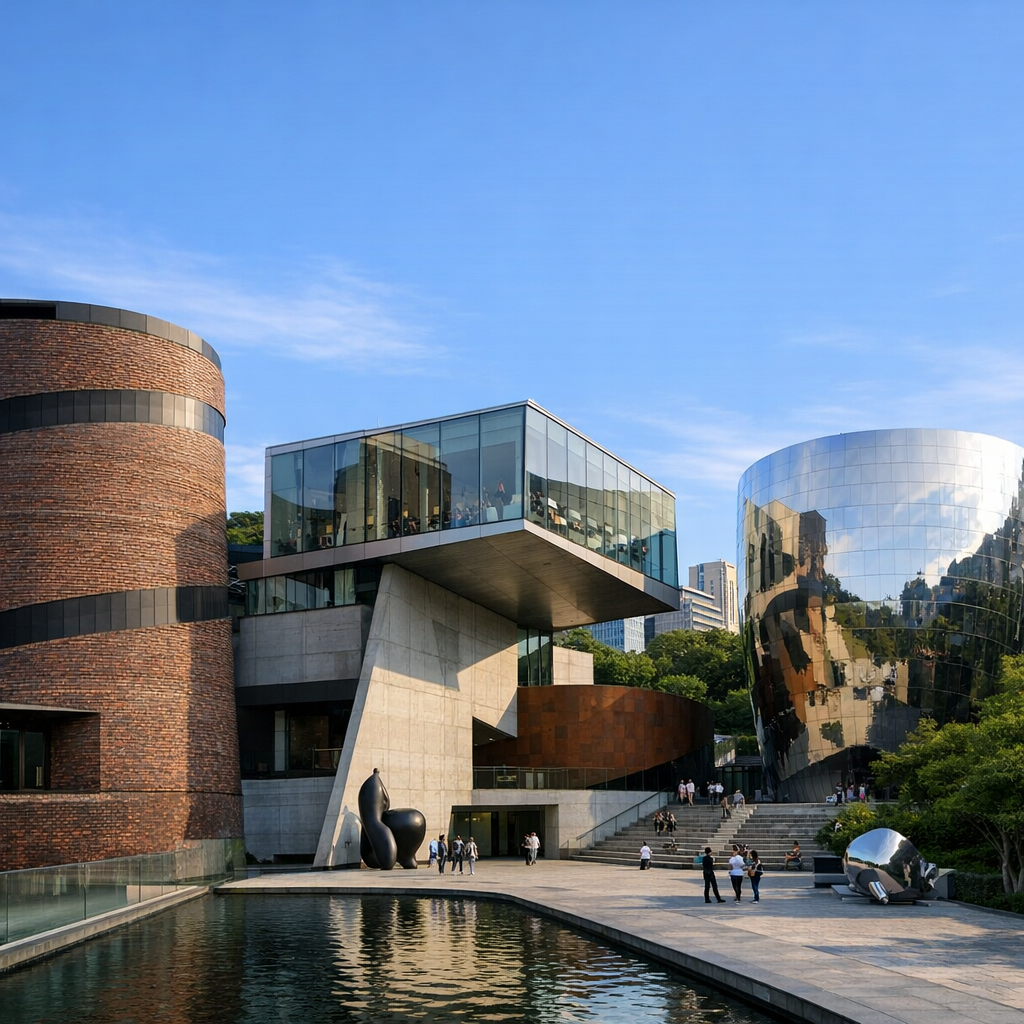
The Architecture of Leeum Museum of Art: Three World-Class Designs in One Place
One of the biggest reasons the Leeum Museum of Art stands out is its architecture. Even if you are not usually an architecture person, this museum makes you pay attention. The complex was designed by internationally famous architects, and each section has its own mood, texture, and personality.
Instead of one predictable museum building, Leeum feels like several visual experiences connected together. You move from warm brick to glass and steel, from traditional Korean beauty to sharp contemporary design, and from open outdoor areas to quiet interior galleries. It is one of the best places in Seoul to see how art, space, and architecture can speak to each other.
Museum 1: Traditional Korean Art in a Warm, Sculptural Space
Museum 1 focuses on traditional Korean art, including ceramics, Buddhist art, calligraphy, metalwork, and paintings. This is where many visitors fall in love with Korean aesthetics in a quieter, deeper way.
The building was designed by Swiss architect Mario Botta, and its red-toned brick exterior gives the space a grounded, almost timeless feeling. Inside, the atmosphere is calm and carefully lit, which makes the artworks feel even more precious. You are not just looking at old objects behind glass. You are seeing centuries of Korean craftsmanship, taste, spirituality, and daily life.
Some of the most memorable pieces include Goryeo celadon, known for its soft jade-green glaze, and Joseon white porcelain, especially the moon jars. These pieces may look simple at first glance, but the longer you stand in front of them, the more powerful they become. The curves, the empty space, the soft color, and the tiny imperfections all feel very Korean in the most beautiful way.
Museum 2: Contemporary Art with a Bold, Modern Edge
Museum 2 is dedicated to modern and contemporary art. Designed by French architect Jean Nouvel, this part of the museum feels dramatically different from Museum 1. It is darker, sharper, and more experimental, with materials like glass and steel creating a bold atmosphere.
This is where you may find works by major Korean and international artists, depending on the current exhibition. The displays often include paintings, sculptures, media art, installations, and conceptual works that invite you to think rather than simply admire. For travelers who love modern galleries, Museum 2 is usually the section that feels the most unexpected.
Even if contemporary art sometimes feels confusing, Leeum makes it approachable. You do not need to understand every meaning right away. Sometimes the best way to enjoy this section is to notice how a work makes you feel. Is it strange? Funny? Uncomfortable? Peaceful? That reaction is part of the experience.
The Connecting Spaces: Gardens, Stairways, and Quiet Corners
Another beautiful part of Leeum is the way the museum connects its buildings through outdoor areas, stairways, and sunken spaces. The transitions are not just practical; they are part of the visit. You may find yourself stopping to photograph a wall, a shadow, a staircase, or a small garden corner before you even realize it.
For visitors who enjoy photography, Leeum Museum of Art is wonderful because the building itself becomes a subject. The museum has a polished, minimal look that photographs beautifully, especially on cloudy days or in soft morning light. Just remember that photography rules can change depending on the exhibition, so always check signs before taking pictures inside the galleries.
What to See Inside Leeum Museum of Art
The collection at Leeum Museum of Art is rich and varied, moving between ancient Korean treasures and cutting-edge contemporary works. You do not have to be an art expert to enjoy it. In fact, Leeum is especially good for travelers because it gives you a clear sense of Korea’s cultural depth without feeling too academic or difficult.
Traditional Korean Masterpieces You Should Not Miss
- Goryeo Celadon: These elegant ceramics are among the most famous achievements in Korean art history. Their pale green-blue glaze has a dreamy quality that feels delicate but confident.
- Joseon White Porcelain: The white porcelain pieces, especially moon jars, are quiet and powerful. They represent the restrained beauty often associated with Joseon-era aesthetics.
- Buncheong Ware: Less polished than celadon but full of personality, Buncheong ceramics have a natural, handmade charm. They feel earthy, practical, and deeply human.
- Buddhist Art: Sculptures, paintings, and ritual objects reveal the spiritual side of Korean history. The details are often delicate, so take your time with these works.
- Traditional Painting and Calligraphy: These pieces are a lovely way to understand Korean ideas of nature, scholarship, elegance, and inner discipline.
If you only have limited time, spend extra moments with the ceramics. Many visitors come in thinking they will quickly pass through the traditional section, but the ceramics often end up being the highlight. There is something incredibly calming about them, especially after the fast pace of Seoul travel.
Contemporary Art Highlights
- Korean Contemporary Artists: Leeum often presents works by important Korean artists whose pieces explore identity, material, memory, and modern society.
- International Contemporary Art: Depending on the exhibition schedule, you may encounter works by globally recognized artists from Europe, the United States, Japan, and beyond.
- Media and Installation Art: Some exhibitions include video, sound, immersive installations, and experimental pieces that feel very different from traditional gallery displays.
- Minimalist Works: Leeum’s clean architectural spaces are especially suited to minimalist art, where silence, space, and material become part of the meaning.
Before you go, it is worth checking the official website for current exhibitions. Leeum is known for thoughtful special exhibitions, and sometimes those temporary shows become the main reason to visit. If there is a major exhibition happening, booking tickets in advance is a very good idea.
Realistic visiting tip: Do not rush through Leeum just to “finish” the museum. I usually choose a few rooms to enjoy slowly instead of trying to absorb everything at once. It feels much more rewarding that way, and you leave with stronger memories instead of a tired brain and a camera roll full of random photos.
K-Pop, K-Drama, and Korean Culture Around Hannam-dong
While Leeum Museum of Art is mainly known as an art museum, its location makes it especially attractive for travelers interested in modern Korean culture. Hannam-dong sits close to Itaewon, Yongsan, and the Han River area, which means you can easily combine your museum visit with cafes, restaurants, shopping, and K-culture stops.
Unlike Hongdae or Myeongdong, Hannam-dong is not loud or flashy. It has a more understated feel: designer boutiques, private galleries, stylish cafes, quiet luxury stores, and restaurants hidden in side streets. This is one reason the neighborhood is often associated with celebrities, creatives, and people working in entertainment and fashion.
Why K-Pop Fans Enjoy the Hannam-dong and Yongsan Area
For K-pop fans visiting Seoul, the broader Yongsan and Hannam area is interesting because it is connected to entertainment companies, luxury residences, trendy cafes, and lifestyle spaces often mentioned by fans online. While you should never expect or chase celebrity sightings, the neighborhood gives you a glimpse into a more polished side of Seoul that many idols, actors, and creatives are associated with.
HYBE’s headquarters are located in Yongsan, not too far by taxi from Hannam-dong, and many fans include the area in their Seoul itinerary. If you are interested in BTS, TXT, NewJeans, LE SSERAFIM, SEVENTEEN, or other HYBE-related artists, you may want to check whether any official exhibitions, pop-ups, or fan events are happening during your travel dates.
That said, please be respectful when visiting entertainment-related areas. Company buildings are workplaces, not tourist attractions in the usual sense. Take photos only where allowed, do not block entrances, and avoid disturbing local residents or staff.
K-Drama Mood: Why This Area Feels So Cinematic
Even when you are not standing in a confirmed filming location, Hannam-dong and nearby Itaewon have a strong K-drama atmosphere. The sloped streets, modern homes, quiet cafes, and night views over the city feel like places where a drama scene could easily happen. If you enjoy Korean dramas, walking around this area after visiting Leeum can be surprisingly fun.
Nearby Itaewon became especially famous internationally through Itaewon Class. Fans often visit the area for its restaurants, multicultural atmosphere, and nightlife. It is a short taxi ride or a longer walk from Leeum, depending on your route and energy level.
Nearby Cultural Spots to Pair with Leeum
- Itaewon: A multicultural neighborhood with international restaurants, bars, vintage shops, and streets made famous by Korean dramas.
- Hannam-dong Cafe Streets: Perfect for a slow coffee break after the museum. You will find stylish cafes, dessert shops, and boutiques.
- Sounds Hannam: A refined lifestyle complex with dining, cafes, and shops. It is a good stop if you enjoy design-focused spaces.
- Han River Area: If the weather is nice, head toward the river after your museum visit for a walk, sunset view, or casual picnic mood.
- Yongsan: A convenient area for shopping, transport, and modern Seoul experiences, with easy access to other parts of the city.
Where to Eat Near Leeum Museum of Art
One of the best parts of visiting Leeum Museum of Art in Hannam-dong is the food scene nearby. This area is excellent for travelers because you can find many styles of dining: Korean barbecue, modern Korean restaurants, bakeries, brunch cafes, vegan food, burgers, wine bars, and international cuisine in Itaewon.
Prices in Hannam-dong can be higher than in university areas like Hongdae or Sinchon, but the quality and atmosphere are usually very good. If you are traveling as a couple or with friends, it is a lovely neighborhood for a slower lunch or dinner after the museum.
Korean Food Options for First-Time Visitors
Korean BBQ in Itaewon or Hannam-dong: If you want a classic Seoul meal after the museum, Korean barbecue is always a safe and satisfying choice. Look for places serving samgyeopsal, galbi, or hanwoo beef. Staff in this area are often more used to international customers than in smaller local neighborhoods.
Modern Korean Dining: Hannam-dong has several restaurants that reinterpret Korean flavors in a contemporary way. These are great if you want something more elegant than street food but not as formal as fine dining.
Casual Korean Meals: For something simple, look for gimbap, kimchi stew, noodles, or rice bowls in the side streets around Hannam-dong. These are easy options if you want a quick meal before heading to your next Seoul stop.
International Restaurants Foreign Travelers Usually Love
- Vatos Itaewon: A popular Korean-Mexican fusion restaurant known for fun dishes like kimchi-style quesadillas and Korean-inspired tacos. It is lively, casual, and easy to enjoy with friends.
- Plant Cafe Itaewon: A favorite among vegan and vegetarian travelers. It is especially helpful if you need plant-based food in Seoul, where traditional menus can sometimes be meat-heavy.
- Downtowner Hannam: A well-known burger spot with a trendy Seoul feel. It is a nice choice if you want something familiar but still local and stylish.
- Passion 5: A famous premium bakery and dessert cafe near Hannam-dong. It is perfect for cakes, pastries, coffee, and edible souvenirs.
Cafes and Desserts After the Museum
Hannam-dong is a cafe lover’s neighborhood. After spending a couple of hours looking at art, settling into a beautiful cafe with a drink feels like the perfect ending. Many cafes in this area focus on atmosphere as much as coffee, so they are also great if you enjoy photography or want a relaxed travel break.
If you want something very Korean, look for desserts like bingsu, yakgwa, injeolmi sweets, or traditional tea. If you prefer Western-style treats, you will have no problem finding croissants, cakes, cookies, and high-quality coffee.
My honest food tip: Do not over-plan every meal in Hannam-dong. Some of the nicest places are the ones you find while wandering down a quiet side street. I usually save one or two restaurants on the map, but I leave room for a spontaneous cafe stop because that is where the neighborhood really shines.
Practical Information for Visiting Leeum Museum of Art
To make your visit smooth, it is helpful to plan a few details in advance. Leeum Museum of Art is not difficult to visit, but because it is located on a slope and exhibitions can be popular, a little preparation makes the experience much better.
Opening Hours and Tickets
- Opening days: Leeum is generally open from Tuesday to Sunday and closed on Mondays, but schedules can change for holidays or special events.
- Opening hours: The museum typically opens in the morning and closes in the early evening. Always check the official website before your visit for the most accurate hours.
- Tickets: Admission prices may vary depending on the permanent collection and special exhibitions. Booking online is recommended, especially for popular exhibitions.
- Language support: English information is usually available, making the museum accessible for foreign visitors.
Because exhibition policies, ticket prices, and photography rules can change, the official Leeum website should be your final source before visiting. This is especially important if you are traveling during peak tourist seasons, public holidays, or major exhibition periods.
How to Get to Leeum Museum of Art
- By subway: The closest commonly used stations include Hangangjin Station on Line 6 and Hannam Station on the Gyeongui-Jungang Line. From there, expect a walk that may include uphill sections.
- By taxi: A taxi is often the easiest option, especially in summer, winter, or if you are traveling with family. Show the driver “리움미술관” on your phone.
- By bus: Several local buses serve the Hannam-dong area. For real-time directions, use Naver Map or KakaoMap, as Google Maps can be less reliable for walking and transit routes in Korea.
What to Bring
- Comfortable shoes: The museum itself is easy to walk through, but the surrounding neighborhood has hills.
- A charged phone: You will want it for maps, ticket confirmations, translation apps, and photos.
- A light layer: Museum galleries can feel cool, especially in summer when the air conditioning is strong.
- Small bag: Large luggage is not ideal. If you are coming straight from the airport or hotel checkout, check storage options in advance.
- Time buffer: Give yourself at least two hours for the museum, plus extra time for the cafe, shop, and neighborhood walk.
Suggested Half-Day Itinerary Around Leeum Museum of Art
If you want an easy plan, here is a relaxed half-day route that works well for most travelers. It combines art, food, neighborhood wandering, and a bit of Korean culture without feeling rushed.
- 10:30 AM: Arrive at Leeum Museum of Art soon after opening to enjoy the galleries before they get busier.
- 10:40 AM to 12:30 PM: Explore Museum 1 and Museum 2, focusing on traditional Korean ceramics and the current contemporary exhibition.
- 12:30 PM: Visit the museum shop for art books, postcards, small design items, or Korean-inspired gifts.
- 1:00 PM: Walk or take a short taxi ride to a Hannam-dong restaurant for lunch.
- 2:30 PM: Enjoy coffee or dessert at a nearby cafe. If you like design spaces, explore Sounds Hannam or nearby boutiques.
- 4:00 PM: Continue to Itaewon, Yongsan, or the Han River area depending on your interests.
This itinerary is especially good for travelers who want a slower, more stylish Seoul day. It is also a nice break between busier activities like shopping in Myeongdong, nightlife in Hongdae, or palace touring in Jongno.
Final Thoughts: Why Leeum Museum of Art Is One of Seoul’s Most Rewarding Stops
Leeum Museum of Art is one of those places that quietly stays with you. It may not be as loud as Seoul’s shopping streets or as instantly recognizable as its palaces, but that is part of its charm. It gives you space to understand Korea through beauty, restraint, creativity, and contrast.
The traditional galleries show the elegance of Korean history. The contemporary exhibitions reveal how bold and experimental Korean culture can be today. The architecture adds another layer, turning the entire visit into a carefully designed experience. And once you step outside, Hannam-dong gives you cafes, restaurants, boutiques, and easy access to Itaewon, Yongsan, and the Han River.
If your Seoul itinerary already includes K-pop experiences, K-drama locations, palaces, markets, and food tours, Leeum is the perfect cultural balance. It is peaceful without being boring, sophisticated without being intimidating, and memorable without trying too hard.
So if you are looking for a beautiful, meaningful, and slightly more local-feeling place to visit in Seoul, add Leeum Museum of Art in Hannam-dong to your list. Go slowly, wear comfortable shoes, check the exhibition schedule, and leave time for a good meal afterward. It is the kind of Seoul day that feels simple while you are living it, but later becomes one of the memories you are happiest you made.
댓글
댓글 쓰기