Discover Seopjikoji: Jeju’s Dreamy Coastal Walk for K-Drama Lovers, K-Pop Fans, and Ocean-View Foodies
Discover Seopjikoji: Jeju’s Dreamy Coastal Walk for K-Drama Lovers, K-Pop Fans, and Ocean-View Foodies
- 공유 링크 만들기
- X
- 이메일
- 기타 앱
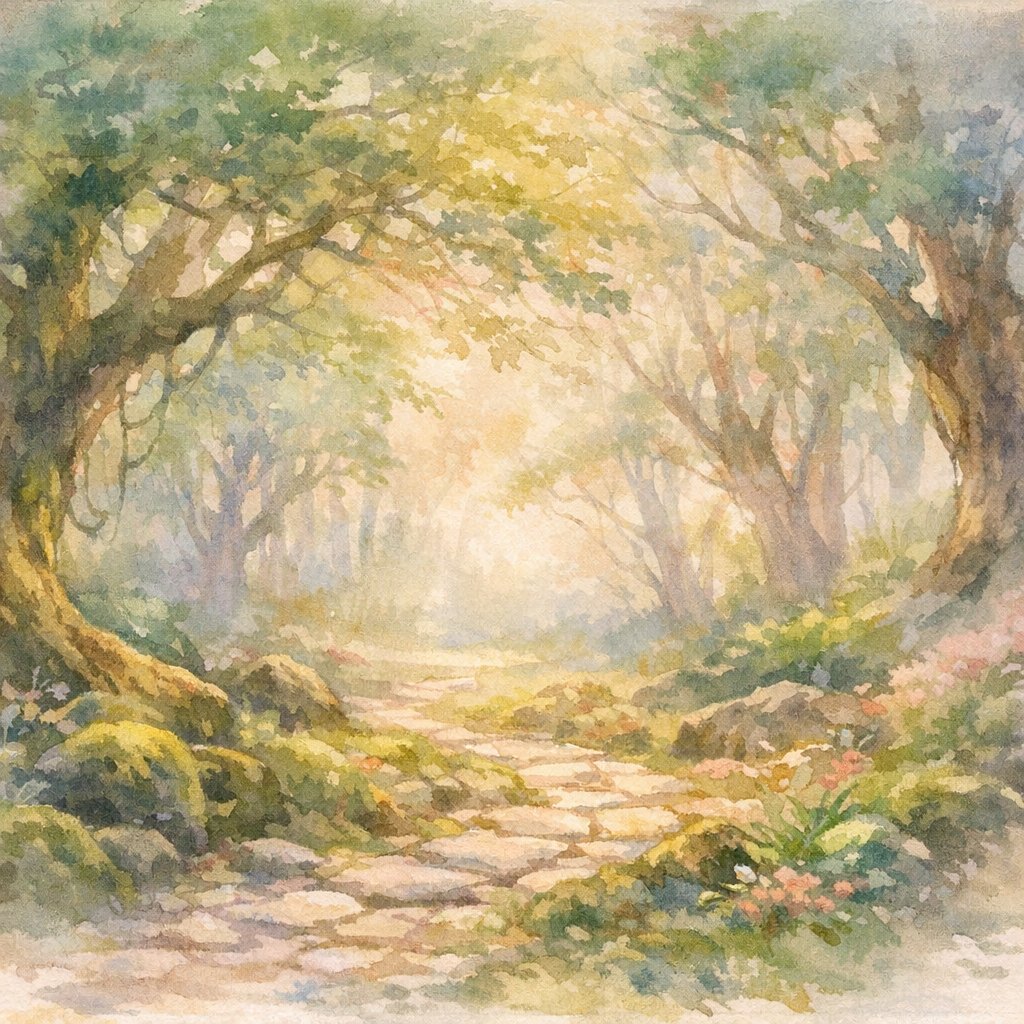
If your idea of a perfect Jeju day includes quiet walking paths, deep green trees, soft filtered sunlight, and a little bit of Korean pop-culture daydreaming, Bijarim Forest deserves a spot on your itinerary. Jeju Island is famous for dramatic coastlines, volcanic peaks, tangerine cafés, and beaches that look almost too blue to be real, but Bijarim has a completely different charm. It is calm, old, fragrant, and beautifully simple.
Located in the eastern part of Jeju Island, Bijarim Forest is one of Korea’s most beloved natural forests, home to thousands of nutmeg yew trees. Some of these trees are said to be hundreds of years old, and the moment you step inside, the mood changes. The road noise fades, the air turns cooler, and suddenly you are walking through a place that feels less like a tourist attraction and more like a quiet scene from a Korean drama.
I first visited Bijarim on a Jeju trip when I honestly just needed a break from busy sightseeing. I remember walking in without expecting too much, and within a few minutes I slowed down without even noticing it. The forest has that effect on you. You stop checking your phone, you breathe a little deeper, and you start paying attention to small things like moss on tree roots and the sound of gravel under your shoes.
Most travelers plan their Jeju route around places like Seongsan Ilchulbong, Hallasan Mountain, Hyeopjae Beach, Hamdeok Beach, or the waterfalls near Seogwipo. Those places are absolutely worth visiting, but they can also get crowded, especially during weekends and peak travel seasons. Bijarim Forest, on the other hand, gives you a slower and softer version of Jeju.
The forest is especially lovely if you enjoy nature but do not want a difficult hike. The main walking route is relatively easy, mostly flat, and manageable for families, couples, solo travelers, and older visitors. You do not need hiking gear or advanced fitness. Comfortable shoes and a little time are enough.
Quick overview: Bijarim Forest is best for travelers who want an easy nature walk, beautiful photo spots, a peaceful Jeju atmosphere, and a gentle break between busier attractions in eastern Jeju.
What makes the forest special is not one single dramatic viewpoint. It is the whole atmosphere. The trees grow close together, creating a natural canopy that softens the sunlight. The path curves gently, so each turn reveals a slightly different view. In spring and summer, everything feels lush and green. In autumn, the forest becomes quieter and moodier. Even in winter, when Jeju’s wind can be sharp near the coast, Bijarim still feels protected and peaceful.
The name Bijarim comes from “bija,” the Korean word for nutmeg yew. The forest is known for its large community of Torreya nucifera trees, a species loved for its dense evergreen leaves, graceful shape, and subtle natural fragrance. Walking among them feels different from walking through an ordinary park. There is a sense of age here, as if the forest has been quietly watching Jeju change for centuries.
Many visitors come for what Koreans often call a “healing walk.” This is not just a trendy phrase. The forest air really does feel clean and refreshing, and the scent of the trees gives the whole place a soothing quality. If you have been traveling around Seoul, Busan, or other busy cities before arriving in Jeju, Bijarim can feel like your body finally gets to exhale.
The path is well maintained, and signs help guide visitors through the main route. Depending on your pace and how often you stop for photos, you can usually complete the walk in about 40 to 60 minutes. If you are the kind of traveler who likes to pause, take pictures, read signs, and simply stand still for a while, give yourself at least 90 minutes. Bijarim is not a place to rush.
For fans of Korean dramas, variety shows, and K-Pop travel content, Jeju Island has a special kind of magic. So many Korean celebrities film travel programs, photo shoots, music-related content, and healing-style variety episodes on the island because Jeju offers scenery that feels cinematic without trying too hard. Forest roads, stone walls, quiet beaches, tangerine farms, and windy coastal paths all create that emotional Korean screen aesthetic fans love.
Bijarim Forest fits beautifully into that world. Even if you are not visiting a specific confirmed filming spot, the atmosphere feels instantly familiar if you have watched Korean dramas with quiet confession scenes, healing trips, emotional walks, or characters escaping the city to find themselves. It has that soft, reflective mood that Korean productions do so well.
For K-Pop fans visiting Jeju, Bijarim is also a wonderful place to take natural, album-concept-style photos. The tall trees, earthy paths, and green background create a look that feels close to the dreamy visual language often used in Korean music videos, seasonal greetings, and photobooks. Bring a simple outfit in neutral colors, and you will probably end up with some of your favorite photos from the trip.
Personal tip: I’ve seen visitors bring printed idol photo cards and take cute “traveling with my bias” pictures along the forest path. It sounds simple, but in a place like Bijarim, those photos come out surprisingly pretty. Just be mindful not to block the path, especially when other people are walking behind you.
If you want your visit to feel a little more like a Korean drama moment, timing matters. Early morning is the dreamiest time. The light is gentle, the forest is quieter, and you may hear birds more clearly. Late afternoon can also be beautiful, especially when the sunlight comes through the trees at an angle.
Here are a few simple ways to make the experience more memorable:
One realistic note: online fan guides sometimes mix up locations, especially when talking about Jeju forests, beaches, and drama scenes. Before planning your day around a specific filming claim, check recent fan posts, official tourism sources, or Korean map reviews. Even if a certain music video or drama was not filmed exactly inside Bijarim, the forest is still worth visiting for its atmosphere alone.
The main trail at Bijarim Forest is easy to follow and designed for a comfortable walk. The ground is mostly flat, though some parts may feel slightly uneven because of tree roots, stones, and natural surfaces. This is not a difficult hike, but it is still better to wear sneakers or walking shoes rather than sandals or delicate flats.
As you walk, you will notice that the forest does not overwhelm you with loud attractions. Instead, it invites you to notice details. The shape of an old trunk. The way tree branches overlap. The coolness of the shade. The quiet pockets where people naturally lower their voices. It is a very Korean kind of beauty: understated, calm, and deeply atmospheric.
Some of the most memorable spots in Bijarim are the old trees with powerful shapes and wide trunks. They make beautiful backdrops, but they also remind you that this forest has existed far longer than any travel trend. When taking photos, avoid touching fragile roots or stepping off marked paths. The forest is beautiful because it has been protected, and visitors play a big role in keeping it that way.
If you want natural-looking photos, try standing a little farther from the camera rather than posing right in front of the tree. This helps capture the scale of the forest. For phone photography, use portrait mode sparingly; sometimes the background blur removes the texture that makes Bijarim so charming. A wide shot with the path, trees, and soft light can look much more cinematic.
Korean travelers often talk about forest bathing, healing walks, and phytoncides when they visit places like Bijarim. Whether or not you are interested in the science behind it, the experience itself is very real. The air feels cooler and cleaner, especially compared with coastal tourist areas where cars and crowds are more noticeable.
When I visited, I made the mistake of trying to take photos immediately at every pretty corner. After about ten minutes, I put my phone away and just walked. That was honestly when the forest became memorable. My best advice is to take your photos early, then give yourself at least 15 minutes with your phone in your pocket. You will enjoy the place much more.
Seongsan Ilchulbong Peak, also known as Sunrise Peak, is one of Jeju’s most iconic landmarks and a UNESCO World Heritage site. It is a volcanic tuff cone rising dramatically near the sea, and it is especially famous for sunrise views. From Bijarim, it is usually reachable by car in around 20 to 30 minutes, depending on traffic and your exact route.
If you are physically comfortable with stairs, the climb to the top is worth it. The view over the crater and coastline is stunning. However, if you prefer a gentler schedule, you can still enjoy the area around Seongsan without climbing all the way up. There are cafés, seafood restaurants, coastal views, and photo spots nearby.
Woljeongri Beach is one of the prettiest beach areas in eastern Jeju, known for its bright blue water, white sand, wind turbines in the distance, and stylish cafés. It is a great contrast to Bijarim because the forest gives you shade and stillness, while Woljeongri gives you open sky, sea breeze, and café-hopping energy.
This area is especially popular with international travelers because it feels easy to enjoy even if you do not speak Korean. Many cafés have picture menus or simple English labels, and the whole neighborhood is very photo-friendly. If you are planning a relaxed Jeju day, Bijarim in the morning and Woljeongri in the afternoon is a lovely combination.
For travelers who want to understand Jeju beyond pretty scenery, the Jeju Haenyeo Museum is a meaningful stop. Haenyeo are Jeju’s legendary female divers, known for diving into the sea to gather seafood without modern breathing equipment. Their culture is one of the most important parts of Jeju’s identity.
The museum gives helpful context about the lives, tools, and community traditions of haenyeo. If you have watched Korean dramas or documentaries set in Jeju, learning about haenyeo culture makes the island feel richer and more human. It is also a good indoor option if the weather suddenly changes, which happens often on Jeju.
If you enjoy natural wonders, consider adding Manjanggul Lava Tube to your eastern Jeju itinerary. It is one of the most impressive lava tube caves in Korea and shows a completely different side of Jeju’s volcanic landscape. Before visiting, check whether it is open, as maintenance schedules can change.
The combination of Bijarim and Manjanggul is interesting because one shows Jeju’s living forest environment, while the other reveals its volcanic underground history. Together, they make the island feel ancient in two completely different ways.
After a quiet walk through Bijarim Forest, food tastes even better. Eastern Jeju has many local restaurants serving seafood, pork noodle soup, abalone dishes, grilled fish, and simple Korean meals. If you are new to Korean food or traveling with friends who have different spice preferences, this area has plenty of gentle, satisfying options.
Here are some good choices to look for near Bijarim, Seongsan, and the Gujwa area:
Myeongjin Jeonbok is one of the most famous abalone restaurants in eastern Jeju. Abalone porridge is warm, mild, savory, and easy to enjoy even if you are not used to strong Korean flavors. Grilled abalone is also popular, especially for seafood lovers. This place can get busy, so try to visit outside peak lunch hours if you want a calmer meal.
Gogi guksu, or Jeju pork noodle soup, is one of the island’s must-try comfort foods. The broth is usually rich but not spicy, and the noodles make it filling without being too heavy. Instead of looking for one exact restaurant name, search “gogi guksu” on Naver Map or Kakao Map near your route. Local noodle shops often have simple menus, quick service, and generous portions.
The Seongsan area has many seafood restaurants serving grilled fish, seafood stew, abalone, sea urchin soup, and raw seafood platters. If you are not comfortable with raw seafood, grilled mackerel or grilled cutlassfish is usually a safe and delicious choice. The flavors are clean, salty, and satisfying after a long walk.
For dessert or coffee, head toward Woljeongri Beach. The beach is lined with cafés offering Jeju citrus drinks, hallabong ade, carrot cake, pastries, and ocean views. This is a great place to rest after visiting Bijarim, especially if you want that classic Jeju café photo with a blue sea background.
Many restaurants in Jeju are used to tourists, but English ability varies. Do not let that stress you out. Translation apps work well, and many menus have photos. If you have dietary restrictions, prepare a short Korean phrase in advance and show it to the staff. For example, if you do not eat pork, seafood, or spicy food, it is much easier to show a translated message than to explain it on the spot.
Bijarim Forest is located in eastern Jeju, making it ideal to combine with Seongsan Ilchulbong, Woljeongri Beach, the Jeju Haenyeo Museum, or Manjanggul Lava Tube. Renting a car is the easiest way to explore Jeju, especially if you want to visit several places in one day. Roads are generally well maintained, and parking is available near major attractions.
If you do not drive, buses are available, but travel times can be longer and schedules may require patience. Always check current routes on Naver Map, Kakao Map, or your preferred transit app before leaving. Jeju buses are useful, but they are not always as frequent as buses in Seoul.
Travel tip: If you are using public transportation, plan fewer stops in one day. Bijarim plus one nearby attraction and one meal stop is much more realistic than trying to cover all of eastern Jeju by bus.
Bijarim Forest usually operates during daytime hours, with last admission before closing. Entrance fees are generally affordable, making it one of the best-value nature experiences in Jeju. However, hours and fees can change due to weather, maintenance, public holidays, or local policy, so check the latest information before your visit.
Jeju weather can be unpredictable. If there is heavy rain, strong wind, or a storm warning, outdoor attractions may close or become uncomfortable to visit. Light rain can make the forest look beautiful and misty, but bring proper shoes and a waterproof jacket if the forecast looks uncertain.
The best time to visit Bijarim Forest is in the morning, especially if you want fewer people and softer light. Weekdays are usually quieter than weekends. Spring and autumn are especially pleasant, but summer has the advantage of deep greenery and cool shade. Winter is peaceful and less crowded, though the overall mood is more subdued.
My favorite time is still early morning. I went close to opening time, and the forest felt almost private for a little while. If you are the type who loves quiet travel moments, set your alarm a bit earlier. It is absolutely worth it.
You do not need much for Bijarim, but a few small items will make your visit more comfortable.
One thing I learned the hard way is that Jeju days often become longer than planned. You visit one forest, then a beach, then a café, then suddenly you are chasing sunset on the coast. Pack water and a small snack even if you think you will only be out for a short time.
If you want a well-balanced day that does not feel rushed, this itinerary works beautifully for first-time visitors:
This route gives you forest, culture, food, beach, and iconic Jeju scenery in one day. It is also flexible. If you feel tired after lunch, skip one attraction and spend more time at a café. Jeju is best enjoyed slowly, not like a checklist.
Yes, Bijarim Forest is absolutely worth visiting, especially if you enjoy quiet nature, easy walking trails, and scenic places with a Korean drama-like atmosphere. It may not be the loudest or most dramatic attraction in Jeju, but that is exactly why it stays with you. It gives you space to slow down, breathe deeply, and enjoy the softer side of the island.
For K-Pop fans, it is a beautiful location for themed travel photos and peaceful reflection between busier stops. For K-drama lovers, it offers the kind of emotional, cinematic scenery that feels instantly familiar. And for travelers who simply want a break from crowds, Bijarim is one of eastern Jeju’s most comforting places.
If you go, do not rush through it. Let the forest set the pace. Take a few photos, put your phone away for a while, and listen to the quiet. Some places in Korea are exciting because they are famous, but Bijarim is special because it feels personal. It is the kind of place you remember not because something huge happened there, but because for a little while, everything felt calm.
댓글
댓글 쓰기