A Seoul Museum Day That Doesn’t Feel Boring: National Museum of Korea, K-Drama Spots, K-Pop Stops, and Great Food Nearby
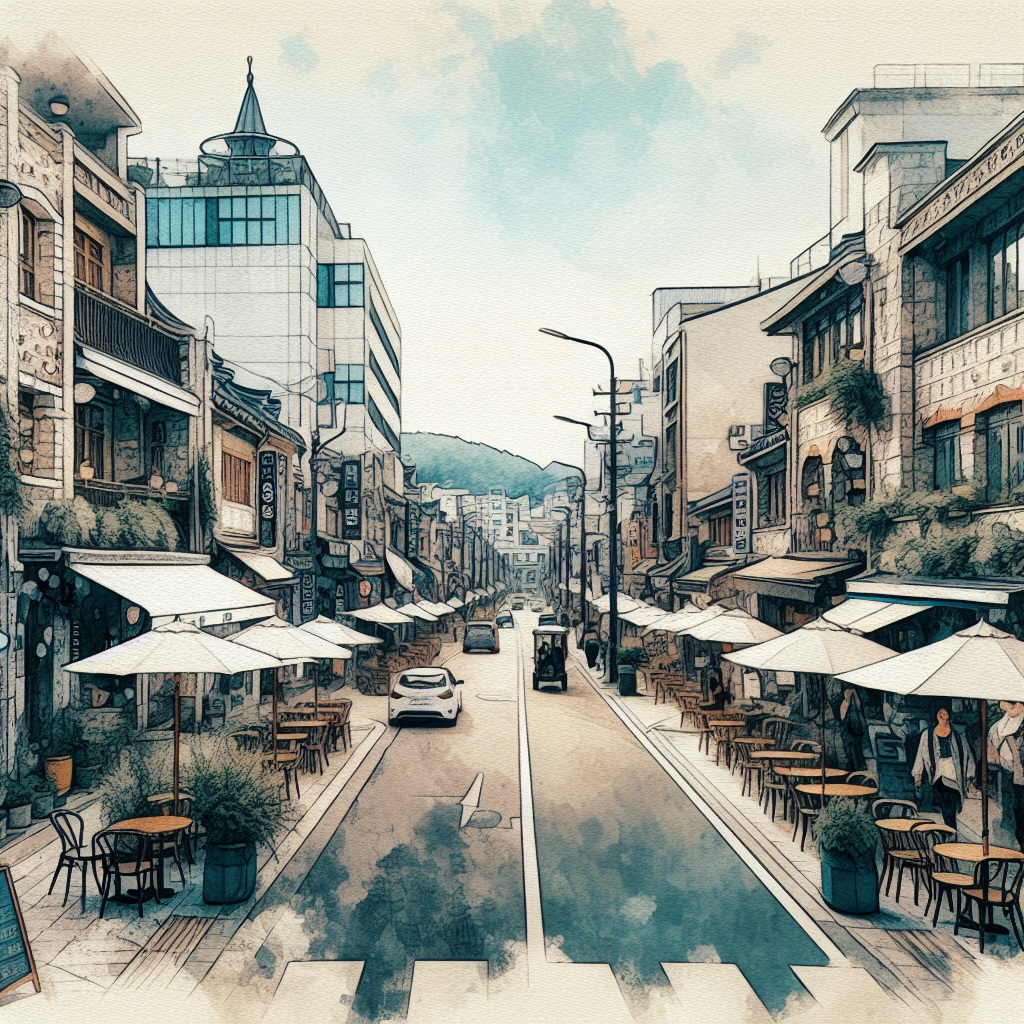
Seoul is famous for neon nights in Hongdae, shopping streets in Myeongdong, palace walks in Jongno, and the K-Pop energy of Gangnam. But if you want a place that feels calm, beautiful, easy to visit, and genuinely meaningful, make room in your itinerary for the National Museum of Korea in Yongsan.
And no, this is not the kind of museum where you politely stare at old objects and secretly count the minutes until lunch. The National Museum of Korea in Seoul is spacious, modern, beautifully designed, and surprisingly relaxing. It tells Korea’s story from prehistoric tools and royal treasures to Buddhist sculptures, calligraphy, ceramics, and traditional art. Even if you are mainly visiting Korea for K-Pop, K-Dramas, cafés, shopping, and food, this museum gives you the cultural background that makes the rest of your trip feel richer.
I’ll be honest: the first time I visited, I thought I would stay for maybe an hour and then move on to a K-Pop-related stop in Yongsan. But I ended up lingering in the sculpture gallery way longer than planned because the atmosphere was so peaceful. If you ask me, the best way to enjoy this place is not to rush it—grab a coffee, walk slowly, and let yourself enjoy the quiet side of Seoul for a few hours.
Quick summary: The National Museum of Korea is one of the best free attractions in Seoul, especially for first-time visitors who want history, beautiful architecture, photo spots, easy transportation, nearby K-Drama-style scenery, and great food around Yongsan and Ichon.
Why the National Museum of Korea Belongs on Your Seoul Itinerary
The National Museum of Korea is the largest museum in Korea and one of the most impressive cultural spaces in Asia. Located in Yongsan-gu, right next to Yongsan Family Park and close to Ichon Station, it is easy to reach by subway, taxi, or bus. The building itself feels grand without being intimidating, with wide open halls, tall windows, clean lines, and a lovely view toward Namsan and the surrounding city.
What makes this museum especially great for foreign travelers is that it is both educational and comfortable. You do not need deep knowledge of Korean history to enjoy it. Major exhibits include English descriptions, the layout is simple to follow, and the galleries are arranged in a way that makes Korea’s long history feel easier to understand.
- Free admission to permanent exhibitions: The main galleries are free, which makes this one of the best budget-friendly things to do in Seoul.
- Excellent for rainy days or extreme weather: Seoul can be brutally hot in summer and freezing in winter. This museum is a comfortable indoor escape.
- Beautiful architecture and photo spots: The museum’s open plaza, reflecting pond, garden, and stone pagodas are wonderful for photos.
- Foreigner-friendly experience: English signage is available for major pieces, and audio guides or mobile guide services are helpful for deeper context.
- Easy to combine with other Seoul attractions: You can visit the museum, walk around Yongsan Family Park, stop by the National Hangeul Museum, and enjoy dinner in Ichon, Samgakji, or Itaewon.
If your Seoul trip is packed with palaces, shopping, and K-Pop stops, the National Museum of Korea adds balance. It gives you a quieter moment to understand the country behind the pop culture—the royal court aesthetics you see in historical K-Dramas, the calligraphy and ceramics behind traditional design, and the Buddhist art that shaped so much of Korea’s visual culture.
What to See Inside the National Museum of Korea
The museum is big enough that you could spend half a day here without seeing everything. If you are short on time, do not try to “complete” the whole building like a checklist. Instead, focus on the galleries that match your interests. History lovers, art fans, K-Drama viewers, and curious first-time visitors will all find different corners to love.
1. Prehistory and Ancient History Gallery
This is a great place to begin because it gives you the earliest chapters of Korean history. You will see stone tools, pottery, bronze artifacts, and objects from ancient kingdoms such as Goguryeo, Baekje, and Silla. The transition from simple everyday tools to refined gold ornaments and ceremonial pieces is fascinating.
The Silla gold artifacts are especially memorable. Silla is often associated with dazzling gold crowns, jewelry, and delicate metalwork, and seeing these pieces up close helps you understand why ancient Korea had such a strong reputation for craftsmanship. The designs are detailed but not overly flashy, and they photograph beautifully even through glass.
2. Medieval and Early Modern History Gallery
If you enjoy historical K-Dramas set during the Goryeo or Joseon periods, this section will probably be one of your favorites. You can see objects connected to government, scholarship, printing, daily life, and royal culture. These are the kinds of real historical items that help you picture the world behind dramas like The Red Sleeve, Mr. Sunshine, Kingdom, and Under the Queen’s Umbrella.
Look for Goryeo celadon, one of Korea’s most famous artistic achievements. The soft jade-green color is even prettier in person than in photos. Joseon-era objects also reveal a different beauty—more restrained, elegant, and practical. If Goryeo art feels delicate and luxurious, Joseon design often feels calm, scholarly, and deeply refined.
3. Sculpture and Crafts Gallery
This is the part of the museum I always recommend to people who say they are “not really museum people.” The Sculpture and Crafts Gallery has a quiet, almost meditative feeling. The Buddhist statues, stone works, metal crafts, and large pagoda pieces create an atmosphere that feels far away from the busy streets of Seoul.
One of the most striking highlights is the Ten-Story Stone Pagoda from Gyeongcheonsa Temple Site. It is massive, detailed, and beautifully displayed indoors. Give yourself a few minutes here instead of just taking one photo and leaving. The carvings are worth looking at slowly.
4. Calligraphy and Painting Gallery
This section is easy to overlook, but it is one of the most peaceful areas in the museum. Korean calligraphy, ink paintings, folding screens, and traditional paintings reveal a softer side of Korean aesthetics. If you are interested in Korean dramas, you may recognize the mood of these artworks from palace scenes, scholar rooms, and traditional houses shown on screen.
The beauty here is subtle. It is not loud or instantly dramatic, but once you slow down, the brush lines, empty spaces, and natural themes become incredibly calming. This is also a good area to visit when the museum feels crowded because people tend to move through it more quietly.
K-Drama and K-Pop Stops Near the National Museum of Korea
One of the best things about visiting the National Museum of Korea is its location. Yongsan sits in the middle of Seoul, so it is easy to pair your museum visit with modern pop culture stops, riverside views, or K-Drama-style walking routes. Even if the museum itself is focused on history and art, the surrounding area connects beautifully with today’s Seoul.
Yongsan Family Park: A Calm, K-Drama-Like Walk Beside the Museum
Right next to the museum is Yongsan Family Park, a peaceful green space with walking paths, trees, open lawns, and quiet corners. It has that soft Seoul park atmosphere you often see in romantic K-Dramas: couples walking slowly, friends taking photos, families picnicking, and people just enjoying a slower afternoon.
Whether or not you are chasing a specific filming location, this park is worth a visit after the museum. It is especially pretty in spring and autumn, but even in winter, it has a simple charm. If you need a break after walking through the galleries, come here before heading to dinner.
National Hangeul Museum: Perfect for Language Lovers and Design Fans
Just beside the National Museum of Korea, you will find the National Hangeul Museum, dedicated to the Korean alphabet. If you are learning Korean because of K-Pop lyrics, K-Dramas, or Korean variety shows, this small museum is a lovely add-on.
Hangeul is one of Korea’s greatest cultural achievements, and this museum explains why it is so unique. The building is modern and photogenic, the exhibits are manageable, and it helps you appreciate the writing system you see everywhere in Seoul—from subway signs and café menus to idol slogans and drama posters.
HYBE Area in Yongsan: For BTS, SEVENTEEN, TXT, ENHYPEN, and LE SSERAFIM Fans
K-Pop fans will be happy to know that Yongsan is closely associated with HYBE, the company connected to artists such as BTS, SEVENTEEN, TXT, ENHYPEN, NewJeans, and LE SSERAFIM. The HYBE headquarters area is not far from the museum by taxi or subway, making it possible to combine a cultural morning with a K-Pop-themed afternoon.
Before you go, check the latest official information because exhibitions, pop-ups, and fan-related spaces can change. Even if you only visit the area from outside, many fans enjoy stopping nearby, taking respectful photos from public areas, and grabbing coffee around Yongsan or Samgakji afterward.
Han River Near Ichon: Sunset Views That Feel Straight Out of a Drama
From the museum area, you can head toward Ichon Hangang Park for Han River views. This is a lovely option if you visit the museum in the afternoon and want to end the day with sunset. Seoul’s riverside parks often appear in K-Dramas and music videos because they capture the city’s everyday romance so well.
Bring a drink, sit by the river, and watch the skyline change color. It is simple, free, and very Seoul. If you have been running around tourist spots all day, this kind of quiet riverside moment can become one of your favorite memories.
Best Food Near the National Museum of Korea
After a few hours of walking through galleries, you will definitely want a good meal. Luckily, the area around the National Museum of Korea gives you several choices, from easy museum cafés to local Korean restaurants and foreigner-friendly dining districts nearby.
1. Museum Cafés and Restaurants: Easy, Convenient, and Surprisingly Pleasant
If you do not want to leave the museum grounds, start with the museum’s own café and dining options. They are convenient, clean, and ideal if you are traveling with kids, older family members, or anyone who needs a relaxed break. You can usually find coffee, desserts, light meals, and Korean-style dishes depending on the venue and season.
This is also a good choice if the weather is bad. On a rainy or freezing day, staying inside the museum complex feels much better than searching outside while hungry. I personally like taking a coffee break here before visiting the outdoor garden because it gives the whole museum day a slower, nicer rhythm.
2. Ichon-dong: Local Restaurants Close to the Museum
Ichon-dong, the neighborhood around Ichon Station, has a calm residential feel and many local restaurants. You can find Korean food, Japanese-style restaurants, bakeries, cafés, and casual spots that are easier to approach than some busier tourist districts.
If you want Korean barbecue, look for restaurants serving galbi, samgyeopsal, or bulgogi. Many places in Seoul now offer picture menus or tablet ordering, but it is still smart to use a translation app just in case. For a simple and satisfying meal, bibimbap, cold noodles, dumpling soup, and grilled meat sets are usually safe choices for first-time visitors.
3. Samgakji and Yongsan: Trendy Korean Dining and Cafés
A short taxi or subway ride away, Samgakji and Yongsan have become popular with younger Koreans for restaurants, cafés, wine bars, and casual dinner spots. This area works especially well if you plan to continue your day toward HYBE, Yongsan Station, or Itaewon.
For visitors who want something more local than Myeongdong but still easy to reach, Samgakji is a great choice. You can find grilled meat, spicy stews, noodle shops, modern Korean dining, and stylish cafés hidden along smaller streets. It is a nice area to wander when you are hungry but not in the mood for a huge tourist crowd.
4. Itaewon: The Easiest Option for International Travelers
If you are traveling with friends who all want different things, Itaewon is a practical choice after the museum. It is not far from Yongsan and is one of Seoul’s most international neighborhoods. You can find Korean barbecue, halal food, vegan-friendly restaurants, burgers, Mexican food, Middle Eastern cuisine, cafés, bakeries, and bars.
Itaewon is especially helpful if someone in your group has dietary restrictions. English menus are more common here than in many other areas, and staff are often used to foreign customers. After a quiet museum day, Itaewon also gives you a completely different side of Seoul—more global, lively, and nightlife-friendly.
Personal tip: I usually avoid planning a huge meal immediately before the museum because there is a lot of walking inside. A light lunch or coffee first, then a proper dinner in Ichon, Samgakji, or Itaewon afterward feels much better. Also, wear comfortable shoes—this museum looks calm, but your step count will quietly climb.
A Perfect Half-Day Itinerary Around the National Museum of Korea
If you want an easy route that does not feel rushed, try this half-day plan. It works well for first-time visitors, couples, solo travelers, and anyone who wants a mix of culture, photos, food, and pop culture.
- 10:00 AM: Arrive at Ichon Station and walk to the National Museum of Korea.
- 10:15 AM – 12:30 PM: Visit the main galleries, focusing on ancient history, ceramics, sculpture, and calligraphy.
- 12:30 PM – 1:15 PM: Have lunch or coffee inside the museum complex.
- 1:15 PM – 2:00 PM: Walk through the outdoor garden and take photos near the pond and stone pagodas.
- 2:00 PM – 2:45 PM: Visit the National Hangeul Museum next door.
- 3:00 PM – 4:00 PM: Relax at Yongsan Family Park or head toward Ichon Hangang Park for riverside views.
- Evening: Choose dinner in Ichon, Samgakji, Yongsan, or Itaewon. K-Pop fans can also continue toward the HYBE area if it fits their plan.
If you prefer a slower pace, skip the extra stops and spend more time inside the museum. There is no shame in doing less. In fact, the museum is best when you are not rushing from gallery to gallery with a packed schedule waiting outside.
Practical Tips Before You Visit
The National Museum of Korea is easy to visit, but a few small tips can make your day much smoother.
- Go on a weekday morning if possible: Weekends and holidays can get busy, especially with families and school groups. Weekday mornings feel much calmer.
- Check the official website: Opening hours, special exhibitions, and closure days can change, so confirm details before you go.
- Use lockers if you have bags: The museum is large, and walking around with heavy shopping bags or luggage will get tiring fast.
- Do not skip the outdoor garden: The garden has traditional stone works, peaceful paths, and lovely photo spots.
- Bring headphones: If you use an audio guide or museum app, headphones make the experience much more comfortable.
- Plan at least two to three hours: One hour is too short unless you only want a quick look. Three hours feels much more satisfying.
- Wear comfortable shoes: The galleries are spacious, and you will walk more than you expect.
One little thing I learned after multiple visits: do not treat the museum like a checklist. Pick a few sections, enjoy them properly, and leave some areas for next time. Seoul has a way of pulling you back anyway, so you do not need to see everything in one exhausting afternoon.
How to Get to the National Museum of Korea
The museum is very convenient by public transportation. For most travelers, the subway is the easiest option.
- By subway: Take Seoul Subway Line 4 or the Gyeongui-Jungang Line to Ichon Station. Use the exit connected toward the museum and follow the signs. The walk is short and simple.
- By taxi: Show the driver 국립중앙박물관, which means National Museum of Korea in Korean. From central areas like Myeongdong, Seoul Station, or Itaewon, the ride is usually convenient depending on traffic.
- By bus: Several city buses stop near the museum. If you are using Naver Map or KakaoMap, search for National Museum of Korea or 국립중앙박물관 for the most accurate route.
If this is your first trip to Seoul, I recommend using Naver Map or KakaoMap rather than relying only on Google Maps for public transportation. These local apps are usually much better for subway exits, walking routes, and bus information in Korea.
Is the National Museum of Korea Worth Visiting?
Absolutely. The National Museum of Korea is one of those Seoul attractions that quietly exceeds expectations. It is free, beautiful, easy to access, and full of objects that help you understand Korea beyond the surface-level tourist experience.
If you love K-Dramas, you will enjoy seeing the real historical background behind royal courts, scholars, ceramics, Buddhist temples, and traditional art. If you are a K-Pop fan, visiting this museum before exploring modern Yongsan adds a meaningful contrast between Korea’s past and present. And if you are simply looking for a peaceful, high-quality Seoul experience that does not require shopping or spending much money, this is one of the best places you can choose.
The museum gives you a different kind of memory from Seoul. Not loud, not flashy, not rushed—just beautiful, spacious, and quietly powerful. Add it to your itinerary, give it enough time, and let yourself enjoy a slower side of the city. You may walk in expecting “just a museum,” but there is a good chance you will leave feeling like you understand Korea a little more deeply.
댓글
댓글 쓰기